
Disclosure: As an Amazon Associate, Bookish Wisdom earns from qualifying purchases. This doesn't change our picks or your price.
Quick answer: To write a book about someone you love, decide what kind of book it will be, such as a memoir, a biography, a picture book gift or a collection of letters, then gather stories, photos and memories, interview people who know them, outline the key moments, and write honestly and warmly. Many people print a small number of copies for family through a print-on-demand service.
Table of Contents
Key Facts
| Item | Detail |
|---|---|
| Common formats | Memoir, family biography, gift book, letters |
| Best sources | Interviews, photos, letters and your own memories |
| Typical length | From a few pages to a full book |
| Publishing options | Print-on-demand, photo books or self-publishing |
| Key tip | Focus on specific stories, not general praise |
How to Write a Book About Someone You Love
1. Choose the purpose
Decide whether the book is a gift, a tribute, a family history or something to share publicly. The purpose shapes length and tone.
2. Collect memories
Write down stories, favorite sayings, habits and important moments. Ask family and friends for their memories too.
3. Gather materials
Photos, letters, recipes and documents bring the book to life and help confirm dates.
4. Outline the story
Organize events by time or theme, such as childhood, work, family and lessons learned.
5. Write specific scenes
Instead of saying someone was kind, describe a moment when they showed kindness. Specific details make people come alive on the page.
6. Share drafts with care
Let family members read the draft, especially for sensitive topics, before printing or publishing.
Mistakes When Writing About a Loved One
- Writing only praise. Honest, specific stories feel more real.
- Leaving out your own voice. Your relationship is part of the story.
- Ignoring privacy. Be thoughtful about personal details.
- Trying to include everything. Choose the most meaningful stories.
- Waiting too long. Record memories while people can share them.
Building a Writing Habit That Lasts
Most books are finished by people who write regularly, not by people who wait for inspiration. Pick a time you can protect, even if it is only twenty minutes, and treat it like an appointment. Keep a running document of ideas so you never start from a blank page. Set a small, measurable goal, such as three hundred words a session, and track it. When you get stuck, skip ahead to a scene or section you are excited about and come back later. Finally, separate drafting from editing: write the rough version first, and fix it afterward, because trying to do both at once slows most writers down.
It also helps to know who the book is for. Write a one-sentence description of your reader and keep it beside your desk. Every time you are unsure about a scene, a word or a chapter, ask whether it serves that reader. This simple check keeps a draft focused and makes later editing much easier.
Finally, ask for feedback early. A trusted reader, writing group or teacher can spot problems you are too close to see, and fixing them in an early draft is much easier than in a finished one.
Keep every draft. Saving old versions lets you experiment freely, because you can always go back if a change does not work.
Most importantly, enjoy the process. Writing a book is a long project, and the writers who finish are usually the ones who find something to love in the daily work.
Reading widely in the form you are writing is one of the best teachers. Notice how other writers open, structure and end their work, and borrow techniques that suit your own voice.
Helpful Books and Resources
-
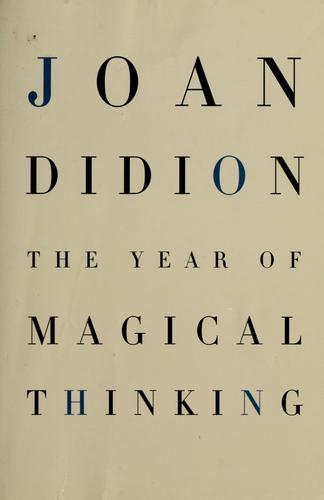
The Year of Magical Thinking by Joan Didion
- Writing Down Your Memories by Jerry Payne
-
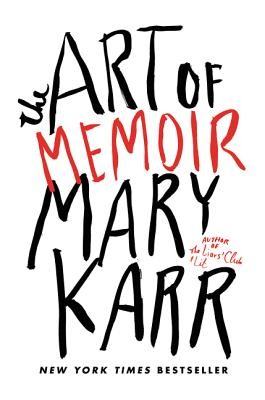
The Art of Memoir by Mary Karr
Related: The Year of Magical Thinking by Joan Didion: Summary and Key Takeaways · How to Write a Book Review
Frequently Asked Questions
How do I start a book about a loved one?
Write down your favorite memory of them.
Can I make a book as a gift?
Yes. Many people print a few copies for family.
Should I interview family members?
Yes. They add stories and details.
How long should it be?
As long as it needs to be, from a short gift book to a full memoir.
Can I include photos?
Yes. Photos make the book personal.
Do I need permission?
Ask before sharing private details publicly.
What if the person has passed away?
A tribute book can be a meaningful way to grieve and remember.
What books can inspire me?
The Year of Magical Thinking by Joan Didion and H Is for Hawk by Helen Macdonald.