
Disclosure: As an Amazon Associate, Bookish Wisdom earns from qualifying purchases. This doesn't change our picks or your price.
Quick answer: A book blurb that sells introduces the main character, shows what they want, reveals the problem standing in their way and hints at the stakes, all in about 150 to 200 words. Start with a strong hook, use vivid but simple language, match the tone of your genre and end with a question or cliffhanger that makes readers want to open the book.
Table of Contents
Key Facts
| Item | Detail |
|---|---|
| Typical length | 150-200 words |
| Core elements | Character, goal, conflict, stakes |
| Opening | A strong hook line |
| Ending | A question or cliffhanger |
| Where it appears | Back cover and online store pages |
How to Write a Blurb That Sells
1. Start with a hook
Open with a short, intriguing line that captures the book's premise or mood, such as a surprising situation or question.
2. Introduce the main character
Name the character and give one or two details that make them interesting.
3. Show the goal and conflict
Explain what the character wants and what stands in the way. Conflict is what sells a story.
4. Raise the stakes
Make clear what will be lost if the character fails.
5. Match your genre
Thrillers need tension, romances need chemistry, and fantasy needs a sense of wonder.
6. End with a pull
Finish with a question, cliffhanger or promise that makes readers want to start reading.
Mistakes That Weaken Blurbs
- Summarizing the whole plot. A blurb teases, it does not explain.
- Too many names. Stick to one or two characters.
- Vague words. Specific details are more compelling.
- Spoiling the ending. Never reveal the twist.
- Ignoring keywords. For online stores, include words readers search for.
Building a Writing Habit That Lasts
Most books are finished by people who write regularly, not by people who wait for inspiration. Pick a time you can protect, even if it is only twenty minutes, and treat it like an appointment. Keep a running document of ideas so you never start from a blank page. Set a small, measurable goal, such as three hundred words a session, and track it. When you get stuck, skip ahead to a scene or section you are excited about and come back later. Finally, separate drafting from editing: write the rough version first, and fix it afterward, because trying to do both at once slows most writers down.
It also helps to know who the book is for. Write a one-sentence description of your reader and keep it beside your desk. Every time you are unsure about a scene, a word or a chapter, ask whether it serves that reader. This simple check keeps a draft focused and makes later editing much easier.
Finally, ask for feedback early. A trusted reader, writing group or teacher can spot problems you are too close to see, and fixing them in an early draft is much easier than in a finished one.
Keep every draft. Saving old versions lets you experiment freely, because you can always go back if a change does not work.
Most importantly, enjoy the process. Writing a book is a long project, and the writers who finish are usually the ones who find something to love in the daily work.
Reading widely in the form you are writing is one of the best teachers. Notice how other writers open, structure and end their work, and borrow techniques that suit your own voice.
Helpful Books and Resources
-
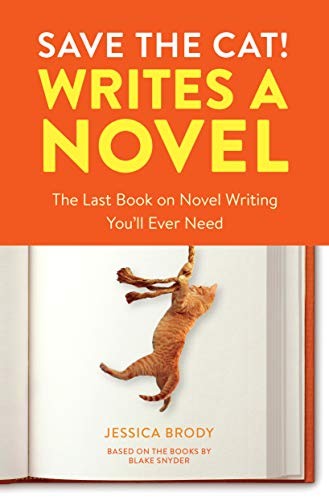
Save the Cat! Writes a Novel by Jessica Brody
-
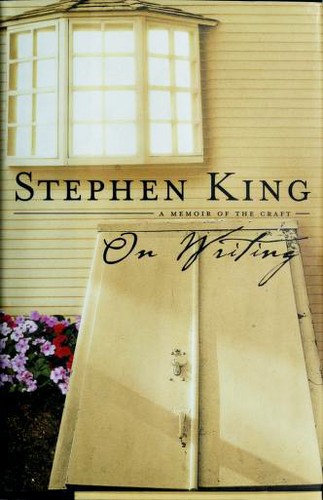
On Writing by Stephen King
-
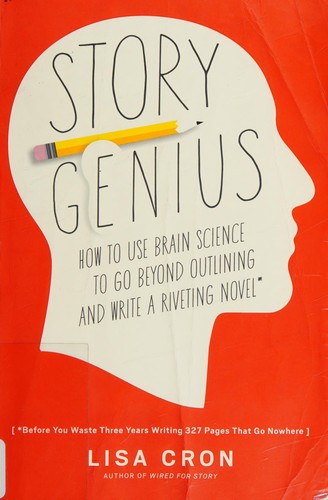
Story Genius by Lisa Cron
Related: On Writing by Stephen King: Summary and Key Takeaways · How to Write a Book Review
Frequently Asked Questions
How long should a book blurb be?
About 150 to 200 words.
What should a blurb include?
Character, goal, conflict and stakes.
Should a blurb be in first person?
Usually third person, though some genres use first person.
Can I include reviews?
Short review quotes can help above the blurb.
What is a tagline?
A single short line that sums up the book's hook.
How do I test a blurb?
Ask readers in your genre which version makes them want to read.
Should nonfiction blurbs be different?
Yes. They focus on the problem solved and benefits.
What books can help?
Save the Cat! Writes a Novel covers story hooks.
Where do readers see the blurb?
On the back cover, inside flap and online store pages.
Should I mention comparable books?
Lines like perfect for fans of a famous book can help readers decide.
How often should I update my blurb?
Test new versions if sales are slow.
Can I use humor in a blurb?
Yes, if it fits the book.