
Disclosure: As an Amazon Associate, Bookish Wisdom earns from qualifying purchases. This doesn’t change our picks or your price.
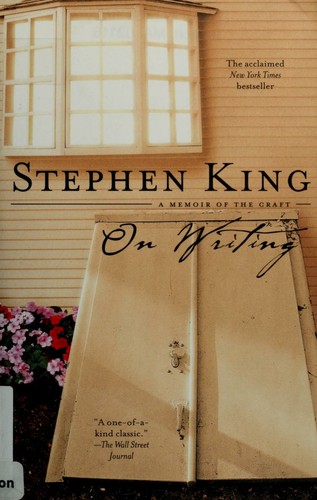
TL;DR: On Writing: A Memoir of the Craft by Stephen King combines a short autobiography with practical writing advice. King argues that good writing comes from reading a lot, writing a lot, telling the truth, using simple words and revising with a cool head. He shares his toolbox, his habits and the story of how he returned to writing after a near-fatal accident.
Stephen King has written dozens of bestselling novels, including Carrie, The Shining and It, and he is among the most widely read authors in the world. In 2000 he published On Writing, part memoir and part guide, in which he explains how he works. The book is frank, funny and full of opinions. It has become a staple for aspiring writers of every genre, not only horror. Here’s a summary of its main ideas. Content note: the memoir mentions addiction and a serious accident.
Table of Contents
On Writing at a Glance
| Detail | Info |
|---|---|
| Author | Stephen King |
| Published | 2000 |
| Genre | Writing guide, memoir |
| Core idea | Read a lot, write a lot and tell the truth in plain language |
| Structure | A memoir (C.V.), the writing toolbox, the main advice and a postscript on his accident |
| Best for | Aspiring writers, fiction readers and fans of King |
What Is On Writing About?
King opens with a section he calls C.V., short, vivid scenes from his childhood and early career. He recalls the books and comics he loved, his first stories, rejection slips pinned on a nail and the support of his mother and his wife Tabitha. He also discusses his struggle with alcohol and drug addiction, which he says nearly destroyed his work and family.
The memoir is not just background. It shows how writing became a lifelong habit and a way of coping, and it supports his message that persistence matters.
Key Ideas, Part by Part
The Toolbox
King uses the image of a toolbox for the basics of writing. On top is vocabulary: use the first word that comes to mind, if it is appropriate and colorful, and don’t be embarrassed by simple words. Next is grammar, which he treats as essential. He recommends keeping sentences clean and avoiding the passive voice, which can sound timid. His famous line says that the road to hell is paved with adverbs, meaning that overusing words like quickly or angrily weakens prose.
He also recommends The Elements of Style by Strunk and White. He advises paragraphs that are short and flowing, and he says that good description is selective, giving readers a few vivid details so they can imagine the rest.
On Writing: Reading, Habits and Drafting
King says that the most important advice is to read a lot and write a lot. He reads every day, often carrying a book wherever he goes, and writes every day, around two thousand words, taking only a few days off a year. He suggests finding a quiet place, with a door that can be closed and distractions like television removed.
His process includes writing the first draft with the door closed, as fast as possible, and without worrying about readers. After a rest, he opens the door, sharing the draft with a few trusted readers and revising. He recommends that the second draft should be the first draft minus ten percent, a rule he picked up from an editor’s note.
Story, Character and Honesty
King believes that stories are found, like fossils, and that the writer’s job is to dig them out with minimal damage. He prefers to begin with a situation, such as what if a woman held a writer captive, and let the characters guide the plot, instead of outlining everything. He treats plot as a trap that can limit a story.
He also stresses honesty. Write the truth about people and feelings, even when it is uncomfortable. He gives advice on dialogue, saying that characters should speak the way people do, and warns against showing off. Theme, he adds, tends to emerge on its own during revision.
On Living and Writing
The final section describes King’s accident in 1999, when a van struck him while he was walking along a road in Maine. He suffered severe injuries and a long recovery. He writes about the pain of getting back to work, and how writing again helped him heal.
He ends the book with a list of recommended reads and reminders that writing is about getting happy, not about money or fame. Its message is that writing, like life, is about showing up and doing the work.
6 Key Takeaways From On Writing
- Read a lot, write a lot. There’s no substitute for practice.
- Use simple words. Don’t try to sound grand.
- Beware adverbs and the passive voice. Strong verbs carry meaning.
- Write the first draft with the door closed. Get it down before judging.
- Cut ten percent. Revision should tighten.
- Tell the truth. Honest writing connects with readers.
Ideas Worth Remembering
- Talent is common; disciplined work is rarer. (paraphrased)
- Write for one ideal reader. (paraphrased)
- Don’t wait for inspiration; keep a routine. (paraphrased)
- Good stories discover themselves as you write. (paraphrased)
How to Apply On Writing in Real Life
- Set a daily word count. Pick a realistic number and stick to it.
- Create a writing space. Choose a place with few distractions.
- Read widely. Carry a book and read in spare moments.
- Revise with a cool head. Rest the draft, then cut ten percent.
- Find an ideal reader. Imagine who you are writing for.
Criticisms and Limits
Critics say that On Writing reflects one writer’s habits, and that his rules, such as avoiding adverbs entirely, are overly strict, and he himself sometimes breaks them. The advice on plotting by discovery does not suit everyone, and the book gives little on the business of publishing. Some find the memoir part more interesting than the craft part, or vice versa.
Still, its honest tone and sense of humor have made it a classic. Use it as inspiration and take what fits your style.
On Writing in One Minute
Read a lot and write a lot. Keep a toolbox of plain words and solid grammar, avoid adverbs and passive voice and write the first draft quickly with the door closed. Then revise, cutting about ten percent, and tell the truth about people and feelings. Show up daily and write for the joy of it.
King’s Daily Routine
King says he writes in the morning, aiming for about two thousand words, then spends the afternoon on naps, reading, letters and revising. He keeps a similar schedule each day so that his mind knows when it is time to work. Consistency, not inspiration, is his tool. You can adapt the idea by choosing a time that suits you and treating it as an appointment.
What About Outlines?
Unlike many authors, King does not outline. He starts with a situation and lets the story grow, trusting that characters will lead him. Other writers prefer outlines, and both methods work. If you find yourself stuck without a plan, try writing a rough outline; if outlines kill your enthusiasm, try writing to discover. The key is to find the method that keeps you writing.
Beyond Horror
Though King is known for horror, the book’s advice applies to romance, mystery, memoir and nonfiction. Its focus on honesty, clear language and discipline is genre-neutral. Readers of all kinds have found the section on revision and the stress on cutting unneeded words especially helpful.
Revision Checklist Inspired by King
After a rest, read your draft in one sitting and mark places that drag. Cut unnecessary words, especially adverbs and repeated explanations. Replace passive sentences with active ones where it helps. Check that dialogue sounds natural when read aloud. Look for gaps in logic or character motivation. Then ask a trusted reader what confused or bored them. Finally, aim to reduce the length by about ten percent without losing meaning.
Reading Like a Writer
King insists that reading is part of the job. When you read, notice how authors open scenes, handle dialogue and create tension. Keep a notebook for sentences you admire and techniques you want to try. Read both good and bad books: the good teach you what works, and the bad show you what to avoid. Setting a goal of a certain number of pages per day can help turn reading into a habit that feeds your writing.
Who Should Read On Writing?
Read it if you write, want to write or enjoy Stephen King’s voice. It is entertaining even if you do not plan to write. For a gentler take on the writing life, pair it with Bird by Bird.
What to Read Next
- Bird by Bird by Anne Lamott instructions on writing and life
- The Elements of Style by William Strunk Jr. and E. B. White a classic guide to clear writing
- The War of Art by Steven Pressfield overcoming creative resistance
Related: Bird by Bird summary and key takeaways and The 5 Second Rule summary and key takeaways.
Frequently Asked Questions
What is the main idea of On Writing?
That good writing comes from reading and writing a lot, using plain language and being honest.
What does King say about adverbs?
That they weaken writing and should be used sparingly.
How much does King write each day?
He aims for about two thousand words.
Is On Writing only for horror writers?
No, its advice applies to all genres and to nonfiction.
What is the second draft rule?
The second draft should be the first draft minus ten percent.