
Disclosure: As an Amazon Associate, Bookish Wisdom earns from qualifying purchases. This doesn't change our picks or your price.
Quick answer: To write a book critique, summarize the book briefly, explain the author's purpose or main argument, then evaluate how well the book achieves it by analyzing strengths and weaknesses with specific examples. Discuss style, structure, evidence or character development, and finish with an overall judgment about the book's value and who would benefit from reading it.
Table of Contents
Key Facts
| Item | Detail |
|---|---|
| Main parts | Introduction, summary, analysis, evaluation, conclusion |
| Typical length | Two to five pages for school |
| Focus | Evaluation backed by evidence |
| Tone | Fair and balanced |
| Difference from a report | A critique judges quality |
How to Write a Book Critique
1. Introduce the book
Give the title, author, publication date and genre, plus a sentence about the book's main purpose or theme.
2. Summarize briefly
Give readers just enough of the plot or argument to follow your analysis.
3. State your thesis
Make a clear claim about how successful the book is, such as whether its argument is convincing.
4. Analyze strengths
Discuss what works, such as vivid characters, strong evidence or original ideas, with examples and short quotes.
5. Analyze weaknesses
Point out problems fairly, such as gaps in evidence, slow pacing or unconvincing endings.
6. Conclude with a judgment
Sum up your evaluation and suggest who would enjoy or benefit from the book.
Common Critique Mistakes
- Writing only a summary. A critique must evaluate.
- Being only negative. Balance strengths and weaknesses.
- Giving opinions without evidence. Support claims with examples.
- Ignoring the author's purpose. Judge the book by its goals.
- Forgetting citations. Cite quotes properly.
Building a Writing Habit That Lasts
Most books are finished by people who write regularly, not by people who wait for inspiration. Pick a time you can protect, even if it is only twenty minutes, and treat it like an appointment. Keep a running document of ideas so you never start from a blank page. Set a small, measurable goal, such as three hundred words a session, and track it. When you get stuck, skip ahead to a scene or section you are excited about and come back later. Finally, separate drafting from editing: write the rough version first, and fix it afterward, because trying to do both at once slows most writers down.
It also helps to know who the book is for. Write a one-sentence description of your reader and keep it beside your desk. Every time you are unsure about a scene, a word or a chapter, ask whether it serves that reader. This simple check keeps a draft focused and makes later editing much easier.
Finally, ask for feedback early. A trusted reader, writing group or teacher can spot problems you are too close to see, and fixing them in an early draft is much easier than in a finished one.
Keep every draft. Saving old versions lets you experiment freely, because you can always go back if a change does not work.
Most importantly, enjoy the process. Writing a book is a long project, and the writers who finish are usually the ones who find something to love in the daily work.
Reading widely in the form you are writing is one of the best teachers. Notice how other writers open, structure and end their work, and borrow techniques that suit your own voice.
Set a realistic deadline for each stage, such as finishing the draft, completing revisions and getting feedback. Deadlines turn a large, vague goal into a series of manageable steps, and they make it easier to notice when you need to adjust your plan.
Helpful Books and Resources
-
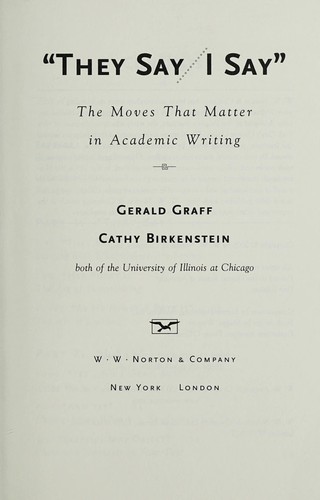
They Say I Say by Gerald Graff and Cathy Birkenstein
-
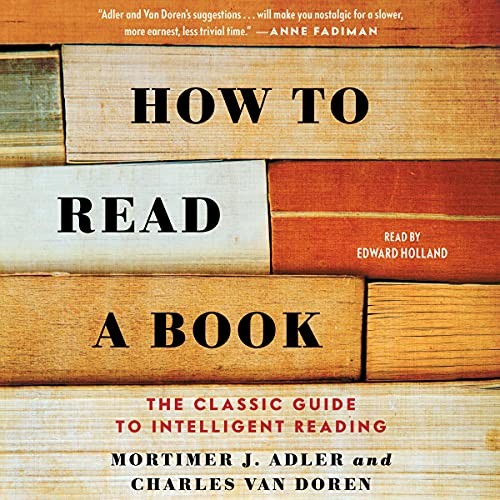
How to Read a Book by Mortimer J. Adler and Charles Van Doren
-
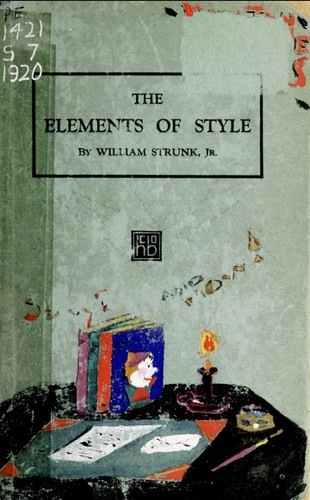
The Elements of Style by William Strunk Jr. and E. B. White
Related: How to Write a Book Review · How To Write A Book in 7 Days | The Ultimate Guide
Frequently Asked Questions
What is a book critique?
An evaluation of a book's strengths and weaknesses.
How is a critique different from a review?
A critique is usually more academic and detailed.
How long should a critique be?
Two to five pages for most school assignments.
Should a critique be negative?
No. It should be balanced.
What should I evaluate?
Purpose, evidence, style and structure.
Can I use first person?
Some instructors allow it.
Do I need a thesis?
Yes.
How do I cite quotes?
Follow MLA, APA or your required style.
Should I include the ending?
Only if needed for your analysis.
What makes a critique strong?
Clear claims supported by examples.
Can I compare with other books?
Yes, comparisons can strengthen analysis.
How do I start?
With a hook and basic book information.
How do I organize the analysis?
Group points by theme, such as characters, structure and style, or by strengths and weaknesses.
Should I mention the author's background?
Briefly, if it helps explain the book's perspective or authority.
What words help evaluation?
Phrases like convincingly shows, falls short when and is most effective in help clarify judgments.
How do I end a critique?
Restate your judgment and recommend the book to a specific audience.
Can I critique a nonfiction book?
Yes. Focus on the strength of evidence and the clarity of the argument.
Should I read the book twice?
A second, faster read helps you find evidence and confirm your judgments.