
Disclosure: As an Amazon Associate, Bookish Wisdom earns from qualifying purchases. This doesn't change our picks or your price.
Quick answer: A prologue is an opening section that comes before the first chapter and gives readers important information set apart from the main story, such as an event from the past, a scene from a different point of view or a glimpse of the danger ahead. A good prologue is short, intriguing and necessary; if the story works without it, many editors suggest cutting it.
Table of Contents
Key Facts
| Item | Detail |
|---|---|
| What it is | An opening section before chapter one |
| Common uses | Backstory, a different viewpoint, foreshadowing |
| Typical length | A few pages |
| Opposite | An epilogue at the end |
| Editor's test | Does the story need it? |
How Prologues Work
1. Show a key past event
A prologue can show something that happened years earlier and shapes the main story, such as a crime or a lost secret.
2. Use a different point of view
Some prologues show the villain or another character the reader will not meet for a while.
3. Create suspense
A short, mysterious scene can make readers eager to understand how it connects to the main plot.
4. Establish the world
In fantasy and science fiction, a brief prologue can introduce a legend or rule of the world.
5. Keep it short
Most effective prologues are a few pages, enough to hook readers without delaying the main story.
6. Test whether it is needed
Ask whether the reader would be confused or less engaged without it. If not, consider weaving the information into later chapters.
Common Prologue Mistakes
- Using a prologue as an info dump. Long explanations slow the start.
- Writing a prologue that is really chapter one. If it is the main story, call it chapter one.
- Making it too long. Keep it brief.
- Disconnecting it from the plot. The link should become clear.
- Confusing it with a preface. A preface is the author speaking, not part of the story.
Building a Writing Habit That Lasts
Most books are finished by people who write regularly, not by people who wait for inspiration. Pick a time you can protect, even if it is only twenty minutes, and treat it like an appointment. Keep a running document of ideas so you never start from a blank page. Set a small, measurable goal, such as three hundred words a session, and track it. When you get stuck, skip ahead to a scene or section you are excited about and come back later. Finally, separate drafting from editing: write the rough version first, and fix it afterward, because trying to do both at once slows most writers down.
It also helps to know who the book is for. Write a one-sentence description of your reader and keep it beside your desk. Every time you are unsure about a scene, a word or a chapter, ask whether it serves that reader. This simple check keeps a draft focused and makes later editing much easier.
Finally, ask for feedback early. A trusted reader, writing group or teacher can spot problems you are too close to see, and fixing them in an early draft is much easier than in a finished one.
Keep every draft. Saving old versions lets you experiment freely, because you can always go back if a change does not work.
Most importantly, enjoy the process. Writing a book is a long project, and the writers who finish are usually the ones who find something to love in the daily work.
Reading widely in the form you are writing is one of the best teachers. Notice how other writers open, structure and end their work, and borrow techniques that suit your own voice.
Set a realistic deadline for each stage, such as finishing the draft, completing revisions and getting feedback. Deadlines turn a large, vague goal into a series of manageable steps, and they make it easier to notice when you need to adjust your plan.
Helpful Books and Resources
-
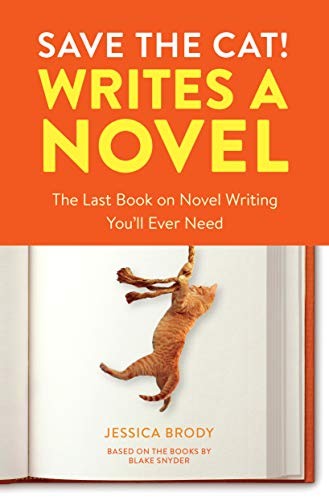
Save the Cat! Writes a Novel by Jessica Brody
-
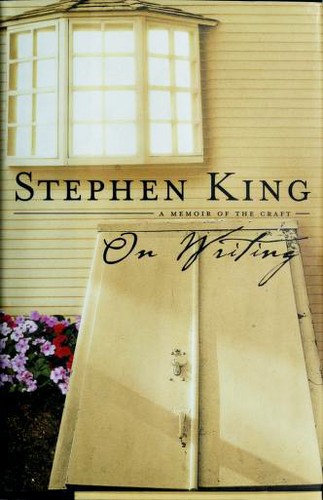
On Writing by Stephen King
-
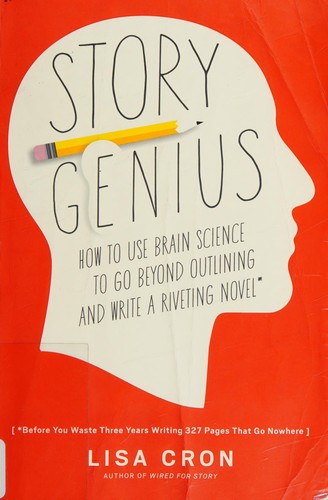
Story Genius by Lisa Cron
Related: On Writing by Stephen King: Summary and Key Takeaways
Frequently Asked Questions
What is a prologue in a book?
An opening section before chapter one.
What is the difference between a prologue and a preface?
A prologue is part of the story, while a preface is the author's note.
Do all books need a prologue?
No. Many work better without one.
How long should a prologue be?
Usually a few pages.
Do agents dislike prologues?
Some do, so make sure yours is necessary.
What is a prologue used for?
Backstory, foreshadowing or a different viewpoint.
Should I read the prologue?
Yes. It is part of the story.
Can nonfiction have a prologue?
Yes, often as a dramatic opening scene.
What is the opposite of a prologue?
An epilogue.
Can a prologue be in a different tense?
Yes, sometimes to set it apart.
What is a famous example?
Many fantasy novels, including A Game of Thrones, open with prologues.
Should a prologue have a title?
It is usually simply labeled Prologue.
Can a prologue be written in first person?
Yes, if it suits the story.
Can a prologue be set in the future?
Yes. Some open with a later moment, then jump back to show how events led there.
Do readers skip prologues?
Some do, so keep yours short and gripping.