
Disclosure: As an Amazon Associate, Bookish Wisdom earns from qualifying purchases. This doesn't change our picks or your price.
Quick answer: A beta reader is someone who reads a draft of a book before it is published and gives feedback from a reader's point of view. Unlike an editor, a beta reader is not usually a professional; they tell you where they got confused, bored, excited or moved. Writers use beta readers after self-editing a draft, usually before hiring an editor or querying agents.
Table of Contents
Key Facts
| Item | Detail |
|---|---|
| What they do | Give reader feedback on a draft |
| Who they are | Readers of your genre, writing partners or friends |
| When to use them | After self-editing, before professional editing or querying |
| Cost | Often free or a swap, sometimes paid |
| Typical number | Three to five readers |
How to Work With Beta Readers
1. Finish and self-edit first
Give beta readers a complete draft that you have already revised. Early drafts full of known problems waste their time.
2. Choose the right readers
Pick people who enjoy your genre, since they understand what readers expect. Writing groups and online communities are good places to find them.
3. Ask specific questions
Ask where they lost interest, which characters they liked, whether the ending worked and what confused them.
4. Set a clear deadline
Give readers a realistic timeframe, such as four to six weeks for a novel.
5. Look for patterns
If several readers mention the same problem, it probably needs fixing. One-off comments may be personal taste.
6. Thank and reciprocate
Offer to read their work in return or acknowledge them in your book.
Common Beta Reader Mistakes
- Sending a messy first draft. Self-edit first.
- Asking only friends and family. They may be too kind.
- Taking every comment as a rule. Look for patterns.
- Arguing with feedback. Listen and decide later.
- Using too many readers at once. Start with a small group.
Building a Writing Habit That Lasts
Most books are finished by people who write regularly, not by people who wait for inspiration. Pick a time you can protect, even if it is only twenty minutes, and treat it like an appointment. Keep a running document of ideas so you never start from a blank page. Set a small, measurable goal, such as three hundred words a session, and track it. When you get stuck, skip ahead to a scene or section you are excited about and come back later. Finally, separate drafting from editing: write the rough version first, and fix it afterward, because trying to do both at once slows most writers down.
It also helps to know who the book is for. Write a one-sentence description of your reader and keep it beside your desk. Every time you are unsure about a scene, a word or a chapter, ask whether it serves that reader. This simple check keeps a draft focused and makes later editing much easier.
Finally, ask for feedback early. A trusted reader, writing group or teacher can spot problems you are too close to see, and fixing them in an early draft is much easier than in a finished one.
Keep every draft. Saving old versions lets you experiment freely, because you can always go back if a change does not work.
Most importantly, enjoy the process. Writing a book is a long project, and the writers who finish are usually the ones who find something to love in the daily work.
Reading widely in the form you are writing is one of the best teachers. Notice how other writers open, structure and end their work, and borrow techniques that suit your own voice.
Set a realistic deadline for each stage, such as finishing the draft, completing revisions and getting feedback. Deadlines turn a large, vague goal into a series of manageable steps, and they make it easier to notice when you need to adjust your plan.
Helpful Books and Resources
- The Business of Being a Writer by Jane Friedman
-
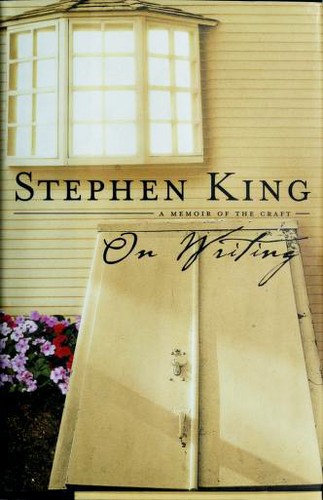
On Writing by Stephen King
-
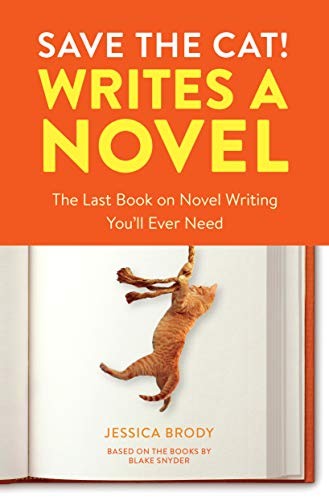
Save the Cat! Writes a Novel by Jessica Brody
Related: On Writing by Stephen King: Summary and Key Takeaways
Frequently Asked Questions
What is a beta reader?
Someone who reads a draft and gives reader feedback.
How is a beta reader different from an editor?
Beta readers react as readers, while editors fix craft and language.
Where can I find beta readers?
Writing groups, online communities and genre fans.
Do I have to pay beta readers?
Many work for free or swaps, though some charge.
How many beta readers should I have?
Three to five is common.
When should I use beta readers?
After self-editing and before an editor or agent.
What questions should I ask?
Where they were bored, confused or excited.
How long should beta readers take?
Usually a few weeks.
What is an alpha reader?
Someone who reads an earlier, rougher draft.
Should beta readers be writers?
A mix of readers and writers works well.
Can beta readers steal my work?
It is rare, but choose trusted readers.
What if feedback conflicts?
Trust patterns and your vision.
Do nonfiction writers use beta readers?
Yes, especially for clarity.
How do I thank beta readers?
Acknowledge them and return the favor.
Should I use a feedback form?
A short questionnaire helps readers focus and makes answers easier to compare.
Can beta readers help with sensitivity?
Yes, but consider hiring a sensitivity reader for specific expertise.
What if a beta reader does not finish?
That itself is useful feedback about pacing.