
Disclosure: As an Amazon Associate, Bookish Wisdom earns from qualifying purchases. This doesn't change our picks or your price.
Quick answer: A book dedication is a short line near the front of a book that honors someone who matters to the author. Most are one sentence, such as For my mother, who taught me to love stories, or To everyone who ever felt like an outsider. Keep it short, sincere and personal. Dedications can be serious, funny or poetic, and many readers enjoy reading them.
Table of Contents
Key Facts
| Item | Detail |
|---|---|
| Location | Front matter, after the title and copyright pages |
| Typical length | One sentence |
| Common recipients | Family, friends, mentors, readers |
| Tones | Heartfelt, funny or poetic |
| Optional | Not every book has one |
How to Write a Book Dedication
1. Decide who to honor
Think of the person or group who inspired or supported the book, such as a partner, parent, child, teacher or readers.
2. Keep it short
Most dedications are one line. Brevity makes them powerful.
3. Be specific
A small detail, like who read me stories every night, makes the dedication feel personal.
4. Match the book's tone
A funny middle grade book can have a playful dedication, while a memoir may call for something more serious.
5. Consider privacy
Some authors use initials or first names to protect privacy.
6. Look at examples
Simple models include For Sam, always, To my students, who keep me learning, and For anyone who needs a reminder that they matter.
Common Dedication Mistakes
- Making it too long. Save long thanks for acknowledgments.
- Inside jokes no one understands. A little mystery is fine, but too much confuses.
- Forgetting someone important. Think carefully.
- Overly dramatic language. Sincerity works better.
- Mixing with acknowledgments. Keep them separate.
Building a Writing Habit That Lasts
Most books are finished by people who write regularly, not by people who wait for inspiration. Pick a time you can protect, even if it is only twenty minutes, and treat it like an appointment. Keep a running document of ideas so you never start from a blank page. Set a small, measurable goal, such as three hundred words a session, and track it. When you get stuck, skip ahead to a scene or section you are excited about and come back later. Finally, separate drafting from editing: write the rough version first, and fix it afterward, because trying to do both at once slows most writers down.
It also helps to know who the book is for. Write a one-sentence description of your reader and keep it beside your desk. Every time you are unsure about a scene, a word or a chapter, ask whether it serves that reader. This simple check keeps a draft focused and makes later editing much easier.
Finally, ask for feedback early. A trusted reader, writing group or teacher can spot problems you are too close to see, and fixing them in an early draft is much easier than in a finished one.
Keep every draft. Saving old versions lets you experiment freely, because you can always go back if a change does not work.
Most importantly, enjoy the process. Writing a book is a long project, and the writers who finish are usually the ones who find something to love in the daily work.
Reading widely in the form you are writing is one of the best teachers. Notice how other writers open, structure and end their work, and borrow techniques that suit your own voice.
Set a realistic deadline for each stage, such as finishing the draft, completing revisions and getting feedback. Deadlines turn a large, vague goal into a series of manageable steps, and they make it easier to notice when you need to adjust your plan.
Helpful Books and Resources
-
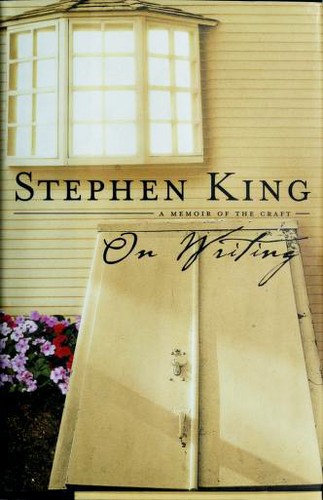
On Writing by Stephen King
-
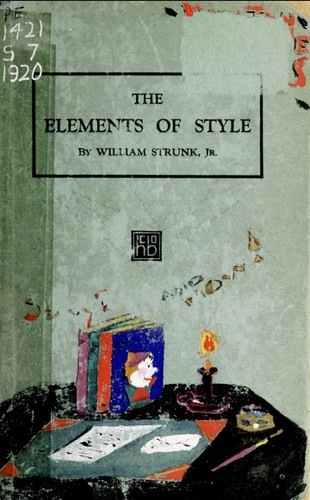
The Elements of Style by William Strunk Jr. and E. B. White
-
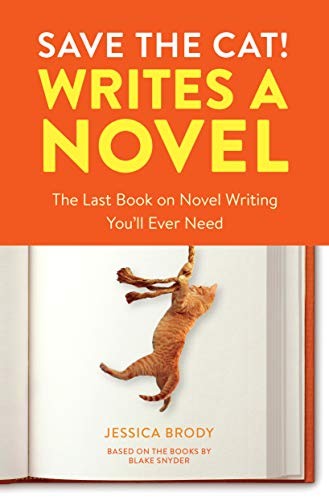
Save the Cat! Writes a Novel by Jessica Brody
Related: On Writing by Stephen King: Summary and Key Takeaways · What Is a Novella? Definition, Length and 10 Great Examples
Frequently Asked Questions
Where does a dedication go?
In the front matter, after the title and copyright pages.
How long should a dedication be?
Usually one sentence.
Who should I dedicate my book to?
Someone who inspired or supported you.
Can I dedicate a book to more than one person?
Yes.
Can a dedication be funny?
Yes, if it fits the book.
Is a dedication required?
No.
What is the difference between a dedication and acknowledgments?
Acknowledgments thank many people at length.
Can I dedicate a book to readers?
Yes, many authors do.
Should I use full names?
First names or initials are common.
Can I dedicate a book to a pet?
Yes, and many authors do.
Can I dedicate a book to someone who has died?
Yes, and it can be a moving tribute.
Should I tell the person first?
It can be a lovely surprise or a shared moment.
Do e-books include dedications?
Yes.
What are famous examples?
Many children's authors write playful dedications.
Where do I find dedication ideas?
Look at the dedication pages of favorite books for inspiration.
Can I write the dedication in another language?
Yes, if it is meaningful to you and the person.