
Disclosure: As an Amazon Associate, Bookish Wisdom earns from qualifying purchases. This doesn't change our picks or your price.
Quick answer: To write a book of poetry, write many poems over time, choose your strongest ones, find the themes, images or story that connect them, and arrange them in an order that builds and varies in mood. Most poetry collections hold 40 to 80 pages of poems. Many poets publish individual poems in literary magazines first, then submit a full manuscript to presses or contests.
Table of Contents
Key Facts
| Item | Detail |
|---|---|
| Typical length | About 40-80 pages |
| Common size | 30-70 poems |
| Key step | Finding connecting themes |
| Publishing route | Magazines, chapbooks, contests, small presses |
| Shorter form | A chapbook of about 15-30 pages |
How to Put Together a Poetry Collection
1. Write regularly
Build a large body of poems so you can choose the best ones.
2. Revise each poem
Read poems aloud, cut unnecessary words and sharpen images.
3. Find the thread
Look for repeated themes, places, images or emotions that connect your strongest poems.
4. Arrange with care
Open with a striking poem, vary length and tone, and end with one that resonates.
5. Start with a chapbook
A short chapbook of 15 to 30 pages is a good first goal.
6. Submit strategically
Send individual poems to magazines, then enter manuscript contests or submit to small presses that publish poetry.
Common Poetry Collection Mistakes
- Including every poem. Choose only your best.
- Ignoring order. Sequence creates a reading experience.
- Too much sameness. Vary forms and moods.
- Skipping revision. Poems benefit from many drafts.
- Paying predatory contests. Research presses and fees.
Building a Writing Habit That Lasts
Most books are finished by people who write regularly, not by people who wait for inspiration. Pick a time you can protect, even if it is only twenty minutes, and treat it like an appointment. Keep a running document of ideas so you never start from a blank page. Set a small, measurable goal, such as three hundred words a session, and track it. When you get stuck, skip ahead to a scene or section you are excited about and come back later. Finally, separate drafting from editing: write the rough version first, and fix it afterward, because trying to do both at once slows most writers down.
It also helps to know who the book is for. Write a one-sentence description of your reader and keep it beside your desk. Every time you are unsure about a scene, a word or a chapter, ask whether it serves that reader. This simple check keeps a draft focused and makes later editing much easier.
Finally, ask for feedback early. A trusted reader, writing group or teacher can spot problems you are too close to see, and fixing them in an early draft is much easier than in a finished one.
Keep every draft. Saving old versions lets you experiment freely, because you can always go back if a change does not work.
Most importantly, enjoy the process. Writing a book is a long project, and the writers who finish are usually the ones who find something to love in the daily work.
Reading widely in the form you are writing is one of the best teachers. Notice how other writers open, structure and end their work, and borrow techniques that suit your own voice.
Set a realistic deadline for each stage, such as finishing the draft, completing revisions and getting feedback. Deadlines turn a large, vague goal into a series of manageable steps, and they make it easier to notice when you need to adjust your plan.
Finally, protect your work. Back up every draft in at least two places, such as a cloud folder and an external drive, and keep a simple log of what you changed in each version. If anything goes wrong, you will lose a few minutes rather than months of writing.
Helpful Books and Resources
-
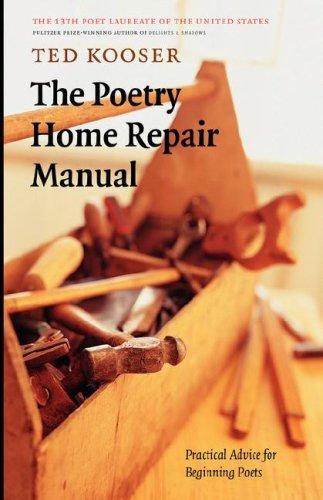
The Poetry Home Repair Manual by Ted Kooser
-
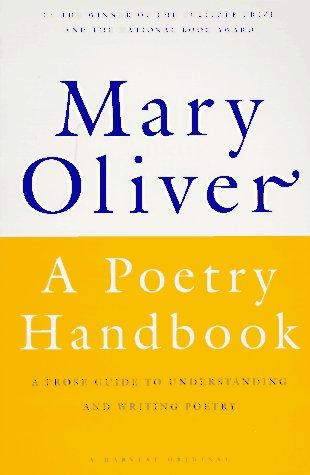
A Poetry Handbook by Mary Oliver
-
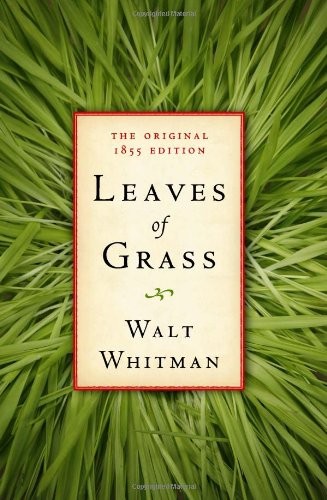
Leaves of Grass by Walt Whitman
Related: Leaves of Grass by Walt Whitman: Summary and Key Takeaways · How to Write a Book Review
Frequently Asked Questions
How many poems are in a poetry book?
Usually 30 to 70.
How long is a poetry collection?
About 40 to 80 pages.
What is a chapbook?
A short collection of about 15 to 30 pages.
Should I publish poems in magazines first?
It helps build credits.
Do poetry books need a theme?
A unifying thread makes collections stronger.
Can I self-publish poetry?
Yes, and many poets do.
How do I order poems?
By theme, emotion or narrative arc.
Should poems rhyme?
Not necessarily.
What are poetry contests?
Competitions where presses publish winning manuscripts.
Do poets need agents?
Usually not.
Can poetry books include images?
Yes.
How do I find my voice?
Read widely and write often.
What collections can I learn from?
Collections by Mary Oliver and Langston Hughes.
How long does a collection take?
Often years of writing.
Should I include a table of contents?
Yes, most poetry books list poem titles.
Can I mix forms?
Yes, sonnets, free verse and prose poems can sit together.