
Disclosure: As an Amazon Associate, Bookish Wisdom earns from qualifying purchases. This doesn't change our picks or your price.
Quick answer: A first edition book is a copy from the first print run of a book's first published edition. Collectors value true first editions, especially first printings of famous books, because they are the earliest versions available to readers. You can often identify one from the copyright page, where a number line ending in 1 usually signals a first printing.
Table of Contents
Key Facts
| Item | Detail |
|---|---|
| What it is | A copy from the first print run of the first edition |
| How to identify | The copyright page and number line |
| Number line clue | A 1 usually means first printing |
| Most valuable | First printings of famous books in good condition |
| Key factors | Condition, dust jacket, signatures |
How to Recognize a First Edition
1. Check the copyright page
Look for words like First Edition or First Printing, though publishers use different conventions.
2. Read the number line
A line of numbers such as 10 9 8 7 6 5 4 3 2 1 usually means first printing if the lowest number is 1.
3. Compare details
Collectors check publisher, price on the dust jacket and known errors or points that identify true first printings.
4. Look at condition
Value depends heavily on condition, especially for the dust jacket.
5. Consider signatures
Signed first editions can be worth more.
6. Use references
Bibliographies and dealer guides explain how to identify firsts for specific books.
Common Collector Mistakes
- Assuming every first edition is valuable. Most are worth little.
- Ignoring the dust jacket. It can make up much of the value.
- Confusing book club editions. They are usually not true firsts.
- Trusting labels alone. Check printing details.
- Overcleaning or repairing. This can lower value.
Making Reading Part of Everyday Life
Small habits make the biggest difference. Keep a book where you naturally spend idle minutes, such as by the bed, in a bag or on your phone through a library app. Set a gentle goal, like ten pages a day, rather than a large number that feels like pressure. Mix formats, since audiobooks count too and can fit into commutes and chores. Let yourself stop reading books you do not enjoy, because forcing your way through them is one of the fastest ways to lose the habit. And talk about what you read with friends or a book club, since sharing a story is one of the best reasons to finish it.
If you want to read more, track what you finish in a notebook or app. Seeing a growing list is motivating, and it helps you notice what you enjoy most, so you can choose better books next time.
Finally, be patient with yourself. Reading habits grow slowly, and a few pages most days will add up to many books over a year.
It also helps to keep a list of books you want to read next. When you finish one book, you will already know what to pick up, which keeps the habit going without a gap.
Above all, choose books that match your mood and interests. Reading should feel like a reward, not a test, and the right book at the right time makes the habit easy.
Libraries are the best free resource for any reader. Librarians can suggest books, help you find formats that suit you and introduce you to digital lending apps.
Talking about books also deepens understanding. Sharing a favorite passage with a friend, joining an online discussion or writing a few lines in a reading journal helps you remember what you read and notice ideas you might otherwise miss.
It can also help to vary what you read. Alternating between fiction and nonfiction, long and short books, or new releases and older favorites keeps reading fresh and introduces you to authors and ideas you might never have chosen on purpose.
Helpful Books and Resources
-
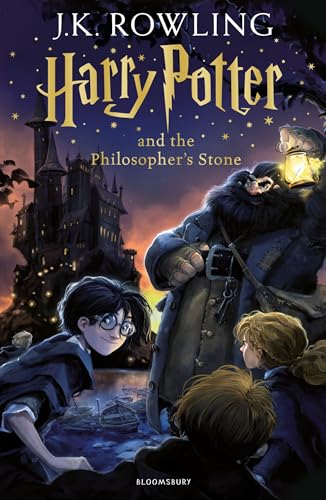
Harry Potter and the Philosopher's Stone by J. K. Rowling
-
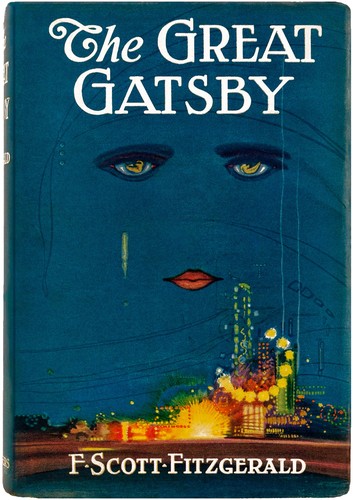
The Great Gatsby by F. Scott Fitzgerald
-
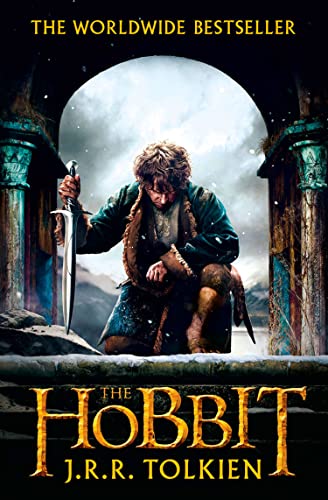
The Hobbit by J. R. R. Tolkien
Related: Harry Potter and the Philosopher’s Stone by J. K. Rowling: Summary and Key Takeaways · The Great Gatsby by F. Scott Fitzgerald: Summary and Key Takeaways
Frequently Asked Questions
What is a first edition book?
A copy from the first printing of the first edition.
How do I know if my book is a first edition?
Check the copyright page and number line.
Are all first editions valuable?
No.
What makes a first edition valuable?
Rarity, demand and condition.
What is a number line?
A printed line showing the printing number.
What is a book club edition?
A cheaper edition usually not considered a true first.
Does a signature add value?
Often, yes.
What is a first edition first printing?
The very first copies printed.
Are paperbacks ever first editions?
Yes, if the book first appeared in paperback.
Where can I sell first editions?
Through rare book dealers and auctions.
How should I store collectible books?
Away from sunlight and damp.
Do e-books have first editions?
Not in the collecting sense.
What famous first editions are valuable?
Early printings of Harry Potter and other classics.
Should I insure valuable books?
Yes, for very valuable copies.