
Disclosure: As an Amazon Associate, Bookish Wisdom earns from qualifying purchases. This doesn't change our picks or your price.
TL;DR: In the summer of 1922, Nick Carraway moves next door to the mysterious millionaire Jay Gatsby, who throws lavish parties to win back Daisy Buchanan, the woman he loved years before. Gatsby's dream collapses in a series of tragedies, exposing the emptiness behind wealth and the American Dream.
Table of Contents
The Great Gatsby at a Glance
| Author | F. Scott Fitzgerald |
| First published | 1925 |
| Type | Novel |
| Best for | readers who want a short, beautifully written classic about love, wealth and illusion |
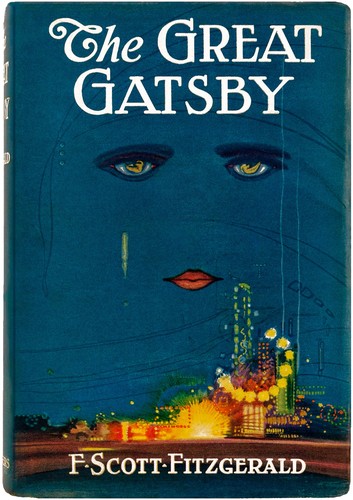
The Great Gatsby is a novel by F. Scott Fitzgerald, first published in 1925. Set on Long Island and in New York during the Jazz Age, it is told by Nick Carraway, a young man from the Midwest. Below you will find a part-by-part summary, five key takeaways, ideas worth remembering and a note on who will enjoy it.
What Happens, Part by Part (Contains Spoilers)
West Egg and East Egg
Nick rents a small house in West Egg, next to Gatsby's mansion. Across the bay in East Egg live his cousin Daisy and her wealthy, arrogant husband Tom Buchanan. Nick learns that Tom has a mistress, Myrtle Wilson, who lives in the gray “valley of ashes” with her husband George, a struggling mechanic.
Gatsby's parties
Gatsby throws huge parties that hundreds attend, though few know him. When Nick finally meets Gatsby, he learns that Gatsby loved Daisy five years ago, before he went to war, and bought his house to be near her. Gatsby asks Nick to invite Daisy to tea so they can meet again.
The reunion
Gatsby and Daisy reunite at Nick's house and begin an affair. Gatsby shows her his mansion and his piles of shirts, and Nick learns the truth: Gatsby was born James Gatz, a poor farm boy, and made his fortune through shady deals, possibly bootlegging. He has built his whole life around winning Daisy.
The confrontation
On a hot day in New York, Tom confronts Gatsby at the Plaza Hotel, exposing his criminal ties. Daisy cannot say she never loved Tom. Driving home in Gatsby's car, Daisy hits and kills Myrtle, who runs into the road. Gatsby decides to take the blame to protect her.
The ending
Tom tells George Wilson that the car belonged to Gatsby. George shoots Gatsby in his pool, then kills himself. Daisy and Tom leave town without attending the funeral, which almost no one attends. Nick, disgusted by the careless rich, returns to the Midwest and reflects on Gatsby's hope, symbolized by the green light at the end of Daisy's dock.
5 Key Takeaways
- Wealth cannot buy the past or guarantee happiness.
- The American Dream can become an illusion when it is tied only to money and status.
- Careless people can destroy others and walk away untouched.
- Gatsby's hope is both admirable and doomed.
- Appearance and reality often differ, especially among the rich.
Ideas Worth Remembering
These are paraphrased, not direct quotes:
- You can't repeat the past.
- Money can hide carelessness but not cure it.
- Hope can keep you moving forward even when it is impossible.
Who Should Read The Great Gatsby?
Read The Great Gatsby if you want a short classic with gorgeous prose and big themes. It is widely taught in high school, and adults often find more in it on a second read.
Questions to Think About After Reading
These prompts work for solo reading, a book club or a classroom discussion of The Great Gatsby:
- Is Gatsby a hero, a fool or both?
- What does the green light mean to you?
- How reliable is Nick as a narrator?
How to Use This Summary
Use this page as a quick reference before a book club meeting, an exam, or a decision about whether The Great Gatsby is worth your time. The takeaways are written to stand on their own. If a point interests you, go back to the book for the author's full story, characters and style, which no short summary can replace.
A Note on Accuracy and Spoilers
This summary is based on the published text of The Great Gatsby, not on any film, series or stage adaptation, which often change the story. Details are kept at the level of the main events so that nothing is invented. Editions differ slightly in length and wording, so page numbers and small details may vary between copies.
Should You Read the Book?
If the summary caught your interest, read the opening chapters before you decide. A summary tells you what happens, but the voice and pacing are what make a book work or not.
Check price of The Great Gatsby on Amazon
What to Read Next
- Tender Is the Night by F. Scott Fitzgerald: Fitzgerald's novel of a glamorous marriage falling apart
- The Sun Also Rises by Ernest Hemingway: another classic of the Lost Generation
- Rules of Civility by Amor Towles: a modern novel of glamorous 1930s New York
Related: The Great Gatsby Ending Explained · 15 Books Like The Great Gatsby You’ll Love: Jazz Age Glamour and Tragedy
Frequently Asked Questions
What is The Great Gatsby about?
A mysterious millionaire tries to win back the woman he loved, with tragic results.
What does the green light symbolize?
Gatsby's hope and longing for Daisy and the future.
Who narrates The Great Gatsby?
Nick Carraway, Daisy's cousin and Gatsby's neighbor.
Who killed Myrtle?
Daisy, while driving Gatsby's car.
How does Gatsby die?
George Wilson shoots him, believing Gatsby killed Myrtle.
Is there a movie?
Yes. Famous versions include the 1974 and 2013 films.
Who is Jordan Baker?
Daisy's friend, a professional golfer who briefly dates Nick.
What are the eyes of Doctor T.J. Eckleburg?
A faded billboard over the valley of ashes that seems to watch over the characters.
Is The Great Gatsby worth reading?
It depends on what you want. The book is best for readers who want a short, beautifully written classic about love, wealth and illusion. If that describes you, it is likely a good fit. If not, the titles under What to Read Next may suit you better.