
Disclosure: As an Amazon Associate, Bookish Wisdom earns from qualifying purchases. This doesn't change our picks or your price.
Quick answer: To write a book of short stories, write and polish individual stories first, then choose the strongest ones that share a theme, setting, mood or set of characters. Arrange them in an order that opens and closes powerfully, revise so the collection feels unified, and consider publishing some stories in magazines first, since many collections grow from previously published work.
Table of Contents
Key Facts
| Item | Detail |
|---|---|
| Typical length | 40,000-80,000 words |
| Number of stories | Often 8-15 |
| Key unifying ideas | Theme, place, voice or recurring characters |
| Publishing path | Magazines and contests, then a collection |
| Linked collections | Stories that share characters or a setting |
How to Write a Short Story Collection
1. Write stories one at a time
Focus on finishing complete stories with a strong opening, a turning point and a satisfying ending. Short stories reward tight focus.
2. Find the common thread
Look across your stories for shared themes, places or characters. A clear thread makes the book feel like a whole.
3. Choose your best work
Leave out weaker stories, even if you love them. A shorter, stronger collection is better than a long, uneven one.
4. Order the stories carefully
Open with a story that hooks readers and end with one that lingers. Vary length and tone so the book has rhythm.
5. Revise for unity
Adjust names, settings or details so stories echo each other, and cut repetition.
6. Publish stories individually
Submitting to literary magazines and contests builds credits and helps you find an agent or publisher for the collection.
Mistakes in Short Story Collections
- Including every story you have written. Choose only the best.
- Ignoring the order. Sequence shapes the reader's experience.
- Repeating the same structure. Vary forms and endings.
- Making stories too similar. Each should stand on its own.
- Skipping magazine submissions. Published stories make a collection easier to sell.
Building a Writing Habit That Lasts
Most books are finished by people who write regularly, not by people who wait for inspiration. Pick a time you can protect, even if it is only twenty minutes, and treat it like an appointment. Keep a running document of ideas so you never start from a blank page. Set a small, measurable goal, such as three hundred words a session, and track it. When you get stuck, skip ahead to a scene or section you are excited about and come back later. Finally, separate drafting from editing: write the rough version first, and fix it afterward, because trying to do both at once slows most writers down.
It also helps to know who the book is for. Write a one-sentence description of your reader and keep it beside your desk. Every time you are unsure about a scene, a word or a chapter, ask whether it serves that reader. This simple check keeps a draft focused and makes later editing much easier.
Finally, ask for feedback early. A trusted reader, writing group or teacher can spot problems you are too close to see, and fixing them in an early draft is much easier than in a finished one.
Keep every draft. Saving old versions lets you experiment freely, because you can always go back if a change does not work.
Most importantly, enjoy the process. Writing a book is a long project, and the writers who finish are usually the ones who find something to love in the daily work.
Reading widely in the form you are writing is one of the best teachers. Notice how other writers open, structure and end their work, and borrow techniques that suit your own voice.
Helpful Books and Resources
-
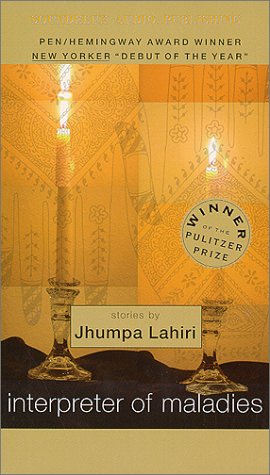
Interpreter of Maladies by Jhumpa Lahiri
-
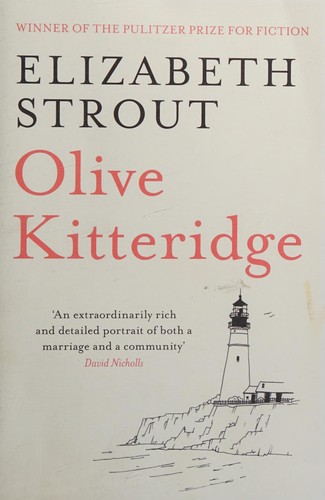
Olive Kitteridge by Elizabeth Strout
-
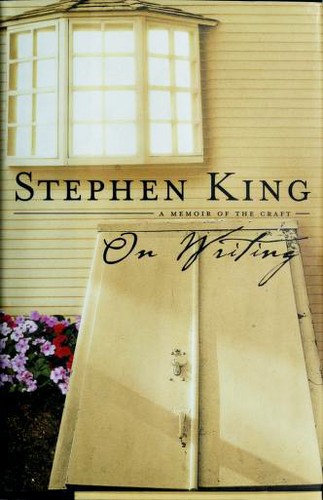
On Writing by Stephen King
Related: Interpreter of Maladies by Jhumpa Lahiri: Summary and Key Takeaways · Olive Kitteridge by Elizabeth Strout: Summary and Key Takeaways
Frequently Asked Questions
How many stories are in a collection?
Often 8 to 15.
How long is a short story collection?
Usually 40,000 to 80,000 words.
What is a linked collection?
Stories that share characters or a setting.
Should I publish stories in magazines first?
It helps build credits and interest.
Can I self-publish a collection?
Yes, and many writers do.
How long should a short story be?
Usually 1,000 to 10,000 words.
What makes a collection feel unified?
A shared theme, place, mood or voice.
What collections can I learn from?
Interpreter of Maladies by Jhumpa Lahiri and Olive Kitteridge by Elizabeth Strout.
Do publishers buy debut story collections?
Some do, but many writers publish a novel first, so strong magazine credits help.
Should I write a frame story?
A frame, like a narrator who links the tales, can help unify a collection but is optional.