
Disclosure: As an Amazon Associate, Bookish Wisdom earns from qualifying purchases. This doesn't change our picks or your price.
Quick answer: To write a book pitch, sum up your book in a few sentences that introduce the main character, their goal, the obstacle and the stakes, then add the genre, word count and two comparable titles. A strong pitch is short, specific and exciting, and it adapts easily to query letters, pitch events and conversations with agents or editors.
Table of Contents
Key Facts
| Item | Detail |
|---|---|
| Core elements | Character, goal, obstacle, stakes |
| Book details | Genre, word count, comp titles |
| Lengths | One-line logline, short paragraph, full query pitch |
| Used for | Queries, pitch events, conferences |
| Key quality | Specific and memorable |
How to Write a Strong Book Pitch
1. Write a logline
Sum up the story in one sentence, such as when X happens, a character must do Y or else Z.
2. Expand to a paragraph
Add who the character is, what makes their situation unique and what is at stake if they fail.
3. Choose comparable titles
Pick two recent, successful books in your genre that share your book's tone or premise.
4. Include the basics
State the genre, target age group and word count.
5. Practice aloud
For in-person pitches, practice saying it naturally in under a minute.
6. Tailor it
Adjust emphasis for different agents, events or platforms while keeping the core consistent.
Common Pitching Mistakes
- Being vague. Specific details make pitches memorable.
- Explaining every subplot. Focus on the main story.
- Choosing outdated comps. Use books from the last few years.
- Overselling. Let the story speak.
- Forgetting stakes. Agents need to know why it matters.
Building a Writing Habit That Lasts
Most books are finished by people who write regularly, not by people who wait for inspiration. Pick a time you can protect, even if it is only twenty minutes, and treat it like an appointment. Keep a running document of ideas so you never start from a blank page. Set a small, measurable goal, such as three hundred words a session, and track it. When you get stuck, skip ahead to a scene or section you are excited about and come back later. Finally, separate drafting from editing: write the rough version first, and fix it afterward, because trying to do both at once slows most writers down.
It also helps to know who the book is for. Write a one-sentence description of your reader and keep it beside your desk. Every time you are unsure about a scene, a word or a chapter, ask whether it serves that reader. This simple check keeps a draft focused and makes later editing much easier.
Finally, ask for feedback early. A trusted reader, writing group or teacher can spot problems you are too close to see, and fixing them in an early draft is much easier than in a finished one.
Keep every draft. Saving old versions lets you experiment freely, because you can always go back if a change does not work.
Most importantly, enjoy the process. Writing a book is a long project, and the writers who finish are usually the ones who find something to love in the daily work.
Reading widely in the form you are writing is one of the best teachers. Notice how other writers open, structure and end their work, and borrow techniques that suit your own voice.
Set a realistic deadline for each stage, such as finishing the draft, completing revisions and getting feedback. Deadlines turn a large, vague goal into a series of manageable steps, and they make it easier to notice when you need to adjust your plan.
Finally, protect your work. Back up every draft in at least two places, such as a cloud folder and an external drive, and keep a simple log of what you changed in each version. If anything goes wrong, you will lose a few minutes rather than months of writing.
Helpful Books and Resources
- The Business of Being a Writer by Jane Friedman
-
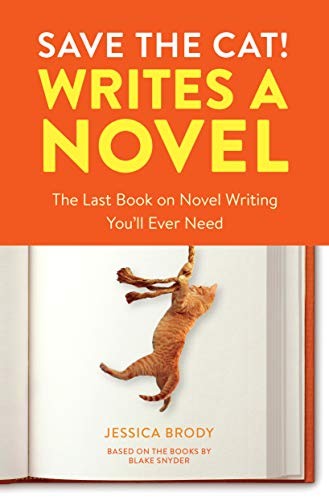
Save the Cat! Writes a Novel by Jessica Brody
-
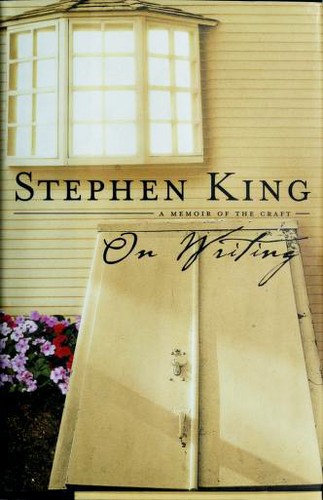
On Writing by Stephen King
Related: On Writing by Stephen King: Summary and Key Takeaways · How to Write a Book Review
Frequently Asked Questions
What is a book pitch?
A short description designed to interest agents or editors.
How long should a pitch be?
From one sentence to a short paragraph.
What is a logline?
A one-sentence summary of the story.
What are comp titles?
Recent books similar to yours.
Where do I use a pitch?
In queries, at conferences and in conversations.
Should I mention the ending?
Not in a pitch.
How is a pitch different from a synopsis?
A pitch teases, a synopsis explains.
What is a pitch event?
An event where writers pitch agents directly.
How do I make a pitch memorable?
Use a unique hook and clear stakes.
Can nonfiction books be pitched?
Yes, focusing on the idea and author platform.
Should I practice my pitch?
Yes, especially for live events.
What is an elevator pitch?
A pitch short enough to deliver in a brief elevator ride.
Can I pitch on social media?
Some events allow pitching on social platforms.
What book helps?
The Business of Being a Writer.
How do I pitch a series?
Pitch book one as a complete story with series potential.
What tone should a pitch use?
The same tone as the book, whether funny, dark or romantic.
How do I handle nerves at pitch events?
Practice with friends and bring short notes.