
Disclosure: As an Amazon Associate, Bookish Wisdom earns from qualifying purchases. This doesn't change our picks or your price.
Quick answer: To write a book recommendation, name the title and author, describe the book briefly without spoilers, explain what you loved with one or two specific reasons, and say who would enjoy it. Good recommendations are short, personal and honest, whether you share them in a school assignment, a social media post, a review site or a conversation with a friend.
Table of Contents
Key Facts
| Item | Detail |
|---|---|
| Core parts | Title, author, short description, reasons, ideal reader |
| Typical length | A few sentences to a short paragraph |
| Tone | Personal and enthusiastic |
| Key rule | No spoilers |
| Where shared | School, social media, reviews, book clubs |
How to Write a Book Recommendation
1. Start with the basics
Give the title, author and genre so readers can find the book.
2. Describe it briefly
Explain the premise in one or two sentences, enough to spark interest without spoilers.
3. Share what you loved
Mention specific strengths, such as funny characters, a gripping mystery or beautiful writing.
4. Name the ideal reader
Say who would enjoy it, such as fans of fantasy adventures or anyone who loved Wonder.
5. Add a comparison
Comparing it with a popular book helps readers understand the style.
6. Keep it honest
Mention anything readers should know, such as a slow start or mature content.
Common Recommendation Mistakes
- Spoiling the ending. Keep twists secret.
- Being too vague. Specific details persuade.
- Retelling the whole plot. A sentence or two is enough.
- Ignoring the audience. Match the recommendation to the reader.
- Overpraising. Honesty builds trust.
Building a Writing Habit That Lasts
Most books are finished by people who write regularly, not by people who wait for inspiration. Pick a time you can protect, even if it is only twenty minutes, and treat it like an appointment. Keep a running document of ideas so you never start from a blank page. Set a small, measurable goal, such as three hundred words a session, and track it. When you get stuck, skip ahead to a scene or section you are excited about and come back later. Finally, separate drafting from editing: write the rough version first, and fix it afterward, because trying to do both at once slows most writers down.
It also helps to know who the book is for. Write a one-sentence description of your reader and keep it beside your desk. Every time you are unsure about a scene, a word or a chapter, ask whether it serves that reader. This simple check keeps a draft focused and makes later editing much easier.
Finally, ask for feedback early. A trusted reader, writing group or teacher can spot problems you are too close to see, and fixing them in an early draft is much easier than in a finished one.
Keep every draft. Saving old versions lets you experiment freely, because you can always go back if a change does not work.
Most importantly, enjoy the process. Writing a book is a long project, and the writers who finish are usually the ones who find something to love in the daily work.
Reading widely in the form you are writing is one of the best teachers. Notice how other writers open, structure and end their work, and borrow techniques that suit your own voice.
Set a realistic deadline for each stage, such as finishing the draft, completing revisions and getting feedback. Deadlines turn a large, vague goal into a series of manageable steps, and they make it easier to notice when you need to adjust your plan.
Finally, protect your work. Back up every draft in at least two places, such as a cloud folder and an external drive, and keep a simple log of what you changed in each version. If anything goes wrong, you will lose a few minutes rather than months of writing.
Helpful Books and Resources
-
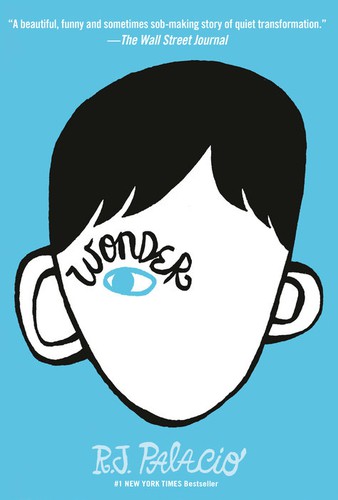
Wonder by R. J. Palacio
-
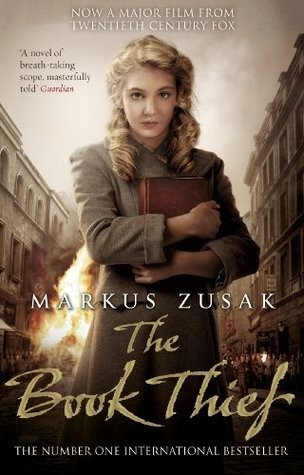
The Book Thief by Markus Zusak
-
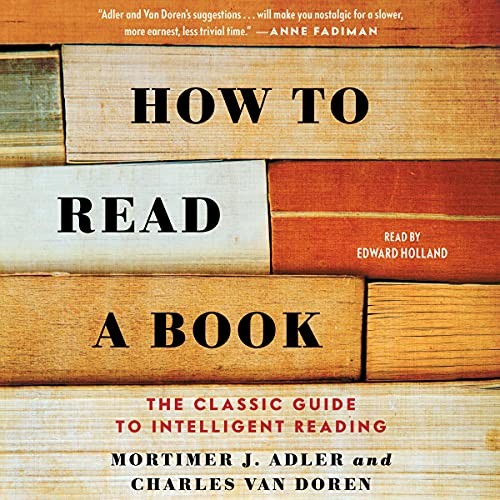
How to Read a Book by Mortimer J. Adler and Charles Van Doren
Related: The Book Thief by Markus Zusak: Summary and Key Takeaways · How to Write a Book Review
Frequently Asked Questions
How do I write a book recommendation?
Name the book, describe it briefly and explain why you loved it.
How long should it be?
A few sentences to a paragraph.
Should I include spoilers?
No.
How is it different from a review?
Recommendations focus on why to read it.
Can I recommend books on social media?
Yes, short posts work well.
What if I did not love every part?
Be honest but positive.
Should I compare it with other books?
Yes, comparisons help.
How do I recommend books to kids?
Focus on fun and adventure.
Can teachers assign book recommendations?
Yes, they build persuasive writing skills.
Should I give a rating?
Optional.
How do I make it persuasive?
Use vivid, specific details.
Can I recommend nonfiction?
Yes, focus on what readers learn.
Where can I share recommendations?
Book clubs, review sites and libraries.
What phrases help?
If you loved, you will enjoy, and perfect for are useful.
Should I mention the author's other books?
Yes, if relevant.
How do I recommend audiobooks?
Mention the narrator too.
Should I mention the book's length?
Yes, if it helps readers decide.
How do I recommend a book for a gift?
Explain who it suits and why it would make them smile.
Can I recommend series?
Yes, start with book one.
Is it okay to recommend old books?
Absolutely. Classics deserve new readers.