
Disclosure: As an Amazon Associate, Bookish Wisdom earns from qualifying purchases. This doesn't change our picks or your price.
Quick answer: To write a nonfiction book, choose a clear topic and reader, define the promise or main argument, research thoroughly, create a chapter outline, write a draft that mixes ideas with stories and examples, then revise for clarity and accuracy and get feedback from experts and readers. Many nonfiction authors sell their book with a proposal before finishing the manuscript.
Table of Contents
Key Facts
| Item | Detail |
|---|---|
| Typical length | 50,000-80,000 words |
| Key element | A clear promise to readers |
| Structure | Chapters built around main points |
| Research | Interviews, studies and sources |
| Publishing path | Often a proposal first |
How to Write a Nonfiction Book
1. Define your reader and promise
Decide who the book is for and what they will gain, such as learning a skill or understanding a topic.
2. Research deeply
Gather studies, interviews, data and examples, and keep careful notes of sources.
3. Outline the chapters
Organize ideas in a logical order, with each chapter making one main point.
4. Write with stories
Use anecdotes, case studies and examples to make ideas memorable.
5. Revise for clarity
Cut jargon, simplify sentences and check that each chapter delivers on the promise.
6. Fact-check and get feedback
Verify facts and ask experts and target readers to review the draft.
Common Nonfiction Mistakes
- Too broad a topic. Narrow your focus.
- No stories. Examples make ideas stick.
- Unverified facts. Check everything.
- Forgetting the reader. Keep their needs central.
- Skipping the proposal. Traditional publishers usually want one.
Building a Writing Habit That Lasts
Most books are finished by people who write regularly, not by people who wait for inspiration. Pick a time you can protect, even if it is only twenty minutes, and treat it like an appointment. Keep a running document of ideas so you never start from a blank page. Set a small, measurable goal, such as three hundred words a session, and track it. When you get stuck, skip ahead to a scene or section you are excited about and come back later. Finally, separate drafting from editing: write the rough version first, and fix it afterward, because trying to do both at once slows most writers down.
It also helps to know who the book is for. Write a one-sentence description of your reader and keep it beside your desk. Every time you are unsure about a scene, a word or a chapter, ask whether it serves that reader. This simple check keeps a draft focused and makes later editing much easier.
Finally, ask for feedback early. A trusted reader, writing group or teacher can spot problems you are too close to see, and fixing them in an early draft is much easier than in a finished one.
Keep every draft. Saving old versions lets you experiment freely, because you can always go back if a change does not work.
Most importantly, enjoy the process. Writing a book is a long project, and the writers who finish are usually the ones who find something to love in the daily work.
Reading widely in the form you are writing is one of the best teachers. Notice how other writers open, structure and end their work, and borrow techniques that suit your own voice.
Set a realistic deadline for each stage, such as finishing the draft, completing revisions and getting feedback. Deadlines turn a large, vague goal into a series of manageable steps, and they make it easier to notice when you need to adjust your plan.
Finally, protect your work. Back up every draft in at least two places, such as a cloud folder and an external drive, and keep a simple log of what you changed in each version. If anything goes wrong, you will lose a few minutes rather than months of writing.
Helpful Books and Resources
-
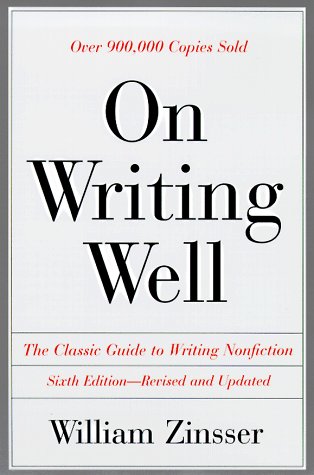
On Writing Well by William Zinsser
-
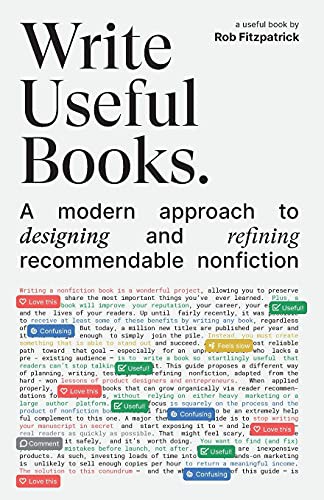
Write Useful Books by Rob Fitzpatrick
- The Business of Being a Writer by Jane Friedman
Related: How to Write a Book Review · How To Write A Book in 7 Days | The Ultimate Guide
Frequently Asked Questions
How long is a nonfiction book?
Usually 50,000 to 80,000 words.
Do I need a proposal?
For traditional publishing, usually yes.
Do I need credentials?
Expertise or experience helps credibility.
How do I research?
Use reliable sources and interviews.
Should I use stories?
Yes, they make ideas memorable.
How many chapters should it have?
Often 8 to 15.
Can I self-publish nonfiction?
Yes.
How do I avoid plagiarism?
Cite sources and use your own words.
What is creative nonfiction?
True stories told with literary techniques.
How long does it take to write?
Often a year or more.
Should I hire a fact-checker?
For complex topics, it can help.
What makes nonfiction sell?
A clear promise and strong author platform.
Can I use quotes from other books?
Short quotes with credit are usually fine.
What book helps?
On Writing Well by William Zinsser.
How do I start?
Write a one-sentence promise.
Should I write the introduction last?
Many authors do.
How do I choose a nonfiction topic?
Pick something you know deeply and readers urgently want to understand.
Should nonfiction have a narrative?
Many successful books follow people or a journey to carry ideas.
How do I handle sensitive information?
Get consent and protect privacy.
Can I co-write nonfiction?
Yes, many experts work with co-writers.
Is nonfiction easier to sell?
Often, with a strong proposal and platform.