
Disclosure: As an Amazon Associate, Bookish Wisdom earns from qualifying purchases. This doesn't change our picks or your price.
Quick answer: A graphic memoir is a true life story told in comic or graphic novel form, using illustrations and text together. The author, often also the artist, shows real experiences such as childhood, family, illness or history through panels and drawings. Famous examples include Maus by Art Spiegelman, Persepolis by Marjane Satrapi, Fun Home by Alison Bechdel and Smile by Raina Telgemeier.
Table of Contents
Key Facts
| Item | Detail |
|---|---|
| What it is | A memoir in comic form |
| Creator | Usually the author-artist |
| Famous examples | Maus, Persepolis, Fun Home, Smile |
| Audiences | Children, teens and adults |
| Awards | Maus won a special Pulitzer Prize in 1992 |
How Graphic Memoirs Work
1. Words and pictures together
Images show emotions, settings and memories that words alone might not capture.
2. Personal history
Graphic memoirs often explore growing up, identity and family relationships.
3. History through one life
Books like Maus and Persepolis show major historical events through personal experience.
4. Visual style choices
Artists use symbols, colors and layouts to express feelings, such as Maus portraying people as animals.
5. Range of ages
Smile and Guts by Raina Telgemeier suit middle grade readers, while Fun Home is for adults.
6. Growing genre
Graphic memoirs now win major literary awards and are taught in schools.
Common Misunderstandings
- Thinking comics are only for kids. Many graphic memoirs are for adults.
- Reading too fast. Images carry important details.
- Assuming they are fiction. They are true stories.
- Ignoring the art style. It shapes meaning.
- Missing age guidance. Check suitability.
Making Reading Part of Everyday Life
Small habits make the biggest difference. Keep a book where you naturally spend idle minutes, such as by the bed, in a bag or on your phone through a library app. Set a gentle goal, like ten pages a day, rather than a large number that feels like pressure. Mix formats, since audiobooks count too and can fit into commutes and chores. Let yourself stop reading books you do not enjoy, because forcing your way through them is one of the fastest ways to lose the habit. And talk about what you read with friends or a book club, since sharing a story is one of the best reasons to finish it.
If you want to read more, track what you finish in a notebook or app. Seeing a growing list is motivating, and it helps you notice what you enjoy most, so you can choose better books next time.
Finally, be patient with yourself. Reading habits grow slowly, and a few pages most days will add up to many books over a year.
It also helps to keep a list of books you want to read next. When you finish one book, you will already know what to pick up, which keeps the habit going without a gap.
Above all, choose books that match your mood and interests. Reading should feel like a reward, not a test, and the right book at the right time makes the habit easy.
Libraries are the best free resource for any reader. Librarians can suggest books, help you find formats that suit you and introduce you to digital lending apps.
Talking about books also deepens understanding. Sharing a favorite passage with a friend, joining an online discussion or writing a few lines in a reading journal helps you remember what you read and notice ideas you might otherwise miss.
It can also help to vary what you read. Alternating between fiction and nonfiction, long and short books, or new releases and older favorites keeps reading fresh and introduces you to authors and ideas you might never have chosen on purpose.
Helpful Books and Resources
-
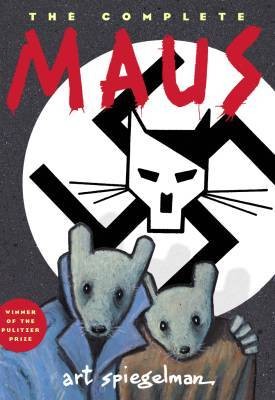
Maus by Art Spiegelman
-
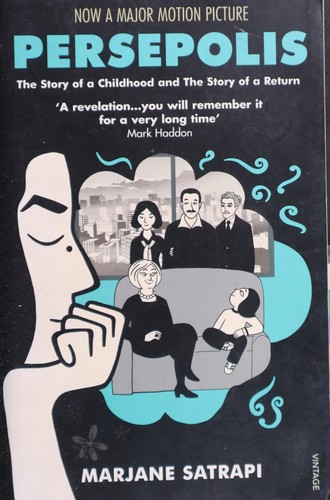
Persepolis by Marjane Satrapi
-
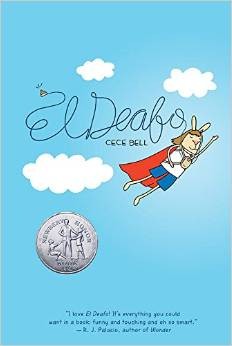
El Deafo by Cece Bell
Related: El Deafo by Cece Bell: Summary and Key Takeaways · 15 Best Memoir Books for Book Clubs: Powerful True Stories to Discuss
Frequently Asked Questions
What is a graphic memoir?
A true life story told in comic form.
What is the most famous graphic memoir?
Maus by Art Spiegelman.
Are graphic memoirs for kids?
Some are, like Smile.
What is Persepolis about?
Growing up during the Iranian Revolution.
What is Fun Home?
Alison Bechdel's graphic memoir about her family.
Did Maus win awards?
Yes, a special Pulitzer Prize.
How is a graphic memoir different from a graphic novel?
A graphic memoir is true.
Can I write my own graphic memoir?
Yes, even with simple drawings.
Are graphic memoirs taught in schools?
Yes, often.
What graphic memoirs suit teens?
Persepolis and El Deafo.
What is El Deafo?
Cece Bell's memoir about growing up deaf.
Do graphic memoirs count as reading?
Yes.
What should I read first?
Smile for younger readers or Persepolis for teens.
Are there funny graphic memoirs?
Yes, many mix humor and heart.
How long are graphic memoirs?
Often 150 to 300 pages.
Do graphic memoirs use color?
Some do, while others use black and white for mood.
Can graphic memoirs handle serious topics?
Yes, many explore war, illness and grief.
Where can I find graphic memoirs?
Libraries shelve them with graphic novels or biographies.
What makes a graphic memoir powerful?
The mix of personal voice and visual storytelling.
Who reads graphic memoirs?
Readers of all ages who enjoy true stories.
Are they quick reads?
Many can be read in a day or two.
Can they help reluctant readers?
Yes, the pictures make them inviting.