
Disclosure: As an Amazon Associate, Bookish Wisdom earns from qualifying purchases. This doesn't change our picks or your price.
Quick answer: A college book report, often called a book review or critical analysis, goes beyond summary. It introduces the book and its context, states a clear thesis about the book's argument or meaning, analyzes how the author supports it with evidence, evaluates strengths and weaknesses, and connects the book to course themes, using proper citations in the required style.
Table of Contents
Key Facts
| Item | Detail |
|---|---|
| Typical length | Three to ten pages |
| Key element | A clear thesis |
| Focus | Analysis and evaluation, not summary |
| Evidence | Quotes and page references |
| Citation styles | MLA, APA or Chicago |
How to Write a College Book Report
1. Read actively
Take notes on the main argument, structure, evidence and your reactions. Mark key passages with page numbers.
2. Research context
Learn about the author, when the book was written and how it fits in its field.
3. Write a thesis
State your main claim about the book, such as how well it proves its argument or what it reveals about a theme.
4. Summarize briefly
Give only the summary needed for readers to follow your analysis.
5. Analyze and evaluate
Discuss how the author builds the argument, use evidence from the text and weigh strengths and limitations.
6. Connect and conclude
Relate the book to course concepts or other readings, then restate your thesis and its significance.
Mistakes That Lower College Grades
- Writing mostly summary. Professors want analysis.
- Weak thesis. Make a clear, arguable claim.
- No evidence. Quote and cite the text.
- Ignoring the assignment. Follow length and style requirements.
- Skipping proofreading. Errors undermine your credibility.
Building a Writing Habit That Lasts
Most books are finished by people who write regularly, not by people who wait for inspiration. Pick a time you can protect, even if it is only twenty minutes, and treat it like an appointment. Keep a running document of ideas so you never start from a blank page. Set a small, measurable goal, such as three hundred words a session, and track it. When you get stuck, skip ahead to a scene or section you are excited about and come back later. Finally, separate drafting from editing: write the rough version first, and fix it afterward, because trying to do both at once slows most writers down.
It also helps to know who the book is for. Write a one-sentence description of your reader and keep it beside your desk. Every time you are unsure about a scene, a word or a chapter, ask whether it serves that reader. This simple check keeps a draft focused and makes later editing much easier.
Finally, ask for feedback early. A trusted reader, writing group or teacher can spot problems you are too close to see, and fixing them in an early draft is much easier than in a finished one.
Keep every draft. Saving old versions lets you experiment freely, because you can always go back if a change does not work.
Most importantly, enjoy the process. Writing a book is a long project, and the writers who finish are usually the ones who find something to love in the daily work.
Reading widely in the form you are writing is one of the best teachers. Notice how other writers open, structure and end their work, and borrow techniques that suit your own voice.
Helpful Books and Resources
-
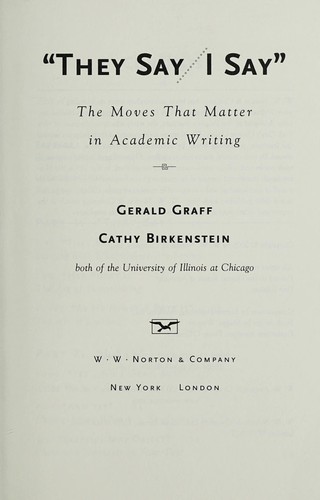
They Say I Say by Gerald Graff and Cathy Birkenstein
-
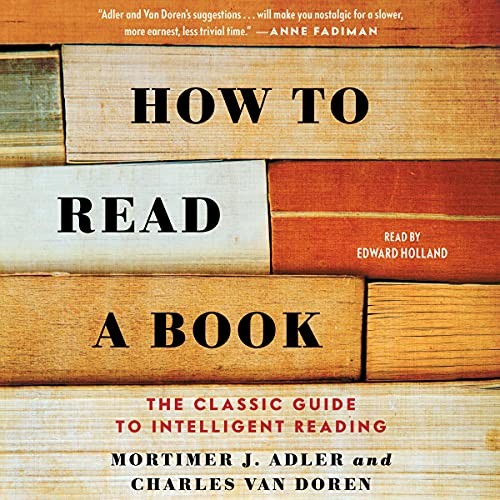
How to Read a Book by Mortimer J. Adler and Charles Van Doren
-
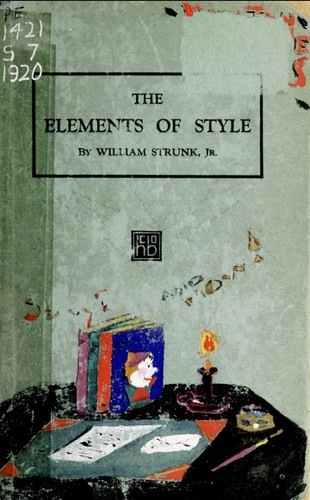
The Elements of Style by William Strunk Jr. and E. B. White
Related: How to Write a Book Review · How To Write A Book in 7 Days | The Ultimate Guide
Frequently Asked Questions
How long is a college book report?
Usually three to ten pages.
What is the difference between a report and a review?
A review focuses more on evaluation.
Do I need a thesis?
Yes.
How much summary should I include?
Only what readers need to follow your analysis.
Should I use outside sources?
If the assignment allows, they add context.
Which citation style should I use?
Whatever your professor requires.
Can I use first person?
Some instructors allow it, so check.
How do I start?
With a hook and context, then your thesis.
How is a college report different from high school?
It expects deeper analysis, a clear thesis and engagement with ideas.
Can I disagree with the author?
Yes, if you support your view with evidence.