
Disclosure: As an Amazon Associate, Bookish Wisdom earns from qualifying purchases. This doesn't change our picks or your price.
Quick answer: To become well read, read widely across time periods, cultures and forms: classic novels like Pride and Prejudice and Nineteen Eighty-Four, modern classics like The Remains of the Day, world literature like One Hundred Years of Solitude, key nonfiction like Sapiens and A Brief History of Time, poetry and drama like Shakespeare. Being well read is less about a fixed list and more about curiosity and range.
Table of Contents
Key Facts
| Item | Detail |
|---|---|
| Classics | Pride and Prejudice, Nineteen Eighty-Four, The Great Gatsby |
| World literature | One Hundred Years of Solitude, The Remains of the Day |
| Nonfiction | Sapiens, A Brief History of Time, Silent Spring |
| Drama and poetry | Shakespeare, Emily Dickinson |
| Approach | Range and curiosity over a fixed list |
A Balanced Reading List for Becoming Well Read
1. Classic novels
Pride and Prejudice by Jane Austen, Great Expectations by Charles Dickens and Nineteen Eighty-Four by George Orwell are often discussed and referenced.
2. American literature
The Great Gatsby, To Kill a Mockingbird and Of Mice and Men offer short, powerful introductions.
3. World literature
One Hundred Years of Solitude by Gabriel García Márquez, The Remains of the Day by Kazuo Ishiguro and Norwegian Wood by Haruki Murakami broaden perspective.
4. Nonfiction
Sapiens by Yuval Noah Harari, A Brief History of Time by Stephen Hawking and Silent Spring by Rachel Carson explain big ideas.
5. Drama
Hamlet and Macbeth by Shakespeare and Death of a Salesman by Arthur Miller are central to Western drama.
6. Poetry
Short collections by Emily Dickinson, Langston Hughes or Mary Oliver show how much a few lines can do.
Mistakes When Trying to Be Well Read
- Reading only to tick boxes. Choose books you are curious about.
- Ignoring non-Western writers. Range includes many cultures.
- Skipping nonfiction. Ideas books are part of being well read.
- Reading too fast. Take time to think and discuss.
- Avoiding contemporary books. Modern literature matters too.
Making Reading Part of Everyday Life
Small habits make the biggest difference. Keep a book where you naturally spend idle minutes, such as by the bed, in a bag or on your phone through a library app. Set a gentle goal, like ten pages a day, rather than a large number that feels like pressure. Mix formats, since audiobooks count too and can fit into commutes and chores. Let yourself stop reading books you do not enjoy, because forcing your way through them is one of the fastest ways to lose the habit. And talk about what you read with friends or a book club, since sharing a story is one of the best reasons to finish it.
If you want to read more, track what you finish in a notebook or app. Seeing a growing list is motivating, and it helps you notice what you enjoy most, so you can choose better books next time.
Finally, be patient with yourself. Reading habits grow slowly, and a few pages most days will add up to many books over a year.
It also helps to keep a list of books you want to read next. When you finish one book, you will already know what to pick up, which keeps the habit going without a gap.
Above all, choose books that match your mood and interests. Reading should feel like a reward, not a test, and the right book at the right time makes the habit easy.
Libraries are the best free resource for any reader. Librarians can suggest books, help you find formats that suit you and introduce you to digital lending apps.
Helpful Books and Resources
-
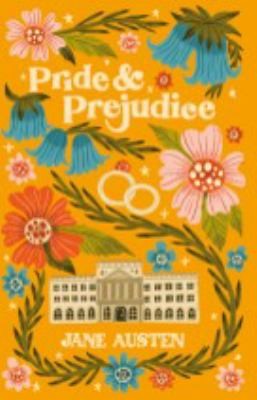
Pride and Prejudice by Jane Austen
-
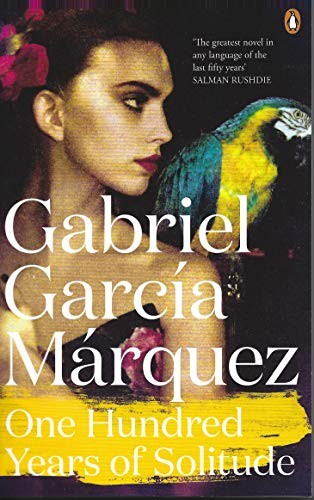
One Hundred Years of Solitude by Gabriel Garcia Marquez
-
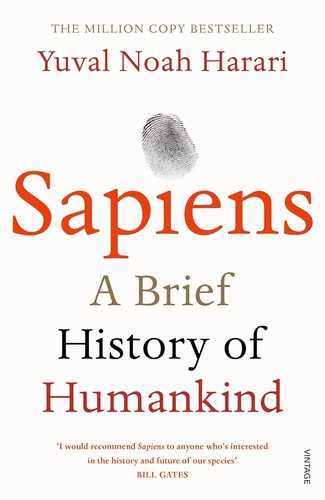
Sapiens by Yuval Noah Harari
Related: Pride and Prejudice by Jane Austen: Summary and Key Takeaways · One Hundred Years of Solitude by Gabriel Garcia Marquez: Summary and Key Takeaways
Frequently Asked Questions
What books should I read to be well read?
A mix of classics, world literature, nonfiction, drama and poetry.
How many books make someone well read?
There is no number. Range matters more.
Should I read classics first?
Mix classics with modern books you enjoy.
Is nonfiction important?
Yes. It builds knowledge of ideas and history.
How can I remember what I read?
Take notes and discuss books with others.
Are audiobooks okay?
Yes. They count.
What is a good first classic?
The Great Gatsby or Of Mice and Men.
Where can I find reading lists?
Libraries, universities and literary prizes publish lists.