
Disclosure: As an Amazon Associate, Bookish Wisdom earns from qualifying purchases. This doesn't change our picks or your price.
Quick answer: To format a book manuscript in Word, use a 12-point readable font such as Times New Roman, double line spacing, one-inch margins, a half-inch first-line indent for paragraphs, page numbers in the header with your last name and title, and start each chapter on a new page using page breaks. This standard manuscript format is what most agents and publishers expect.
Table of Contents
Key Facts
| Item | Detail |
|---|---|
| Font | 12-point Times New Roman or similar |
| Spacing | Double-spaced |
| Margins | One inch on all sides |
| Paragraphs | Half-inch first-line indent, no extra space between |
| File type | .docx |
How to Format a Manuscript in Word
1. Set up the page
Choose one-inch margins and 12-point Times New Roman or a similar font. Set line spacing to double.
2. Use paragraph styles
Modify the Normal style to include a half-inch first-line indent and zero spacing before and after paragraphs, instead of pressing Tab.
3. Add a header
Insert your last name, a short version of the title and the page number in the top right of each page.
4. Create a title page
Include your name, contact details, the title, approximate word count and, if querying, your agent information.
5. Start chapters on new pages
Insert a page break before each chapter and center the chapter heading, often a third of the way down the page.
6. Use scene breaks
Mark scene changes with a centered symbol such as # or three asterisks.
Common Formatting Mistakes
- Using tabs or spaces for indents. Use paragraph settings instead.
- Fancy fonts. Stick to standard fonts.
- Extra spaces between paragraphs. Remove them.
- Manual page breaks with returns. Use Insert, Page Break.
- Ignoring agent guidelines. Always follow specific submission instructions.
Building a Writing Habit That Lasts
Most books are finished by people who write regularly, not by people who wait for inspiration. Pick a time you can protect, even if it is only twenty minutes, and treat it like an appointment. Keep a running document of ideas so you never start from a blank page. Set a small, measurable goal, such as three hundred words a session, and track it. When you get stuck, skip ahead to a scene or section you are excited about and come back later. Finally, separate drafting from editing: write the rough version first, and fix it afterward, because trying to do both at once slows most writers down.
It also helps to know who the book is for. Write a one-sentence description of your reader and keep it beside your desk. Every time you are unsure about a scene, a word or a chapter, ask whether it serves that reader. This simple check keeps a draft focused and makes later editing much easier.
Finally, ask for feedback early. A trusted reader, writing group or teacher can spot problems you are too close to see, and fixing them in an early draft is much easier than in a finished one.
Keep every draft. Saving old versions lets you experiment freely, because you can always go back if a change does not work.
Most importantly, enjoy the process. Writing a book is a long project, and the writers who finish are usually the ones who find something to love in the daily work.
Reading widely in the form you are writing is one of the best teachers. Notice how other writers open, structure and end their work, and borrow techniques that suit your own voice.
Helpful Books and Resources
-
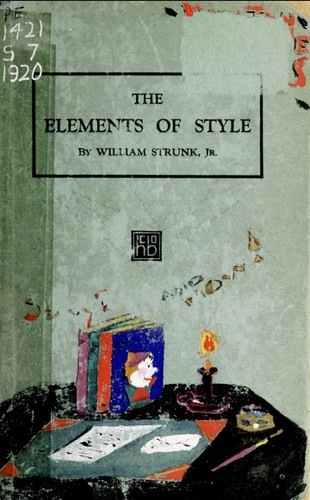
The Elements of Style by William Strunk Jr. and E. B. White
-
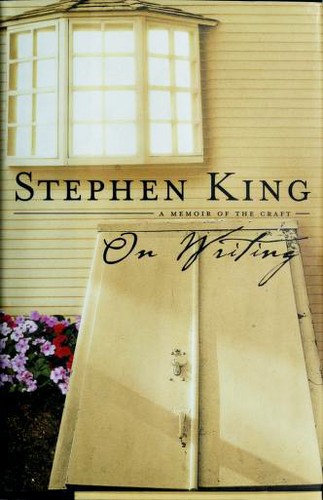
On Writing by Stephen King
-
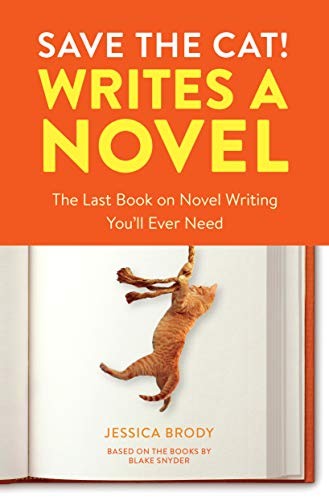
Save the Cat! Writes a Novel by Jessica Brody
Related: On Writing by Stephen King: Summary and Key Takeaways · How Many Words Are in an Average Novel? Word Counts by Genre
Frequently Asked Questions
What font should a manuscript use?
12-point Times New Roman or a similar standard font.
Should a manuscript be double-spaced?
Yes.
What margins should I use?
One inch on all sides.
How do I indent paragraphs?
Use a half-inch first-line indent in paragraph settings.
Should I include page numbers?
Yes, in the header with your name and title.
How do I mark scene breaks?
Use a centered # or three asterisks.
Is this the same as print formatting?
No. Print layout is done later by a designer or formatting tool.
What file type do agents want?
Usually .docx.
Should I use Word templates?
Yes. Save your formatted manuscript as a template for future books.
Do self-published books need this format?
Not for upload, but it helps editors.