

Disclosure: As an Amazon Associate, Bookish Wisdom earns from qualifying purchases. This doesn’t change our picks or your price.
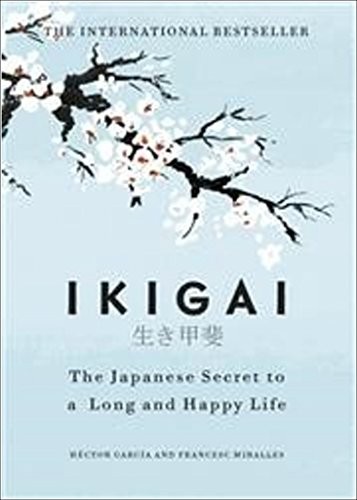
TL;DR: Ikigai: The Japanese Secret to a Long and Happy Life by Hector Garcia and Francesc Miralles explores ikigai, a Japanese word for a reason for living, through interviews with long-lived residents of Okinawa. The authors blend ideas about purpose, flow, small joys, diet, movement and community to suggest how a sense of purpose can help you live with meaning and energy.
Why do some places in the world have so many people who live past a hundred in good health? Authors Hector Garcia and Francesc Miralles traveled to Ogimi, a village in Okinawa, Japan, known for its long-lived residents, and asked what keeps them going. The result, Ikigai, was first published in Spanish in 2016 and in English in 2017, and it became an international bestseller. The book is short, gentle and easy to read. It’s not a scientific study, but a collection of ideas and interviews. Here’s a summary of its main ideas.
Table of Contents
Ikigai at a Glance
| Detail | Info |
|---|---|
| Authors | Hector Garcia and Francesc Miralles |
| Published | 2016 (Spanish), 2017 (English) |
| Genre | Self-help, lifestyle, psychology |
| Core idea | A clear reason for living supports a long, happy life |
| Structure | Ten chapters mixing interviews, research and exercises |
| Best for | Readers searching for purpose, balance and calm |
What Is Ikigai About?
The authors explain that ikigai combines two parts of the Japanese words for life and worth. It is the thing that gives your days meaning, which could be a job, a hobby, family or a daily routine. In Okinawa, they say, people often do not have a word for retirement; they keep doing what they love, and stay active and connected.
The book presents ikigai as a feeling more than a formula. It also includes the popular diagram of four overlapping circles: what you love, what you are good at, what the world needs and what you can be paid for. Historians of the concept note that this diagram is a Western adaptation, and that the Japanese idea is broader and more modest, rooted in everyday joys.
Key Ideas, Part by Part
Lessons From Okinawa
The authors describe the lifestyle of Ogimi, where many people live to ninety or older. Common features include staying active, eating light meals and spending time with friends. Elderly villagers continue gardening, cooking and teaching others, and they take part in community groups.
One tradition is the moai, a small group of friends who support one another socially and, sometimes, financially. Having a moai provides a sense of belonging, which research links to better health and longevity.
Ideas From Psychology and Flow
The book draws on logotherapy, the approach developed by Viktor Frankl, which holds that the search for meaning is a primary human drive. It also discusses flow, a concept from psychologist Mihaly Csikszentmihalyi, referring to a state of deep absorption in a challenging, enjoyable task. Activities such as painting, gardening or playing music can create flow, and finding more of it can help you identify your ikigai.
The authors also mention Morita therapy and Naikan, Japanese approaches to accepting feelings and reflecting on relationships, as ways of finding balance.
Small Joys, Movement and Food
Garcia and Miralles stress the importance of the small things. Ikigai can be found in a morning cup of tea or the pleasure of caring for plants. They recommend slowing down, taking breaks and enjoying the present moment.
On diet, they describe the Okinawan practice of hara hachi bu, eating until you are about 80 percent full. They also list foods commonly eaten in Okinawa, including vegetables, tofu, sweet potatoes, fish and green tea. In terms of exercise, they suggest gentle, regular movement, such as walking, stretching, tai chi and yoga, instead of intense workouts. They add that resilience comes from keeping stress in check and approaching setbacks with calm.
Finding Your Own Ikigai
The last chapters offer questions to help readers explore their purpose. What would you do if you had unlimited money? What activities make you lose track of time? What do others thank you for? The authors suggest experimenting with new activities, keeping a journal and talking with people who inspire you.
They emphasize that ikigai can change over time and does not have to be a grand mission. Even a modest purpose, like caring for a garden or your family, can give life direction and joy.
6 Key Takeaways From Ikigai
- Purpose supports well-being. A reason to get up each day helps you thrive.
- Stay active. Gentle, regular movement beats sporadic extremes.
- Keep your community. Friends and groups provide support.
- Enjoy small things. Daily pleasures add up.
- Seek flow. Absorbing activities bring satisfaction.
- Eat lightly. Stopping before you’re full is part of the Okinawan approach.
Ideas Worth Remembering
- Ikigai can be simple and personal. (paraphrased)
- Retirement doesn’t have to mean stopping. (paraphrased)
- Resilience grows with calm and acceptance. (paraphrased)
- Connection is a pillar of long life. (paraphrased)
How to Apply Ikigai in Real Life
- Ask the four questions. What do I love, what am I good at, what does the world need and what could I be paid for?
- Find your flow. List activities that make time disappear.
- Create a moai. Meet a few friends regularly for support.
- Move gently daily. Take a walk or stretch every morning.
- Savor small joys. Notice one pleasant thing each day.
Criticisms and Limits
Critics note that the book is more inspirational than scientific. The claims about diet and longevity are broad, and the Okinawan lifestyle has changed in recent decades. Some readers also feel that the book mixes ideas from different traditions, such as logotherapy, and offers general advice that could apply to many books. The popular diagram has also been criticized as a misleading shortcut.
The book works best as a gentle prompt to reflect on what gives your days meaning. Take what resonates and leave the rest.
Ikigai in One Minute
Ikigai is a reason for being. Look for it where what you love, what you are good at, what the world needs and what you can earn overlap, but remember that small daily joys count too. Stay active, eat lightly, keep friends close and seek flow. Purpose can be modest and can change over time.
Is the Venn Diagram Authentic?
The four-circle diagram became famous online, but historians of the concept point out that it was adapted from a Western model of career purpose, and that it does not come from Japanese tradition. In Japan, ikigai often refers to everyday sources of meaning, and does not need to involve work or money. Use the diagram as a thinking tool, not a test you must pass.
Ikigai for Students and Retirees
Young people can use ikigai to explore interests and choose paths without pressure to find the one perfect calling. Retirees can use it to design days with meaning, such as volunteering, mentoring or learning a new skill. Both groups can benefit from the idea that purpose is built through action, not discovered all at once. Start by trying small experiments and noting what energizes you.
A Simple Weekly Ikigai Practice
Each Sunday, write three things that gave you energy last week and one thing that drained you. Look for patterns over a month. Then plan one new small experiment, like attending a class, volunteering for a few hours or cooking a new recipe. Share your findings with a friend to build your own moai. The habit keeps purpose active and practical.
Ten Okinawan Rules the Book Highlights
Near the end, the authors list a set of simple rules from the villagers. Stay active and do not retire. Take it slowly. Do not fill your stomach. Surround yourself with good friends. Get in shape for your next birthday. Smile. Reconnect with nature. Give thanks. Live in the moment. Follow your ikigai. Each rule is easy to try on its own, and together they sketch a calm daily rhythm.
Ikigai and Work-Life Balance
Modern readers often ask whether ikigai means loving your job. The authors say that purpose can come from many places, including family, volunteering or a craft. If your job is not your calling, you can still find meaning in how you treat colleagues or in the life your income supports. The idea is to build a day that includes things you care about, instead of waiting for a perfect career. This framing takes pressure off and invites experiments.
Who Should Read Ikigai?
Read it if you feel unsure about your direction, want a calm reflection on purpose or are interested in Japanese culture and longevity. It’s a quick, easygoing read. For a deeper take on meaning, follow it with Man’s Search for Meaning.
What to Read Next
- Man’s Search for Meaning by Viktor E. Frankl finding purpose in hardship
- Flow by Mihaly Csikszentmihalyi the psychology of optimal experience
- The Little Book of Hygge by Meik Wiking the Danish approach to cozy contentment
Related: books like Ikigai and Man’s Search for Meaning summary and key takeaways.
Frequently Asked Questions
What is the main idea of Ikigai?
That having a reason to get up each day, supported by activity, community and small joys, helps you live a longer, happier life.
What does ikigai mean?
A Japanese word often translated as a reason for being or a reason to get up in the morning.
What is a moai?
A small group of friends in Okinawa who provide each other with social and sometimes financial support.
What is hara hachi bu?
The practice of eating until you are about 80 percent full.
Is the ikigai diagram from Japan?
The four-circle diagram is a Western adaptation; the Japanese concept is broader and simpler.