

Disclosure: As an Amazon Associate, Bookish Wisdom earns from qualifying purchases. This doesn’t change our picks or your price.
Quick answer: If you loved Ikigai by Héctor García and Francesc Miralles, try The Little Book of Hygge by Meik Wiking, The Blue Zones by Dan Buettner, Designing Your Life by Bill Burnett and Dave Evans, Flow by Mihaly Csikszentmihalyi, Man’s Search for Meaning by Viktor E. Frankl and Four Thousand Weeks by Oliver Burkeman.
Ikigai is a short, gentle book about the Japanese idea of a reason for being, the sweet spot where what you love, what you’re good at, what the world needs and what you can be paid for overlap. Authors Héctor García and Francesc Miralles visited Ogimi, Okinawa, a village known for long-lived residents, and distilled the habits they found: staying active, eating lightly, strong friendships and a purpose that gets you out of bed. The book has become a bestseller for readers looking for calm direction. The picks below share its themes of purpose, simple living and well-being. They are adult nonfiction, mostly short and easy to read.
Table of Contents
Why Readers Love Ikigai
Readers love Ikigai because it’s calm and encouraging. Instead of pushing hustle culture, it offers small practices: moving daily, keeping a circle of friends, eating until you’re eighty percent full and finding joy in small tasks. The book mixes stories of Okinawan elders with ideas from psychology, such as Frankl’s logotherapy and the concept of flow, so it feels both practical and thoughtful. It’s short enough to finish in an afternoon, and many readers keep it around for reminders when life feels rushed.
How We Chose These Books
Every pick below shares at least one thing readers loved about Ikigai: its characters, its mood, its setting or the questions it raises. We mixed well-known favorites with a few less obvious choices, and we noted the genre and who each book suits best in the table, so you can scan for the right fit before you read the blurbs.
We kept every description spoiler-free and flagged mature content where it matters, since some of these books are written for adults and others suit teens. If you’re not sure where to start, the tips near the end of this list match each pick to what you loved most. The FAQ at the bottom answers the questions readers ask most often.
Quick Picks at a Glance
| Book | Author | Type | Best For |
|---|---|---|---|
| The Little Book of Hygge | Meik Wiking | Lifestyle | Coziness and togetherness |
| The Blue Zones | Dan Buettner | Health | Secrets of long-lived people |
| Designing Your Life | Bill Burnett and Dave Evans | Career | Practical life design |
| Flow | Mihaly Csikszentmihalyi | Psychology | Absorbed, joyful activity |
| Man’s Search for Meaning | Viktor E. Frankl | Psychology | Meaning in hardship |
| Four Thousand Weeks | Oliver Burkeman | Time management | Accepting limits |
| Wabi-Sabi | Beth Kempton | Lifestyle | Beauty in imperfection |
| Shinrin-Yoku | Qing Li | Health | Forest bathing |
| Lagom | Linnea Dunne | Lifestyle | Just the right amount |
| The Gifts of Imperfection | Brené Brown | Self-help | Wholehearted living |
| Atomic Habits | James Clear | Self-help | Small daily changes |
| Essentialism | Greg McKeown | Productivity | Doing less, better |
| Start with Why | Simon Sinek | Leadership | Purpose in work |
| Drive | Daniel H. Pink | Motivation | What motivates us |
| Die with Zero | Bill Perkins | Finance and life | Spending time and money on experiences |
1. The Little Book of Hygge by Meik Wiking
The CEO of Denmark’s Happiness Research Institute explains hygge, the Danish art of cozy contentment, with ideas for candles, food and friends. It’s light and charming.
2. The Blue Zones by Dan Buettner
Buettner studies regions where people live longest and shares their common habits. It’s engaging and practical.
3. Designing Your Life by Bill Burnett and Dave Evans
Two Stanford professors apply design thinking to careers and life choices, with exercises and stories. It’s friendly and useful.
4. Flow by Mihaly Csikszentmihalyi
The psychologist who described flow explains how complete absorption in a challenging task leads to happiness. It echoes ikigai’s focus on meaningful activity.
5. Man’s Search for Meaning by Viktor E. Frankl
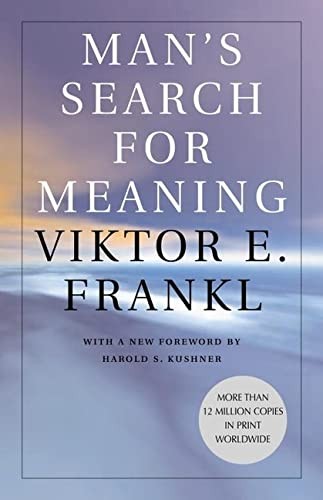
Frankl’s account of surviving the camps and his philosophy of finding meaning. It’s referenced in Ikigai.
6. Four Thousand Weeks by Oliver Burkeman
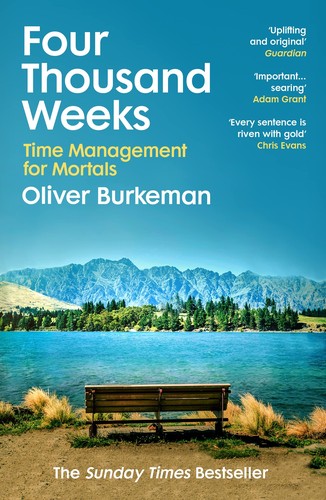
Burkeman argues that accepting our limited time can free us from the pressure to do everything. It’s funny and humane.
7. Wabi-Sabi by Beth Kempton
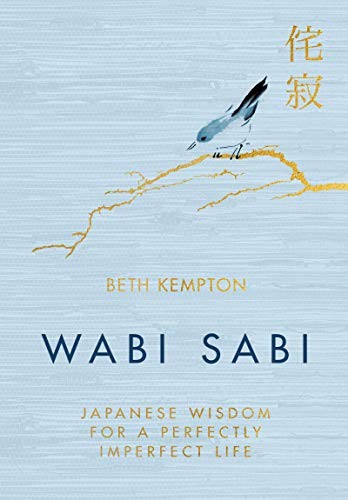
Kempton explores the Japanese philosophy of finding beauty in imperfection and impermanence. It’s calm and lovely.
8. Shinrin-Yoku by Qing Li
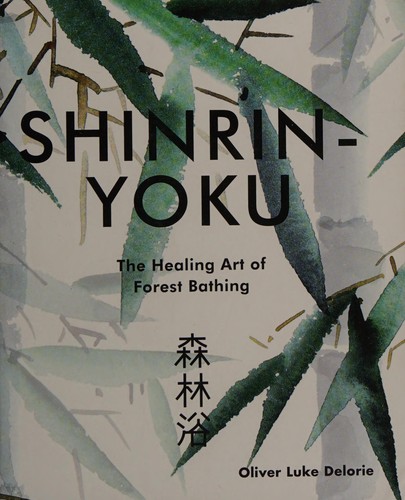
A doctor explains the Japanese practice of immersing yourself in nature to improve health and mood. It’s short and soothing.
9. Lagom by Linnea Dunne
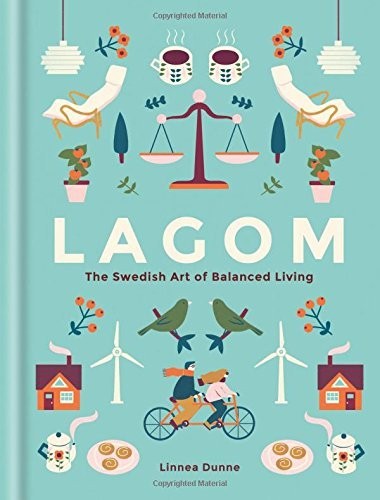
An introduction to the Swedish idea of balance and moderation in daily life. It’s a gentle guide to living with less stress.
10. The Gifts of Imperfection by Brené Brown
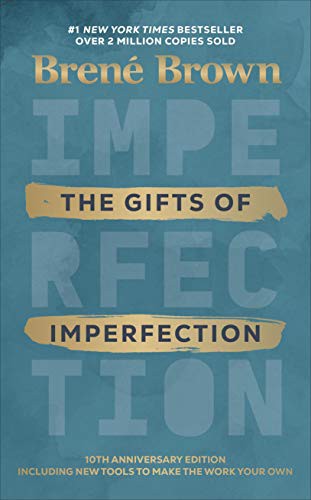
Brown explores how to let go of perfectionism and embrace authenticity. It’s warm and practical.
11. Atomic Habits by James Clear
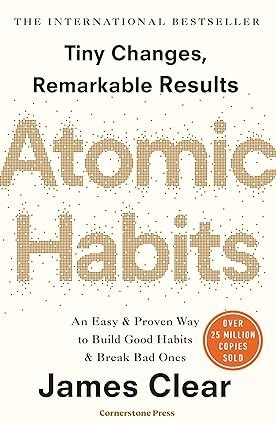
Clear shows how tiny habits compound into big results, with practical steps. It’s a great companion for building the routines of a purposeful life.
12. Essentialism by Greg McKeown
McKeown makes a case for focusing on what matters most and says no to the rest. It’s clear and persuasive.
13. Start with Why by Simon Sinek
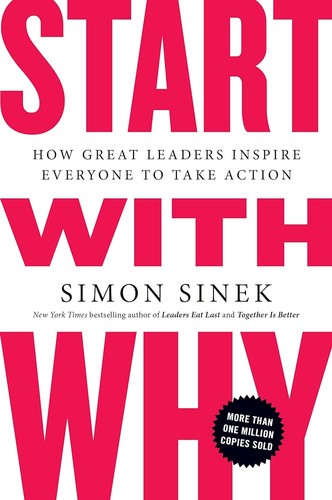
Sinek argues that great leaders start with why. It’s helpful for readers who want purpose in a career.
14. Drive by Daniel H. Pink
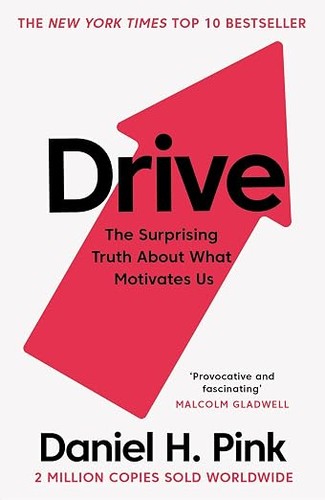
Pink explains that autonomy, mastery and purpose drive motivation. It’s clear and influential.
15. Die with Zero by Bill Perkins
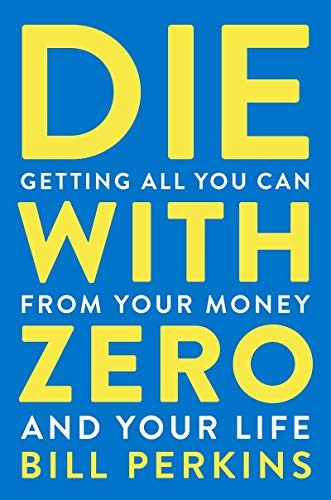
Perkins argues for investing in experiences and memories while you’re able to enjoy them. It’s provocative and fun.
How to Pick Your Next Purpose-Focused Read
- Want cozy living? The Little Book of Hygge and Lagom.
- Want healthy longevity? The Blue Zones.
- Want career help? Designing Your Life and Start with Why.
- Want psychology? Flow and Man’s Search for Meaning.
- Want slow living? Four Thousand Weeks and Wabi-Sabi.
- Take small steps. Try one new habit at a time.
What Ikigai Really Means
In Japanese, ikigai simply means a reason for living, and it can be as small as a morning walk or as big as a career. The popular four-circle diagram showing love, skill, need and pay was created by a Western author and isn’t the traditional Japanese idea, which is closer to everyday purpose and small joys. Many Japanese people describe ikigai as something that gives life meaning and value, even if it isn’t a job. Knowing that can lower the pressure to find one perfect answer.
Habits of Long-Lived Communities
The book draws on Okinawa, one of the world’s Blue Zones, where people tend to live long, healthy lives. Researchers note shared habits: natural movement throughout the day, plant-rich diets, strong social ties, a sense of purpose and low stress. Dan Buettner’s The Blue Zones covers several such regions. These habits are easier to adopt than extreme programs, and they suggest that a good life and a long life often go together. Many of the books on this list offer practical ways to start small.
Simple Practices to Try
To explore ikigai in your life, try a few simple steps. Write down activities that make you lose track of time. Ask friends what they see as your strengths. Spend a week noticing when you feel useful and energized. Take a short walk each day, and share a meal with someone. Then choose one small change, such as joining a class or volunteering, and try it for a month. Purpose often grows from action rather than from planning.
Balancing Purpose and Rest
Not everyone needs a grand mission. Some people find meaning in family, community or craft, and some find it in seasons of rest. Books like Four Thousand Weeks remind us that we can’t do everything, and The Little Book of Hygge shows how cozy, simple moments matter. It’s fine if your purpose changes over time. Giving yourself permission to explore, rest and adjust may be the most important lesson of all.
Cultural Ideas Related to Ikigai
Several cultural ideas pair well with ikigai. Hygge, from Denmark, is about coziness and togetherness. Wabi-sabi, from Japan, finds beauty in imperfection and impermanence. Lagom, from Sweden, means just the right amount. Shinrin-yoku, or forest bathing, is the Japanese practice of calm time in nature. Each offers a slightly different way to slow down and notice what matters. Reading a few together can be a lovely way to build a gentler approach to life.
Using the Book for Career Change
If you’re considering a change of work, Ikigai is a good start but not a plan. Pair it with Designing Your Life, which offers practical exercises such as prototyping and talking to people in jobs you’re curious about. Try small experiments rather than big leaps, and treat each as a way to learn. Many readers find that clarity comes from doing, and that purpose is something you build, not something you discover all at once.
Questions for Reflection
To use Ikigai as more than a pleasant read, set aside half an hour for reflection. What activities make you lose track of time? What do people thank you for? What would you do even if no one paid you? What small daily rituals make you feel at home? If you could change one thing about your weekly routine to make room for what matters, what would it be? Write your answers without editing, then revisit them in a month. Patterns tend to appear that point toward your own sense of purpose.
Who Might Not Enjoy Ikigai
Ikigai is a short, gentle book, so readers who want rigorous research may find it light, and critics note that some of its claims about Okinawa and longevity are simplified. If you’d like more evidence, Dan Buettner’s The Blue Zones and Csikszentmihalyi’s Flow go deeper. If you want more practical steps, Designing Your Life and Atomic Habits offer exercises. Treat Ikigai as an invitation to think, not a manual, and let the other books on this list fill in the details that matter to you.
Related: books like Man’s Search for Meaning and Four Thousand Weeks summary and key takeaways.
Frequently Asked Questions
What book is most like Ikigai?
The Blue Zones, Flow and The Little Book of Hygge are the closest in theme and tone.
What does ikigai mean?
It’s a Japanese word for a reason for living or being.
Is the ikigai Venn diagram Japanese?
No. The four-circle diagram was created by a Western writer and is not the traditional Japanese concept.
Is Ikigai a long book?
No. It’s short, usually under 200 pages, and easy to read in an afternoon.
What should I read after Ikigai?
Try The Little Book of Hygge for coziness or Designing Your Life for practical career help.