

Disclosure: As an Amazon Associate, Bookish Wisdom earns from qualifying purchases. This doesn’t change our picks or your price.
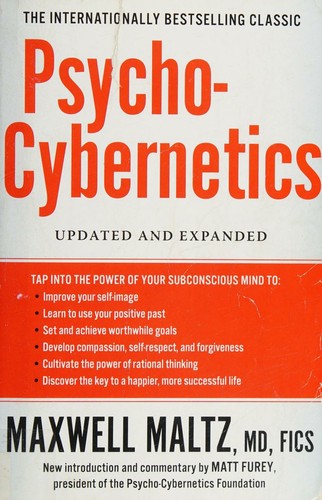
TL;DR: In Psycho-Cybernetics, plastic surgeon Maxwell Maltz argues that your self-image sets the limits of what you can achieve. Change the picture you hold of yourself, mainly through vivid mental rehearsal, and your behavior follows. He compares the mind to a goal-seeking machine that steers toward whatever target you give it.
First published in 1960, Psycho-Cybernetics is one of the founding texts of modern self-help, and it has influenced athletes, coaches and later authors from Zig Ziglar to Tony Robbins. Maltz noticed something strange in his surgical practice: some patients’ personalities transformed after surgery, while others still felt ugly even after a successful operation. He concluded that the inner self-image mattered more than the outer face.
Table of Contents
Psycho-Cybernetics at a Glance
| Detail | Info |
|---|---|
| Author | Maxwell Maltz, MD |
| Published | 1960 (many later editions) |
| Genre | Self-help / psychology |
| Structure | Chapters on the self-image, the success mechanism, imagination, happiness and overcoming failure patterns |
| Best for | Athletes, performers and anyone stuck in limiting beliefs about themselves |
What Is Psycho-Cybernetics About?
The word cybernetics refers to the study of control systems, like a guided missile that corrects its path toward a target. Maltz argued that the human mind works similarly. You set a goal, and an automatic mechanism adjusts your actions based on feedback. But that mechanism is guided by your self-image. If you see yourself as a failure, it steers you toward failure.
Key Ideas From Psycho-Cybernetics
The Self-Image Is the Key
Your self-image is your mental blueprint of the kind of person you are, built from past experiences, successes, failures and how others treated you. You act in line with it. Lasting change comes from changing the self-image, not just forcing new behavior.
The Success Mechanism
Maltz described a built-in success mechanism that works automatically once it has a clear target. Worrying or over-controlling interferes with it. Like riding a bike, skilled behavior works best when you trust the mechanism and let it run.
The Theater of the Mind
His most famous tool is mental rehearsal. He suggested spending about 30 minutes a day in a quiet place, vividly imagining yourself acting the way you want: calm, confident and successful. He believed the nervous system responds to vividly imagined experiences in ways similar to real ones, which is why rehearsal can build confidence.
Dehypnotize Yourself From False Beliefs
Many limiting beliefs, like I’m not a math person, were accepted uncritically, almost like hypnotic suggestions. Maltz encourages questioning these beliefs and replacing them with more accurate ones.
Happiness Is a Habit
Maltz argued that happiness is a mental habit you can practice by choosing your responses to events and focusing on goals rather than grievances.
Recognize the Failure Mechanism
He described a set of failure-type traits, including frustration, aggressiveness, insecurity, loneliness, uncertainty, resentment and emptiness, as warning signs that your mental steering is off course.
Where the 21-Day Idea Came From
Maltz observed that patients often needed a minimum of about 21 days to adjust to a changed appearance or a new mental image. This observation later became the popular myth that habits take 21 days to form. Later research, such as a 2009 study by Phillippa Lally and colleagues, found that forming a habit took an average of about 66 days, with wide variation.
5 Key Takeaways From Psycho-Cybernetics
- Your self-image sets your limits. Change it and your behavior changes.
- Give your mind clear targets. Goal-seeking works best with a specific aim.
- Rehearse success mentally. Vivid visualization builds familiarity and confidence.
- Question inherited beliefs. Many limits are assumptions you never examined.
- Be patient with change. New self-images take weeks, not days, to settle in.
Ideas Worth Remembering
- You act like the sort of person you believe yourself to be. (paraphrased)
- Imagination sets the goal; the mind works to reach it. (paraphrased)
- Happiness is a habit you can practice. (paraphrased)
What Do Critics Say?
Some of the book’s science is dated, and its claims about the nervous system are simplified. The 21-day idea is often misquoted. Still, visualization and mental rehearsal are widely used in sports psychology, and many readers find the book’s core message about self-image genuinely useful.
Who Should Read Psycho-Cybernetics?
It’s great for athletes, public speakers, salespeople and anyone who senses that their beliefs about themselves are holding them back. Readers who want modern, research-heavy self-help may prefer newer books, but this classic explains where many of those ideas started.
What to Read Next
- Mindset by Carol S. Dweck on how beliefs about ability shape success.
- Think and Grow Rich by Napoleon Hill, another classic on the power of belief.
- Atomic Habits by James Clear on identity-based habits.
Related: summary of Think and Grow Rich and 12 Rules for Life summary.
Frequently Asked Questions
What is the main idea of Psycho-Cybernetics?
The main idea is that your self-image controls your behavior and results. By changing how you see yourself, especially through mental rehearsal, you can change how you act and what you achieve.
Does Psycho-Cybernetics say habits take 21 days?
Maltz observed that people needed a minimum of about 21 days to adjust to changes. That observation was later simplified into the 21-day habit myth. Research suggests habits often take around two months or longer.
What is the theater of the mind?
It’s Maltz’s visualization exercise: spending time each day vividly imagining yourself behaving the way you want, to build a new self-image.