
Disclosure: As an Amazon Associate, Bookish Wisdom earns from qualifying purchases. This doesn't change our picks or your price.
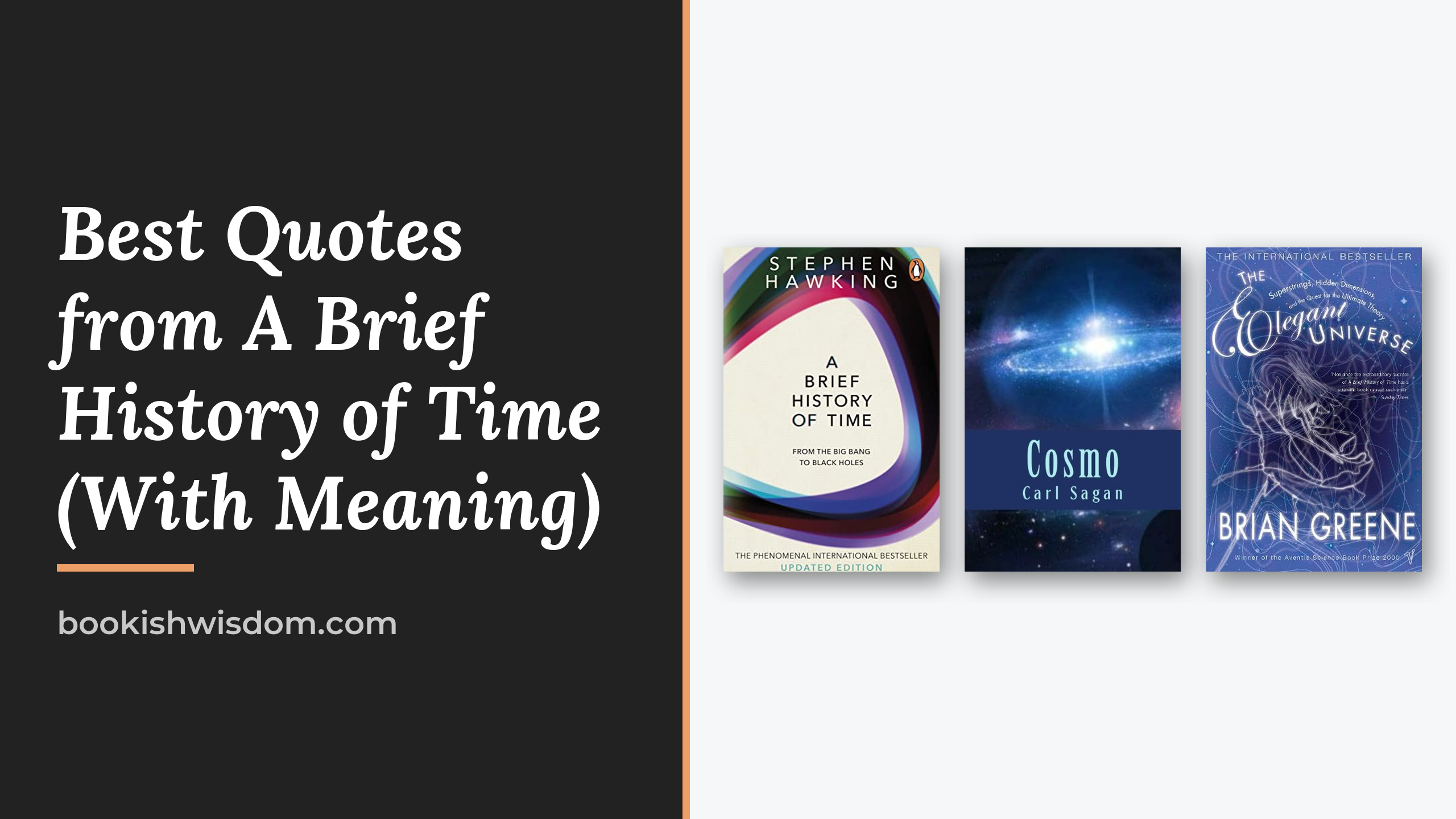
Quick answer: The best quotes from A Brief History of Time by Stephen Hawking include “Someone told me that each equation I included in the book would halve the sales.” and “it's turtles all the way down!” Below are 4 of the most memorable lines, with who says them, where they come from and what they mean.
Quick facts
- Book: A Brief History of Time by Stephen Hawking
- First published: 1988
- Quotes covered: 4
- Best for: essays, captions, book club talks and rereads
Table of Contents
What A Brief History of Time Is About
Physicist Stephen Hawking explains the biggest questions in cosmology for general readers: how the universe began, what time is, how black holes work and whether physics can be united in a single theory. He covers the Big Bang, relativity, quantum mechanics and the arrow of time with clear examples and almost no equations.
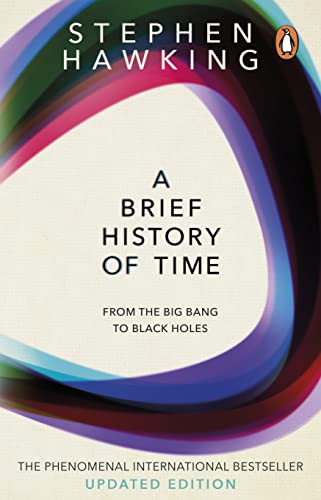
Check price of A Brief History of Time on Amazon
The Best Quotes from A Brief History of Time, Explained
1. “Someone told me that each equation I included in the book would halve the sales.”
Acknowledgments. Hawking explains why he included only one equation, E = mc2. The joke shows his aim of reaching ordinary readers.
2. “it's turtles all the way down!”
An old lady's reply, opening chapter. Hawking tells a story of a woman who claims the world sits on a tower of turtles. It shows how people have always imagined the universe.
3. “Ever since the dawn of civilization, people have not been content to see events as unconnected and inexplicable.”
Chapter 1. Hawking explains why humans seek understanding. Science is part of that ancient search.
4. “What is it that breathes fire into the equations and makes a universe for them to describe?”
Conclusion. Even a perfect theory leaves a mystery: why the universe exists at all.
Why These Lines Stay With Readers
A Brief History of Time spent years on bestseller lists and has sold more than twenty-five million copies. Hawking wrote it while living with motor neurone disease, which made his achievement even more inspiring. Its quotes are popular in discussions about curiosity, the limits of science and the joy of understanding. Many readers admit they did not finish it, but those who did found a clear guide to hard ideas.
How to Use These Quotes
- In an essay: introduce the quote, give its context in one sentence, then explain how it supports your point.
- For a book club: read one line aloud and ask whether everyone agrees with the speaker.
- For a caption or card: pick a short line and credit Stephen Hawking and A Brief History of Time.
- For a reread: look for the moment each line appears and notice what changes around it.
A Note on Quoting A Brief History of Time Accurately
Wording can differ slightly between editions, translations and film versions, and many lines shared online are paraphrased or misattributed. If you need an exact quote for an essay, check it against a printed copy of A Brief History of Time and note the edition and page number. The lines above are given as they appear in the book, not as they were changed for later adaptations.
When you quote in an essay, keep the quotation short and let your own explanation do most of the work. A good pattern is to name the speaker, place the line in the story, quote it and then spend two or three sentences on what it shows. Quotes from A Brief History of Time work best when they support a clear point about a character or theme, rather than standing alone.
Reading the Lines in Context
A quote often means more once you know where it falls in the story. Before using any of these lines, reread the surrounding page or two and ask what has just happened, who is listening and what the speaker wants. The same words can sound hopeful, ironic or desperate depending on that moment. Noticing this context is what turns a memorable line into real evidence for an argument about the book.
Discussion Questions
- Which quote above best sums up A Brief History of Time for you, and why?
- Do any of these lines mean something different once you know how the book ends?
- Which quote would you disagree with, and what would you say back?
If You Love the Writing in A Brief History of Time
-
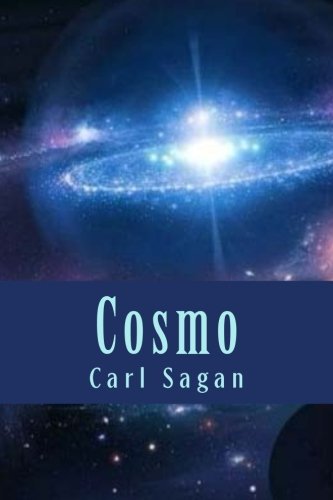
Cosmos by Carl Sagan
-
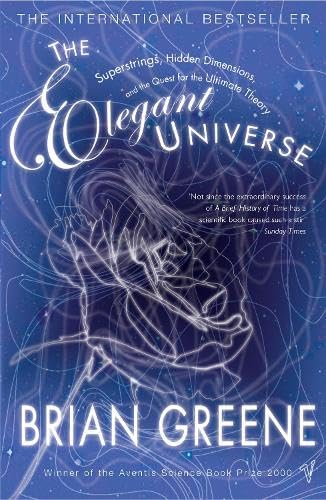
The Elegant Universe by Brian Greene
Related: A Brief History of Time by Stephen Hawking: Summary and Key Takeaways · 15 Books Like A Brief History of Time You’ll Love
Frequently Asked Questions
What is the most famous quote from A Brief History of Time?
One of the best-known lines is “Someone told me that each equation I included in the book would halve the sales.” (acknowledgments).
Who wrote A Brief History of Time?
A Brief History of Time was written by Stephen Hawking and first published in 1988.
Can I use quotes from A Brief History of Time in an essay?
Yes. Short quotations with clear credit to Stephen Hawking are standard in essays and reviews. Always explain the quote in your own words.
What should I read after A Brief History of Time?
Try Cosmos by Carl Sagan or The Elegant Universe by Brian Greene.