
Disclosure: As an Amazon Associate, Bookish Wisdom earns from qualifying purchases. This doesn't change our picks or your price.
Quick answer: The best quotes from Essentialism by Greg McKeown include “Essentialism is not about how to get more things done; it's about how to get the right things done.” and “Less but better.” Below are 4 of the most memorable lines, with who says them, where they come from and what they mean.
Quick facts
- Book: Essentialism by Greg McKeown
- First published: 2014
- Quotes covered: 4
- Best for: essays, captions, book club talks and rereads
Table of Contents
What Essentialism Is About
Leadership consultant Greg McKeown argues that most people feel overcommitted and underused because they try to do everything. His solution is Essentialism: deliberately identifying what really matters, eliminating the rest and making it easier to do the important things. The book explains how to explore options, say no gracefully and build routines that protect time.
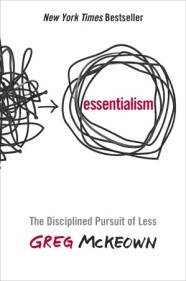
Check price of Essentialism on Amazon
The Best Quotes from Essentialism, Explained
1. “Essentialism is not about how to get more things done; it's about how to get the right things done.”
Chapter 1. McKeown makes clear that the goal is focus, not productivity. Doing less can achieve more.
2. “Less but better.”
Chapter 1. McKeown borrows this phrase from designer Dieter Rams. It sums up his whole approach.
3. “The way of the Essentialist means living by design, not by default.”
Chapter 1. Instead of reacting to others' demands, Essentialists choose deliberately.
4. “If you don't prioritize your life, someone else will.”
Chapter 1. If you don't decide what matters, other people's priorities will fill your time.
Why These Lines Stay With Readers
Essentialism became a bestseller and is popular with managers, entrepreneurs and anyone who feels overwhelmed. McKeown uses stories from business, sports and his own family life to show how saying no can be an act of courage. The book's short, punchy lines are widely shared on social media and in workplace training. The quotes are used to discuss priorities, boundaries, burnout and decision-making. McKeown later wrote a follow-up, Effortless, about making essential work easier. Readers often pair it with books about habits and deep work. Many say the most useful idea is that 'yes' to one thing always means 'no' to something else, so every commitment should be a conscious trade-off. McKeown also describes practical tools, such as the 90 percent rule for decisions: if an option scores below ninety out of a hundred, treat it as a zero. He suggests building buffers into plans, because tasks almost always take longer than expected. These concrete techniques explain why the book's quotes feel useful rather than just inspiring.
How to Use These Quotes
- In an essay: introduce the quote, give its context in one sentence, then explain how it supports your point.
- For a book club: read one line aloud and ask whether everyone agrees with the speaker.
- For a caption or card: pick a short line and credit Greg McKeown and Essentialism.
- For a reread: look for the moment each line appears and notice what changes around it.
A Note on Quoting Essentialism Accurately
Wording can differ slightly between editions, translations and film versions, and many lines shared online are paraphrased or misattributed. If you need an exact quote for an essay, check it against a printed copy of Essentialism and note the edition and page number. The lines above are given as they appear in the book, not as they were changed for later adaptations.
When you quote in an essay, keep the quotation short and let your own explanation do most of the work. A good pattern is to name the speaker, place the line in the story, quote it and then spend two or three sentences on what it shows. Quotes from Essentialism work best when they support a clear point about a character or theme, rather than standing alone.
Reading the Lines in Context
A quote often means more once you know where it falls in the story. Before using any of these lines, reread the surrounding page or two and ask what has just happened, who is listening and what the speaker wants. The same words can sound hopeful, ironic or desperate depending on that moment. Noticing this context is what turns a memorable line into real evidence for an argument about the book.
Discussion Questions
- Which quote above best sums up Essentialism for you, and why?
- Do any of these lines mean something different once you know how the book ends?
- Which quote would you disagree with, and what would you say back?
If You Love the Writing in Essentialism
-
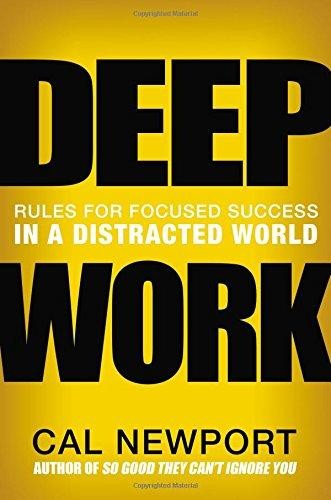
Deep Work by Cal Newport
-
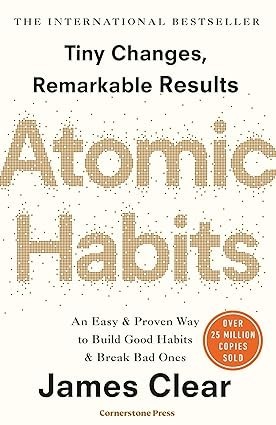
Atomic Habits by James Clear
Related: Essentialism by Greg McKeown: Summary and Key Takeaways · 15 Books Like Essentialism You’ll Love
Frequently Asked Questions
What is the most famous quote from Essentialism?
One of the best-known lines is “Essentialism is not about how to get more things done; it's about how to get the right things done.” (chapter 1).
Who wrote Essentialism?
Essentialism was written by Greg McKeown and first published in 2014.
Can I use quotes from Essentialism in an essay?
Yes. Short quotations with clear credit to Greg McKeown are standard in essays and reviews. Always explain the quote in your own words.
What should I read after Essentialism?
Try Deep Work by Cal Newport or Atomic Habits by James Clear.