
Disclosure: As an Amazon Associate, Bookish Wisdom earns from qualifying purchases. This doesn't change our picks or your price.
Quick answer: The best quotes from Far from the Madding Crowd by Thomas Hardy include “And at home by the fire, whenever you look up, there I shall be, and whenever I look up, there will be you.” and “I shall do one thing in this life, one thing certain, that is, love you, and long for you, and keep wanting you till I die.” Below are 4 of the most memorable lines, with who says them, where they come from and what they mean.
Quick facts
- Book: Far from the Madding Crowd by Thomas Hardy
- First published: 1874
- Quotes covered: 4
- Best for: essays, captions, book club talks and rereads
Table of Contents
What Far from the Madding Crowd Is About
Bathsheba Everdene, a proud and independent young woman, inherits a farm in the countryside of Wessex and decides to run it herself. Three very different men want to marry her: the loyal shepherd Gabriel Oak, the serious farmer William Boldwood and the dashing soldier Sergeant Francis Troy. Bathsheba's impulsive choices bring heartbreak, violence and ruin before she finally sees who truly loves her.
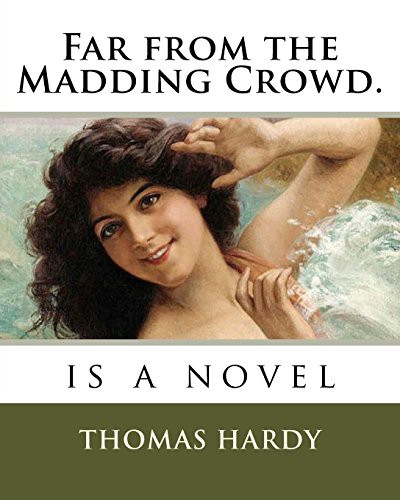
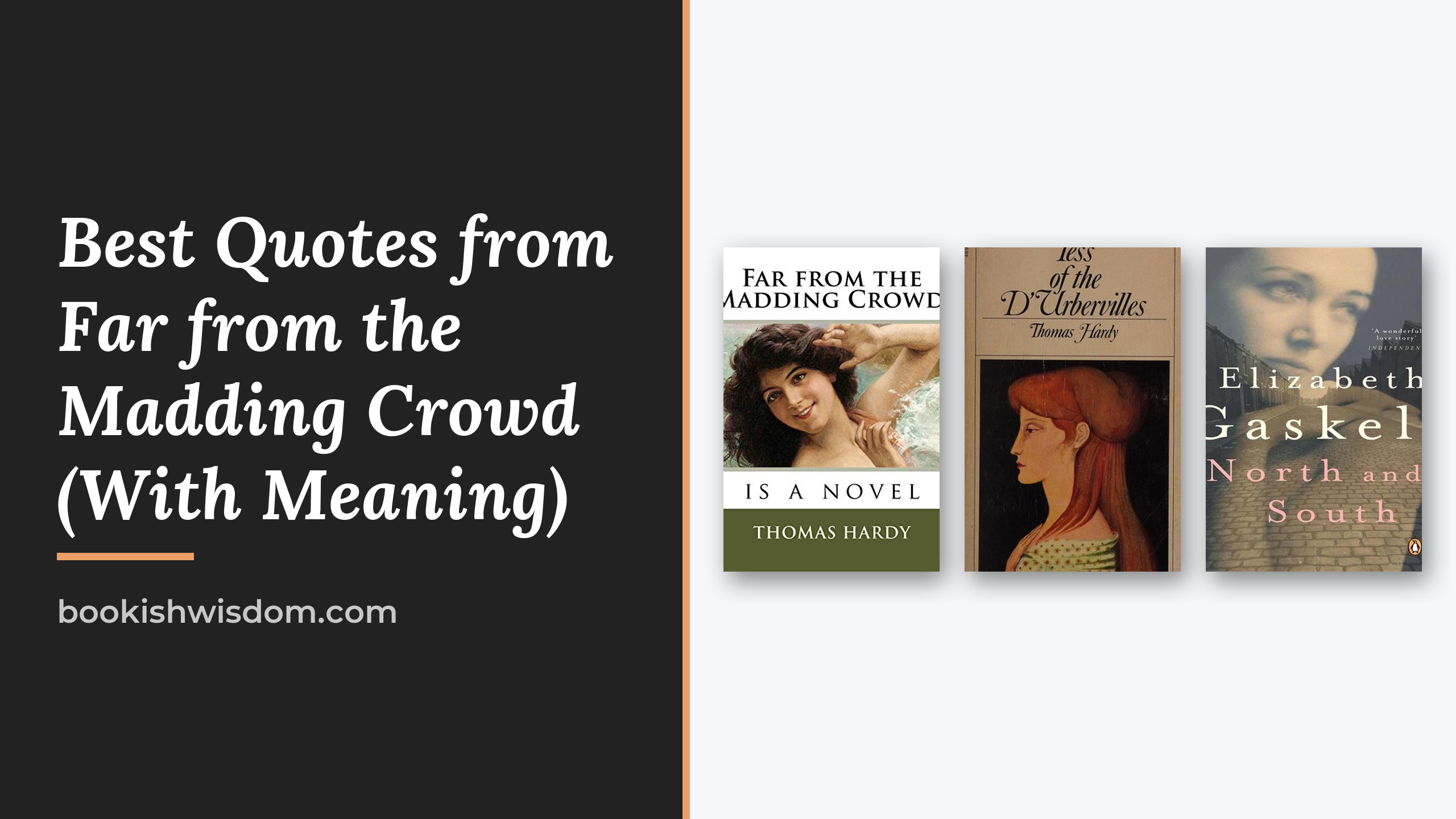
Check price of Far from the Madding Crowd on Amazon
The Best Quotes from Far from the Madding Crowd, Explained
1. “And at home by the fire, whenever you look up, there I shall be, and whenever I look up, there will be you.”
Gabriel Oak, proposing to Bathsheba. Gabriel's simple picture of married life is one of Hardy's most loved lines. It shows his steady, quiet kind of love.
2. “I shall do one thing in this life, one thing certain, that is, love you, and long for you, and keep wanting you till I die.”
Gabriel Oak. Gabriel promises lasting devotion even after Bathsheba turns him down. His patience is rewarded only at the very end.
3. “It is difficult for a woman to define her feelings in language which is chiefly made by men to express theirs.”
Bathsheba Everdene. Bathsheba explains why she struggles to answer Boldwood. The line is often quoted in discussions about gender and language.
4. “Bathsheba loved Troy in the way that only self-reliant women love when they abandon their self-reliance.”
The narrator. Hardy shows that Bathsheba's strength makes her fall all the harder. Her love for Troy is reckless because it is so unlike her usual self.
Why These Lines Stay With Readers
Far from the Madding Crowd was Hardy's first big success, and its lines about love, pride and patience are still quoted at weddings and in essays about Victorian women.
How to Use These Quotes
- In an essay: introduce the quote, give its context in one sentence, then explain how it supports your point.
- For a book club: read one line aloud and ask whether everyone agrees with the speaker.
- For a caption or card: pick a short line and credit Thomas Hardy and Far from the Madding Crowd.
- For a reread: look for the moment each line appears and notice what changes around it.
A Note on Quoting Far from the Madding Crowd Accurately
Wording can differ slightly between editions, translations and film versions, and many lines shared online are paraphrased or misattributed. If you need an exact quote for an essay, check it against a printed copy of Far from the Madding Crowd and note the edition and page number. The lines above are given as they appear in the book, not as they were changed for later adaptations.
When you quote in an essay, keep the quotation short and let your own explanation do most of the work. A good pattern is to name the speaker, place the line in the story, quote it and then spend two or three sentences on what it shows. Quotes from Far from the Madding Crowd work best when they support a clear point about a character or theme, rather than standing alone.
Reading the Lines in Context
A quote often means more once you know where it falls in the story. Before using any of these lines, reread the surrounding page or two and ask what has just happened, who is listening and what the speaker wants. The same words can sound hopeful, ironic or desperate depending on that moment. Noticing this context is what turns a memorable line into real evidence for an argument about the book.
Discussion Questions
- Which quote above best sums up Far from the Madding Crowd for you, and why?
- Do any of these lines mean something different once you know how the book ends?
- Which quote would you disagree with, and what would you say back?
If You Love the Writing in Far from the Madding Crowd
-
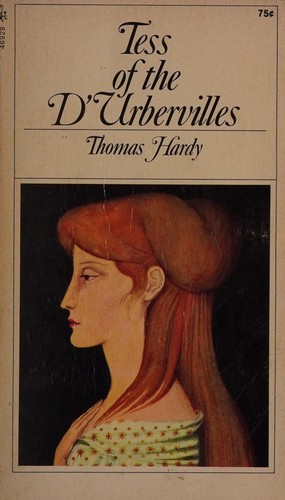
Tess of the d'Urbervilles by Thomas Hardy
-
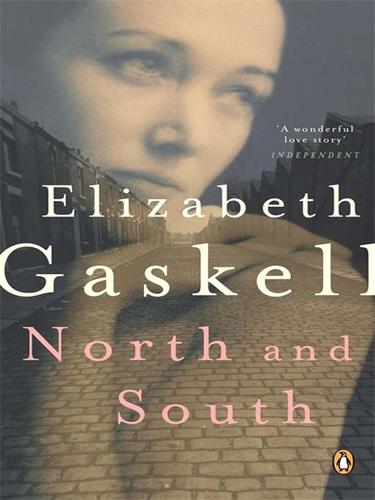
North and South by Elizabeth Gaskell
Related: Far from the Madding Crowd by Thomas Hardy: Summary and Key Takeaways · Far from the Madding Crowd Characters: A Complete Guide
Frequently Asked Questions
What is the most famous quote from Far from the Madding Crowd?
One of the best-known lines is “And at home by the fire, whenever you look up, there I shall be, and whenever I look up, there will be you.” (gabriel Oak, proposing to Bathsheba).
Who wrote Far from the Madding Crowd?
Far from the Madding Crowd was written by Thomas Hardy and first published in 1874.
Can I use quotes from Far from the Madding Crowd in an essay?
Yes. Short quotations with clear credit to Thomas Hardy are standard in essays and reviews. Always explain the quote in your own words.
What should I read after Far from the Madding Crowd?
Try Tess of the d'Urbervilles by Thomas Hardy or North and South by Elizabeth Gaskell.