
Disclosure: As an Amazon Associate, Bookish Wisdom earns from qualifying purchases. This doesn't change our picks or your price.
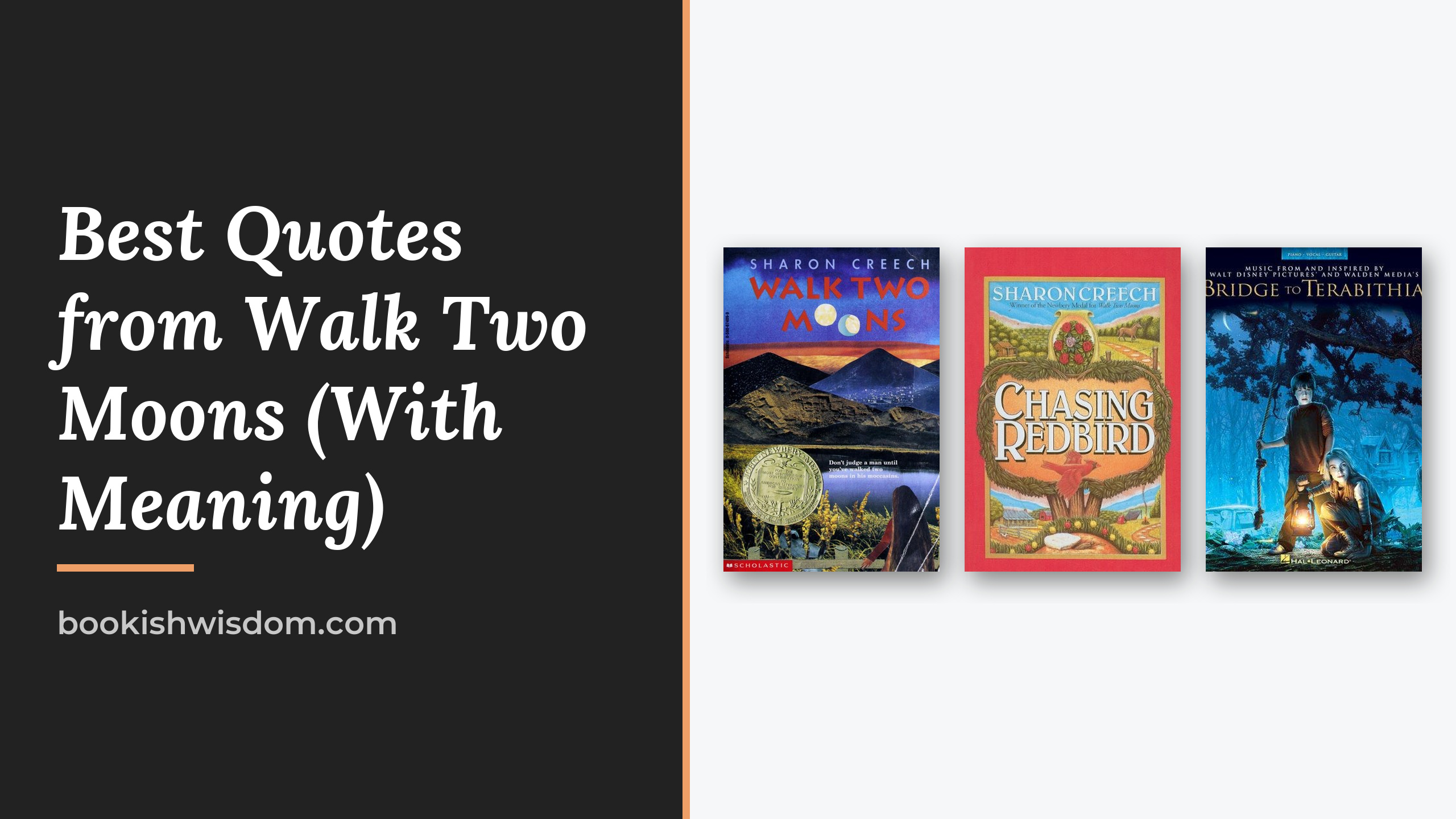
Quick answer: The best quotes from Walk Two Moons by Sharon Creech include “Don't judge a man until you've walked two moons in his moccasins.” and “Everyone has his own agenda.” Below are 5 of the most memorable lines, with who says them, where they come from and what they mean.
Quick facts
- Book: Walk Two Moons by Sharon Creech
- First published: 1994
- Quotes covered: 5
- Best for: essays, captions, book club talks and rereads
Table of Contents
What Walk Two Moons Is About
Thirteen-year-old Salamanca Tree Hiddle sets off on a six-day road trip from Ohio to Lewiston, Idaho, with her lively grandparents, hoping to reach her mother, who left home months earlier. To pass the time, Sal tells them the strange story of her friend Phoebe Winterbottom, whose mother has also disappeared. As the two stories unfold side by side, Sal slowly faces the truth about her own mother. It won the Newbery Medal in 1995.
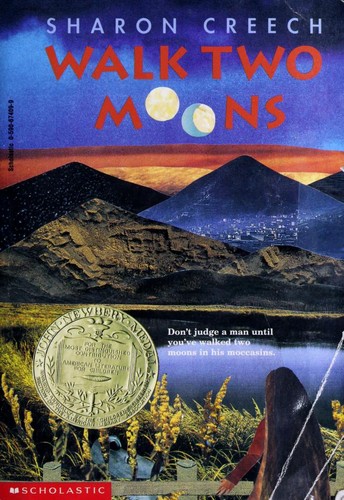
Check price of Walk Two Moons on Amazon
The Best Quotes from Walk Two Moons, Explained
1. “Don't judge a man until you've walked two moons in his moccasins.”
A message left on Phoebe's porch. This saying gives the book its title. It asks readers to understand someone's life before judging them, which is exactly what Sal learns to do with Phoebe, her father and herself.
2. “Everyone has his own agenda.”
Another mysterious message. The notes left for Phoebe's family remind Sal that people are busy with their own worries. It helps explain why adults sometimes act in confusing ways.
3. “In the course of a lifetime, what does it matter?”
A third message. The line invites readers to keep small troubles in perspective. Sal uses it to think about which worries really count.
4. “You can't keep the birds of sadness from flying over your head, but you can keep them from nesting in your hair.”
A saying Sal remembers. Sadness will come, but you do not have to let it take over. The image is gentle and easy for young readers to remember.
5. “Huzza, huzza!”
Gram's favorite cry. Gram shouts this when something delights her. It shows the joy and humor that balance the book's sad themes.
Why These Lines Stay With Readers
Walk Two Moons is a favorite in classrooms because its short, memorable sayings carry big ideas about empathy, grief and growing up. Creech hides clues to Sal's loss throughout the story, so many quotes gain new meaning on a second read. The messages on Phoebe's porch work almost like a set of life lessons, and teachers often use them as writing prompts. Gram and Gramps add humor and warmth, which keeps a story about loss from becoming too heavy for middle-grade readers. That balance is why the book's lines are quoted in so many reading journals and essays.
How to Use These Quotes
- In an essay: introduce the quote, give its context in one sentence, then explain how it supports your point.
- For a book club: read one line aloud and ask whether everyone agrees with the speaker.
- For a caption or card: pick a short line and credit Sharon Creech and Walk Two Moons.
- For a reread: look for the moment each line appears and notice what changes around it.
A Note on Quoting Walk Two Moons Accurately
Wording can differ slightly between editions, translations and film versions, and many lines shared online are paraphrased or misattributed. If you need an exact quote for an essay, check it against a printed copy of Walk Two Moons and note the edition and page number. The lines above are given as they appear in the book, not as they were changed for later adaptations.
When you quote in an essay, keep the quotation short and let your own explanation do most of the work. A good pattern is to name the speaker, place the line in the story, quote it and then spend two or three sentences on what it shows. Quotes from Walk Two Moons work best when they support a clear point about a character or theme, rather than standing alone.
Reading the Lines in Context
A quote often means more once you know where it falls in the story. Before using any of these lines, reread the surrounding page or two and ask what has just happened, who is listening and what the speaker wants. The same words can sound hopeful, ironic or desperate depending on that moment. Noticing this context is what turns a memorable line into real evidence for an argument about the book.
Discussion Questions
- Which quote above best sums up Walk Two Moons for you, and why?
- Do any of these lines mean something different once you know how the book ends?
- Which quote would you disagree with, and what would you say back?
If You Love the Writing in Walk Two Moons
-
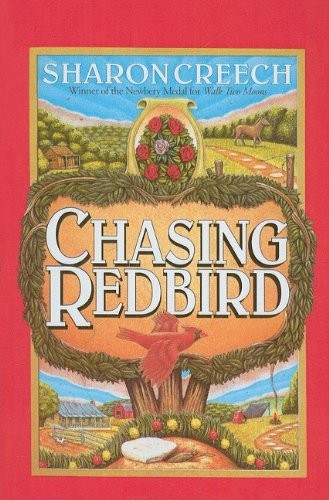
Chasing Redbird by Sharon Creech
-
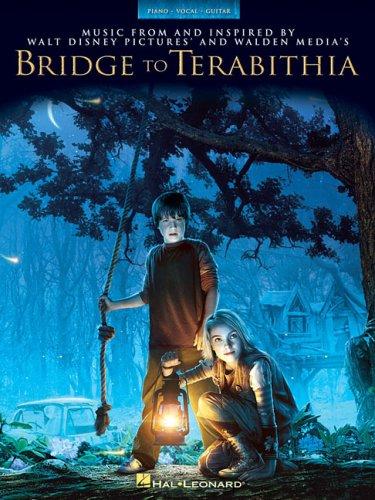
Bridge to Terabithia by Katherine Paterson
Related: Walk Two Moons by Sharon Creech: Summary and Key Takeaways · Themes in Walk Two Moons Explained
Frequently Asked Questions
What is the most famous quote from Walk Two Moons?
One of the best-known lines is “Don't judge a man until you've walked two moons in his moccasins.” (a message left on Phoebe's porch).
Who wrote Walk Two Moons?
Walk Two Moons was written by Sharon Creech and first published in 1994.
Can I use quotes from Walk Two Moons in an essay?
Yes. Short quotations with clear credit to Sharon Creech are standard in essays and reviews. Always explain the quote in your own words.
What should I read after Walk Two Moons?
Try Chasing Redbird by Sharon Creech or Bridge to Terabithia by Katherine Paterson.