
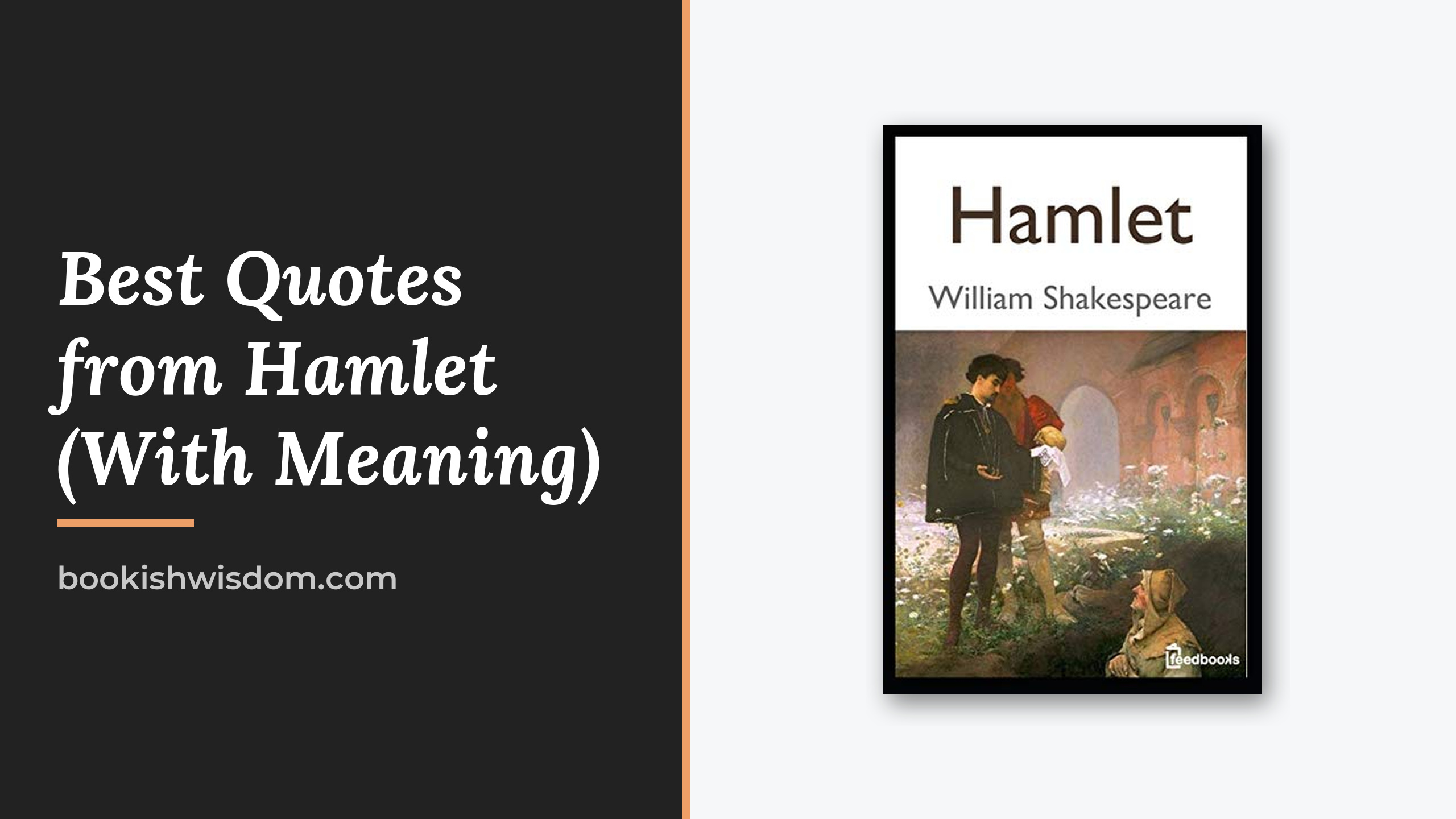
Disclosure: As an Amazon Associate, Bookish Wisdom earns from qualifying purchases. This doesn't change our picks or your price.
Quick answer: The best quotes from Hamlet by William Shakespeare include “To be, or not to be, that is the question.” and “This above all: to thine own self be true.” Below are 6 of the most memorable lines, with who says them, where they come from and what they mean.
Quick facts
- Book: Hamlet by William Shakespeare
- First published: 1603
- Quotes covered: 6
- Best for: essays, captions, book club talks and rereads
Table of Contents
What Hamlet Is About
Prince Hamlet of Denmark returns home to find his father dead and his mother, Gertrude, already married to his uncle Claudius, the new king. The ghost of Hamlet's father appears and tells him that Claudius murdered him. Hamlet swears revenge, but he delays, pretending to be mad while he tests the truth. His hesitation leads to the deaths of Polonius, Ophelia, Laertes and others before the final duel.
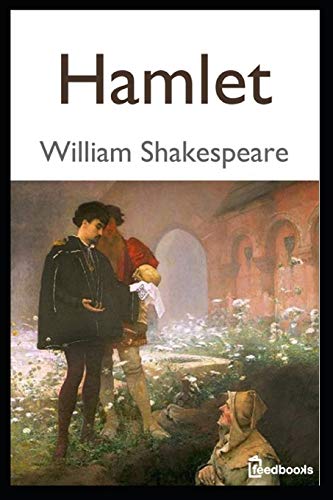
Check price of Hamlet on Amazon
The Best Quotes from Hamlet, Explained
1. “To be, or not to be, that is the question.”
Hamlet's famous soliloquy. Hamlet wonders whether it is better to live with suffering or to end it. It is the most famous line in English drama, and it sums up the play's interest in thought, doubt and action.
2. “This above all: to thine own self be true.”
Polonius, advising his son Laertes. Polonius gives a list of advice, most of it ordinary, but this line has become a motto. It means being honest with yourself, which many readers find ironic coming from a scheming character.
3. “Something is rotten in the state of Denmark.”
Marcellus, a guard. Marcellus senses that something is wrong in the kingdom after seeing the ghost. The phrase is still used when something seems corrupt.
4. “There is nothing either good or bad, but thinking makes it so.”
Hamlet, to Rosencrantz and Guildenstern. Hamlet says that our view of things shapes how we experience them. The idea anticipates modern ideas about mindset.
5. “The lady doth protest too much, methinks.”
Gertrude, watching the play within the play. Gertrude means that the player queen promises too much to be believed. Today the phrase describes someone whose strong denial suggests the opposite.
6. “The rest is silence.”
Hamlet's final words. After so much talk and thought, Hamlet dies with a short, quiet line. It ends the play with great dignity.
Why These Lines Stay With Readers
Hamlet has given English more famous phrases than almost any other work. Its lines about doubt, honesty and action still feel modern, which is why it is performed and quoted constantly.
How to Use These Quotes
- In an essay: introduce the quote, give its context in one sentence, then explain how it supports your point.
- For a book club: read one line aloud and ask whether everyone agrees with the speaker.
- For a caption or card: pick a short line and credit William Shakespeare and Hamlet.
- For a reread: look for the moment each line appears and notice what changes around it.
A Note on Quoting Hamlet Accurately
Wording can differ slightly between editions, translations and film versions, and many lines shared online are paraphrased or misattributed. If you need an exact quote for an essay, check it against a printed copy of Hamlet and note the edition and page number. The lines above are given as they appear in the book, not as they were changed for later adaptations.
When you quote in an essay, keep the quotation short and let your own explanation do most of the work. A good pattern is to name the speaker, place the line in the story, quote it and then spend two or three sentences on what it shows. Quotes from Hamlet work best when they support a clear point about a character or theme, rather than standing alone.
Discussion Questions
- Which quote above best sums up Hamlet for you, and why?
- Do any of these lines mean something different once you know how the book ends?
- Which quote would you disagree with, and what would you say back?
If You Love the Writing in Hamlet
Related: Hamlet by William Shakespeare: Summary and Key Takeaways · Themes in Hamlet Explained
Frequently Asked Questions
What is the most famous quote from Hamlet?
One of the best-known lines is “To be, or not to be, that is the question.” (hamlet's famous soliloquy).
Who wrote Hamlet?
Hamlet was written by William Shakespeare and first published in 1603.
Can I use quotes from Hamlet in an essay?
Yes. Short quotations with clear credit to William Shakespeare are standard in essays and reviews. Always explain the quote in your own words.
What should I read after Hamlet?
Try Macbeth by William Shakespeare or King Lear by William Shakespeare.