
Disclosure: As an Amazon Associate, Bookish Wisdom earns from qualifying purchases. This doesn't change our picks or your price.
Quick answer: The best quotes from Hatchet by Gary Paulsen include “Brian Robeson stared out the window of the small plane at the endless green northern wilderness below.” and “You are your most valuable asset. Don't forget that. You are the best thing you have.” Below are 4 of the most memorable lines, with who says them, where they come from and what they mean.
Quick facts
- Book: Hatchet by Gary Paulsen
- First published: 1987
- Quotes covered: 4
- Best for: essays, captions, book club talks and rereads
Table of Contents
What Hatchet Is About
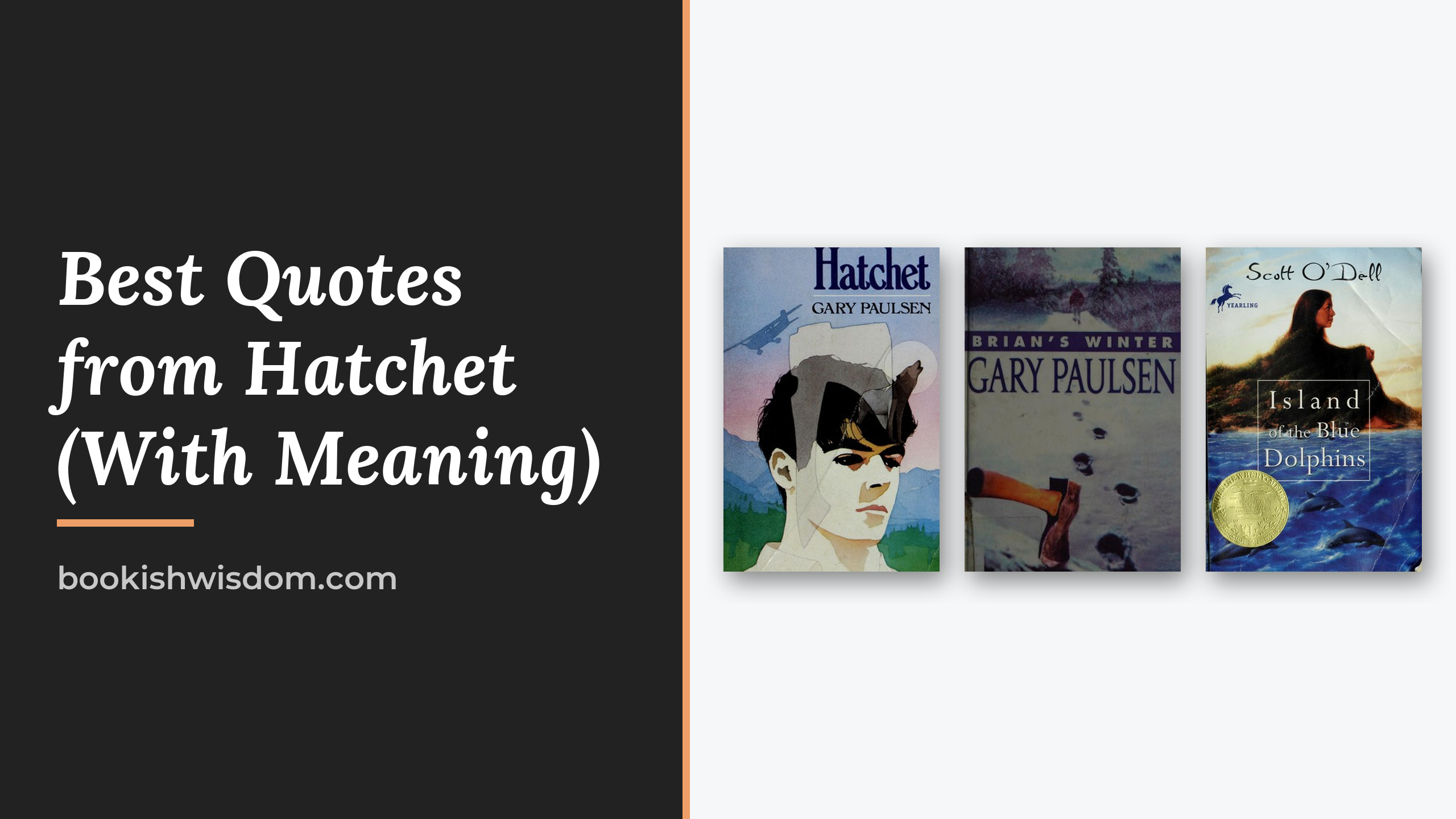
Thirteen-year-old Brian Robeson is flying in a small plane to visit his father in the Canadian north when the pilot has a heart attack. The plane crashes into a lake, and Brian is left alone in the wilderness with only the clothes he wears and a hatchet his mother gave him. Over fifty-four days, he learns to make fire, hunt and survive.
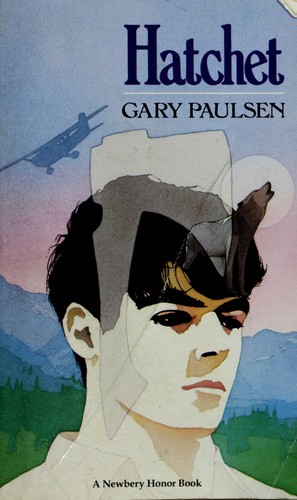
Check price of Hatchet on Amazon
The Best Quotes from Hatchet, Explained
1. “Brian Robeson stared out the window of the small plane at the endless green northern wilderness below.”
Opening line. Brian's first view of the wilderness is calm, before disaster strikes.
2. “You are your most valuable asset. Don't forget that. You are the best thing you have.”
Perpich, Brian's teacher. Brian remembers his English teacher's advice. It helps him believe in himself.
3. “Patience, he thought. So much of this was patience, waiting and thinking and doing things right.”
Brian. Brian learns that survival depends on patience as much as courage.
4. “feeling sorry for yourself didn't work”
Brian. After crying in despair, Brian realizes that self-pity won't help him survive.
Why These Lines Stay With Readers
Hatchet won a Newbery Honor and is one of the most popular survival stories for young readers. Paulsen drew on his own experiences hunting, trapping and racing sled dogs. The quotes are used to discuss resilience, patience, self-reliance and nature. Brian's story continues in several sequels, including The River and Brian's Winter. Many teachers use it to start survival projects. Brian's growing skills, from making fire with the hatchet to building a fish trap, are described in careful detail, so readers learn real survival ideas. The book also deals honestly with Brian's anger about his parents' divorce and the secret he keeps about his mother. Paulsen said he wrote the book after surviving dangerous situations in the north woods himself. Its short chapters and vivid action make it a favorite with reluctant readers.
How to Use These Quotes
- In an essay: introduce the quote, give its context in one sentence, then explain how it supports your point.
- For a book club: read one line aloud and ask whether everyone agrees with the speaker.
- For a caption or card: pick a short line and credit Gary Paulsen and Hatchet.
- For a reread: look for the moment each line appears and notice what changes around it.
A Note on Quoting Hatchet Accurately
Wording can differ slightly between editions, translations and film versions, and many lines shared online are paraphrased or misattributed. If you need an exact quote for an essay, check it against a printed copy of Hatchet and note the edition and page number. The lines above are given as they appear in the book, not as they were changed for later adaptations.
When you quote in an essay, keep the quotation short and let your own explanation do most of the work. A good pattern is to name the speaker, place the line in the story, quote it and then spend two or three sentences on what it shows. Quotes from Hatchet work best when they support a clear point about a character or theme, rather than standing alone.
Reading the Lines in Context
A quote often means more once you know where it falls in the story. Before using any of these lines, reread the surrounding page or two and ask what has just happened, who is listening and what the speaker wants. The same words can sound hopeful, ironic or desperate depending on that moment. Noticing this context is what turns a memorable line into real evidence for an argument about the book.
Discussion Questions
- Which quote above best sums up Hatchet for you, and why?
- Do any of these lines mean something different once you know how the book ends?
- Which quote would you disagree with, and what would you say back?
If You Love the Writing in Hatchet
-
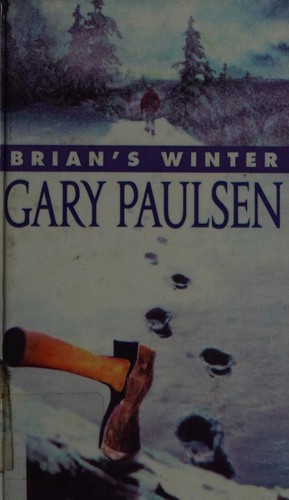
Brian's Winter by Gary Paulsen
-
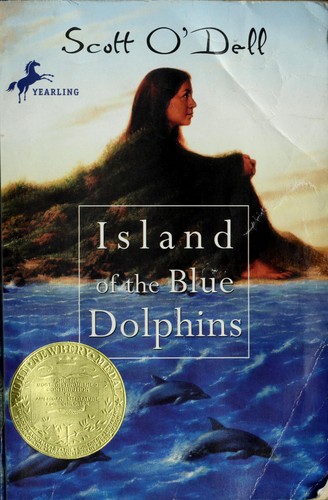
Island of the Blue Dolphins by Scott O'Dell
Related: Hatchet by Gary Paulsen: Summary and Key Takeaways · Themes in Hatchet Explained
Frequently Asked Questions
What is the most famous quote from Hatchet?
One of the best-known lines is “Brian Robeson stared out the window of the small plane at the endless green northern wilderness below.” (opening line).
Who wrote Hatchet?
Hatchet was written by Gary Paulsen and first published in 1987.
Can I use quotes from Hatchet in an essay?
Yes. Short quotations with clear credit to Gary Paulsen are standard in essays and reviews. Always explain the quote in your own words.
What should I read after Hatchet?
Try Brian's Winter by Gary Paulsen or Island of the Blue Dolphins by Scott O'Dell.