
Disclosure: As an Amazon Associate, Bookish Wisdom earns from qualifying purchases. This doesn't change our picks or your price.
Quick answer: The best quotes from How to Stop Worrying and Start Living by Dale Carnegie include “Live in day-tight compartments.” and “Our fatigue is often caused not by work, but by worry, frustration and resentment.” Below are 5 of the most memorable lines, with who says them, where they come from and what they mean.
Quick facts
- Book: How to Stop Worrying and Start Living by Dale Carnegie
- First published: 1948
- Quotes covered: 5
- Best for: essays, captions, book club talks and rereads
Table of Contents
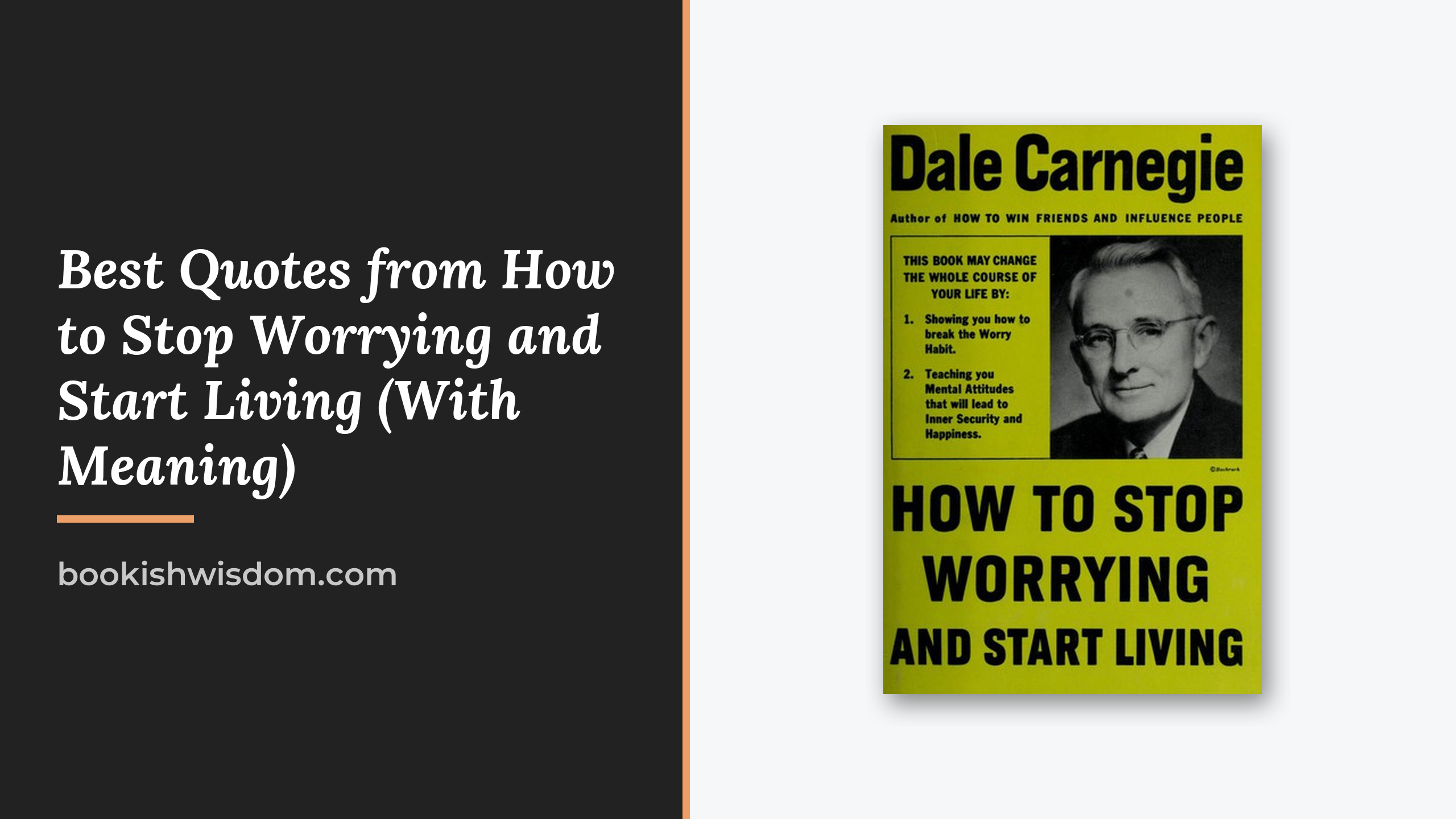
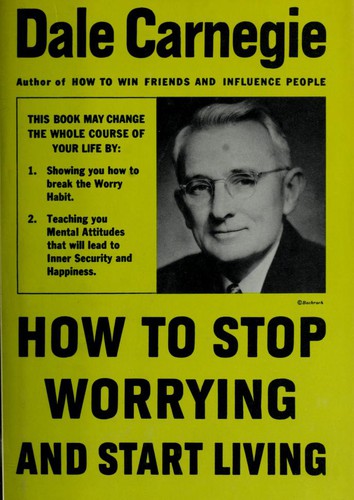
What How to Stop Worrying and Start Living Is About
Dale Carnegie, author of How to Win Friends and Influence People, wrote this practical guide to beating anxiety. Using stories from his students, famous people and his own life, he offers simple techniques for handling worry, such as living in the present, accepting what cannot be changed, keeping busy and analyzing problems step by step. The book has sold millions of copies and remains a popular introduction to managing stress.
Check price of How to Stop Worrying and Start Living on Amazon
The Best Quotes from How to Stop Worrying and Start Living, Explained
1. “Live in day-tight compartments.”
Carnegie's first rule. Carnegie urges readers to shut out yesterday and tomorrow and focus on today. The idea is similar to modern advice about mindfulness.
2. “Our fatigue is often caused not by work, but by worry, frustration and resentment.”
Carnegie. Carnegie argues that emotional stress tires us more than hard work. Many readers find the line rings true.
3. “If you have a lemon, make a lemonade.”
Carnegie. Carnegie popularized this saying about turning bad situations into good ones. It encourages a positive attitude toward setbacks.
4. “Don't saw sawdust.”
Carnegie. Sawing sawdust means going over things that are already finished. Carnegie warns readers not to waste energy on past mistakes.
5. “Cooperate with the inevitable.”
Carnegie. Some things cannot be changed. Accepting them saves energy for what can.
Why These Lines Stay With Readers
Carnegie's advice is simple, which is why it lasts. Many of his lines have become everyday sayings, and they are still used in self-help and workplace training.
How to Use These Quotes
- In an essay: introduce the quote, give its context in one sentence, then explain how it supports your point.
- For a book club: read one line aloud and ask whether everyone agrees with the speaker.
- For a caption or card: pick a short line and credit Dale Carnegie and How to Stop Worrying and Start Living.
- For a reread: look for the moment each line appears and notice what changes around it.
A Note on Quoting How to Stop Worrying and Start Living Accurately
Wording can differ slightly between editions, translations and film versions, and many lines shared online are paraphrased or misattributed. If you need an exact quote for an essay, check it against a printed copy of How to Stop Worrying and Start Living and note the edition and page number. The lines above are given as they appear in the book, not as they were changed for later adaptations.
When you quote in an essay, keep the quotation short and let your own explanation do most of the work. A good pattern is to name the speaker, place the line in the story, quote it and then spend two or three sentences on what it shows. Quotes from How to Stop Worrying and Start Living work best when they support a clear point about a character or theme, rather than standing alone.
Discussion Questions
- Which quote above best sums up How to Stop Worrying and Start Living for you, and why?
- Do any of these lines mean something different once you know how the book ends?
- Which quote would you disagree with, and what would you say back?
If You Love the Writing in How to Stop Worrying and Start Living
- How to Win Friends and Influence People by Dale Carnegie
- Atomic Habits by James Clear
Related: How to Stop Worrying and Start Living by Dale Carnegie: Summary and Key Takeaways · How to Win Friends and Influence People by Dale Carnegie: Summary and Key Takeaways
Frequently Asked Questions
What is the most famous quote from How to Stop Worrying and Start Living?
One of the best-known lines is “Live in day-tight compartments.” (carnegie's first rule).
Who wrote How to Stop Worrying and Start Living?
How to Stop Worrying and Start Living was written by Dale Carnegie and first published in 1948.
Can I use quotes from How to Stop Worrying and Start Living in an essay?
Yes. Short quotations with clear credit to Dale Carnegie are standard in essays and reviews. Always explain the quote in your own words.
What should I read after How to Stop Worrying and Start Living?
Try How to Win Friends and Influence People by Dale Carnegie or Atomic Habits by James Clear.