
Disclosure: As an Amazon Associate, Bookish Wisdom earns from qualifying purchases. This doesn't change our picks or your price.
Quick answer: The best quotes from Just So Stories by Rudyard Kipling include “In the High and Far-Off Times the Elephant, O Best Beloved, had no trunk.” and “He was full of 'satiable curtiosity.” Below are 5 of the most memorable lines, with who says them, where they come from and what they mean.
Quick facts
- Book: Just So Stories by Rudyard Kipling
- First published: 1902
- Quotes covered: 5
- Best for: essays, captions, book club talks and rereads
Table of Contents
What Just So Stories Is About
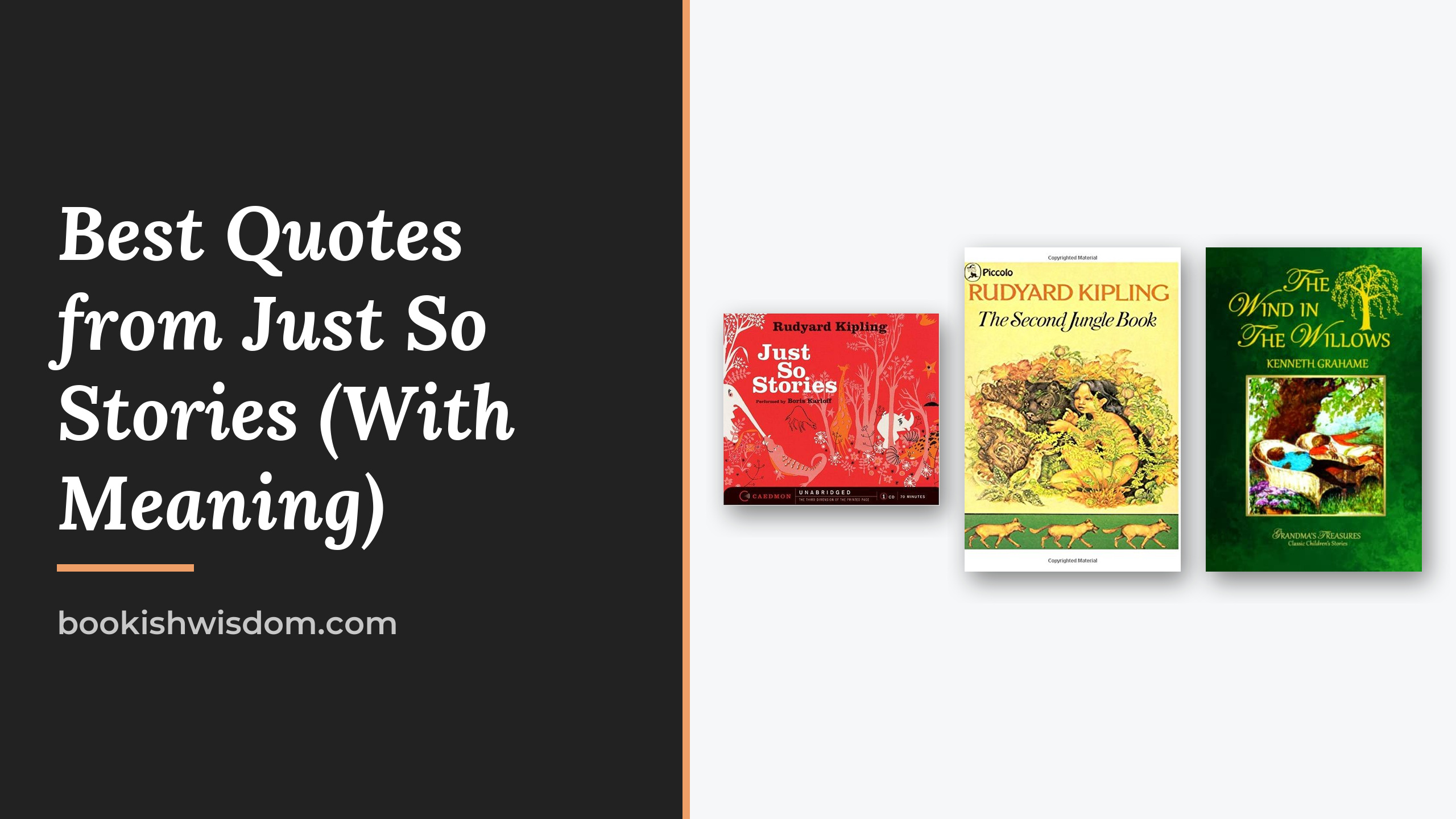
Just So Stories is a collection of playful tales Kipling first told to his daughter Josephine. Each story explains, in a fanciful way, how an animal got its special feature: how the Elephant got his trunk, how the Leopard got his spots, how the Camel got his hump and how the Rhinoceros got his skin. Kipling illustrated the book himself and wrote it in a warm, rhythmic voice made for reading aloud.
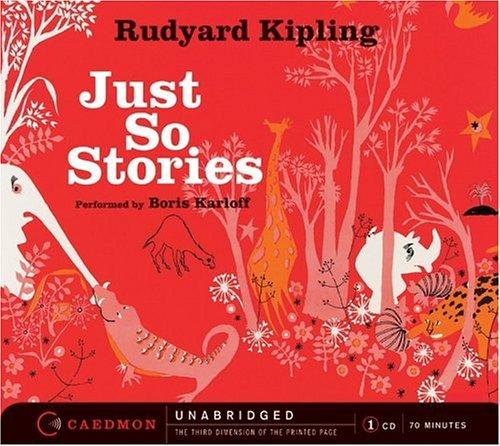
Check price of Just So Stories on Amazon
The Best Quotes from Just So Stories, Explained
1. “In the High and Far-Off Times the Elephant, O Best Beloved, had no trunk.”
The Elephant's Child. Kipling begins the story by speaking to his listener as O Best Beloved, a phrase that runs through the book and makes it feel like a bedtime story.
2. “He was full of 'satiable curtiosity.”
The Elephant's Child. The young elephant cannot stop asking questions. The playful misspelling of insatiable curiosity is one of the book's most loved phrases.
3. “The great grey-green, greasy Limpopo River, all set about with fever-trees.”
The Elephant's Child. This repeated description is a favorite for reading aloud. Its rhythm and sounds make children want to say it again.
4. “I keep six honest serving-men / (They taught me all I knew); / Their names are What and Why and When / And How and Where and Who.”
Poem after The Elephant's Child. Kipling celebrates curiosity through the six questions. Teachers still use these lines to encourage good questioning.
5. “I am the Cat who walks by himself, and all places are alike to me.”
The Cat That Walked by Himself. The cat insists on his independence. The refrain captures the proud nature of cats in a way readers recognize.
Why These Lines Stay With Readers
Just So Stories has delighted children for more than a century because it treats big questions with humor and wonder. Kipling's playful language, repeated phrases and direct address to the listener make it a natural read-aloud. Teachers also use the stories to inspire children to write their own how-it-came-to-be tales. Some older stories reflect attitudes of their time, so modern editions sometimes include notes for parents.
How to Use These Quotes
- In an essay: introduce the quote, give its context in one sentence, then explain how it supports your point.
- For a book club: read one line aloud and ask whether everyone agrees with the speaker.
- For a caption or card: pick a short line and credit Rudyard Kipling and Just So Stories.
- For a reread: look for the moment each line appears and notice what changes around it.
A Note on Quoting Just So Stories Accurately
Wording can differ slightly between editions, translations and film versions, and many lines shared online are paraphrased or misattributed. If you need an exact quote for an essay, check it against a printed copy of Just So Stories and note the edition and page number. The lines above are given as they appear in the book, not as they were changed for later adaptations.
When you quote in an essay, keep the quotation short and let your own explanation do most of the work. A good pattern is to name the speaker, place the line in the story, quote it and then spend two or three sentences on what it shows. Quotes from Just So Stories work best when they support a clear point about a character or theme, rather than standing alone.
Reading the Lines in Context
A quote often means more once you know where it falls in the story. Before using any of these lines, reread the surrounding page or two and ask what has just happened, who is listening and what the speaker wants. The same words can sound hopeful, ironic or desperate depending on that moment. Noticing this context is what turns a memorable line into real evidence for an argument about the book.
Discussion Questions
- Which quote above best sums up Just So Stories for you, and why?
- Do any of these lines mean something different once you know how the book ends?
- Which quote would you disagree with, and what would you say back?
If You Love the Writing in Just So Stories
-
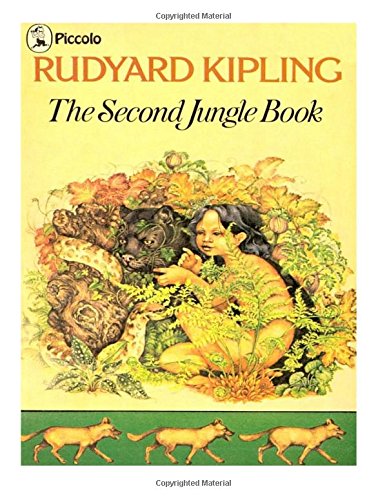
The Jungle Book by Rudyard Kipling
-
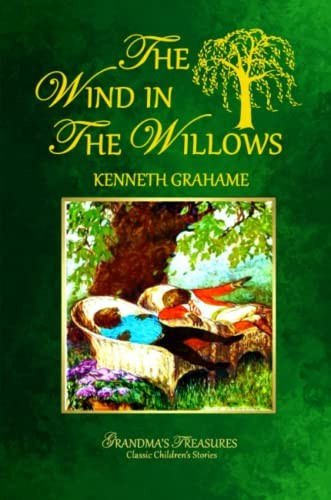
The Wind in the Willows by Kenneth Grahame
Related: The Jungle Book by Rudyard Kipling: Summary and Key Takeaways · The Wind in the Willows by Kenneth Grahame: Summary and Key Takeaways
Frequently Asked Questions
What is the most famous quote from Just So Stories?
One of the best-known lines is “In the High and Far-Off Times the Elephant, O Best Beloved, had no trunk.” (the Elephant's Child).
Who wrote Just So Stories?
Just So Stories was written by Rudyard Kipling and first published in 1902.
Can I use quotes from Just So Stories in an essay?
Yes. Short quotations with clear credit to Rudyard Kipling are standard in essays and reviews. Always explain the quote in your own words.
What should I read after Just So Stories?
Try The Jungle Book by Rudyard Kipling or The Wind in the Willows by Kenneth Grahame.