
Disclosure: As an Amazon Associate, Bookish Wisdom earns from qualifying purchases. This doesn't change our picks or your price.
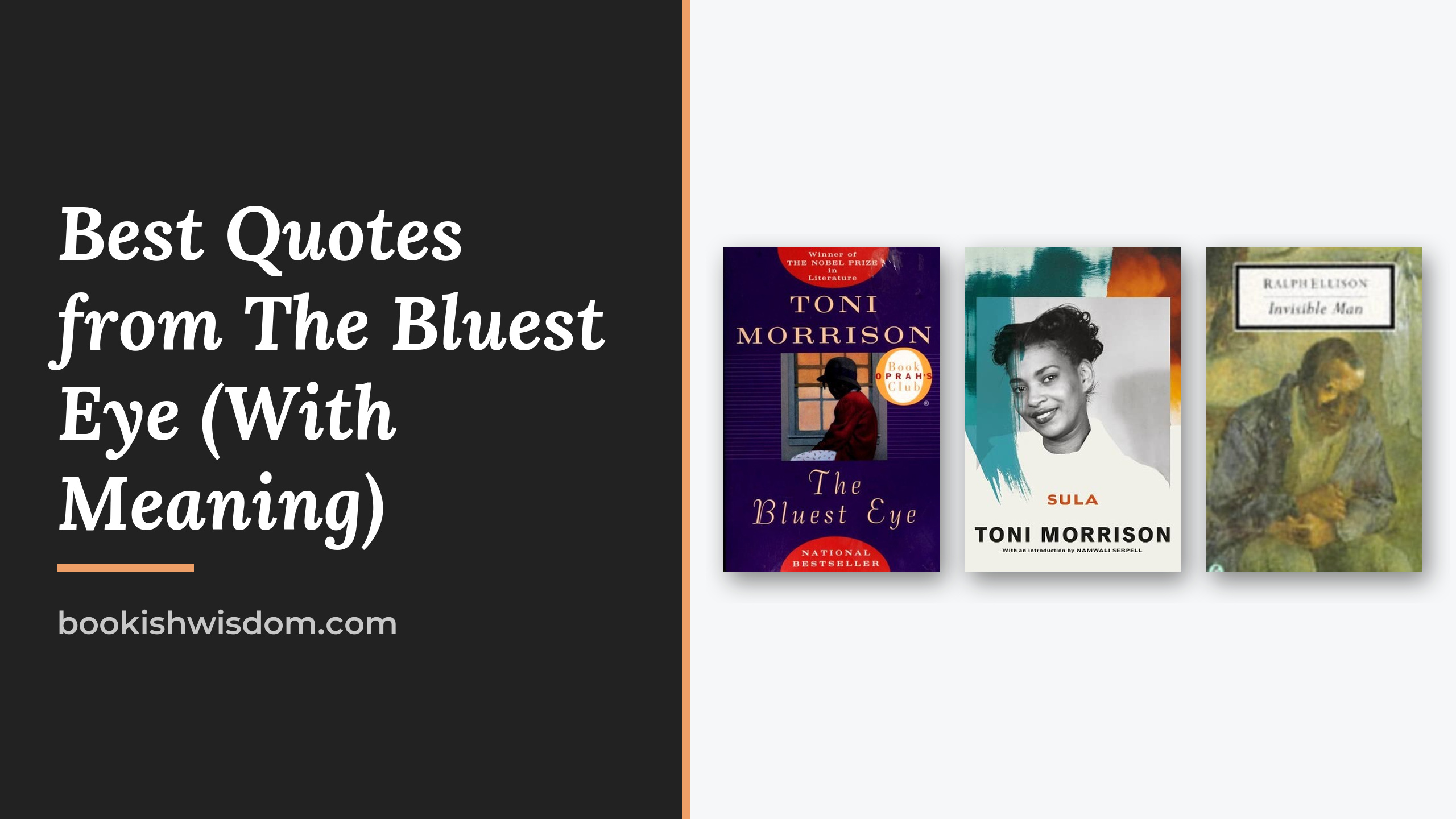
Quick answer: The best quotes from The Bluest Eye by Toni Morrison include “Quiet as it's kept, there were no marigolds in the fall of 1941.” and “Here is the house. It is green and white.” Below are 4 of the most memorable lines, with who says them, where they come from and what they mean.
Quick facts
- Book: The Bluest Eye by Toni Morrison
- First published: 1970
- Quotes covered: 4
- Best for: essays, captions, book club talks and rereads
Table of Contents
What The Bluest Eye Is About
In Lorain, Ohio, in 1941, eleven-year-old Pecola Breedlove, a Black girl who believes she is ugly, longs for blue eyes, convinced they would make her loved. Narrated partly by her classmate Claudia MacTeer, the novel traces how racism, poverty and family trauma shape Pecola's life and the lives of her parents. It was Morrison's first novel and explores how society's standards of beauty harm Black girls.
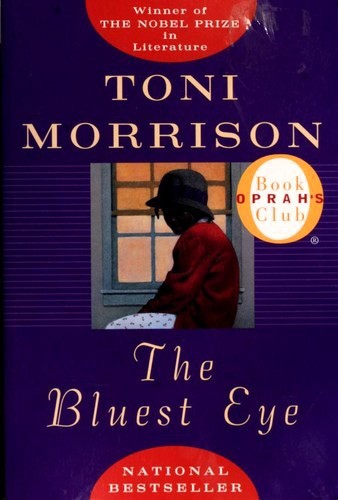
Check price of The Bluest Eye on Amazon
The Best Quotes from The Bluest Eye, Explained
1. “Quiet as it's kept, there were no marigolds in the fall of 1941.”
Opening line. Claudia begins with a strange, quiet fact. The failed marigolds become a symbol of what could not grow in that community that year.
2. “Here is the house. It is green and white.”
The primer passage. Morrison opens with a cheerful children's reader about a perfect family. She later repeats it with the words running together, contrasting the ideal with Pecola's painful reality.
3. “Love is never any better than the lover.”
Narrator. Morrison suggests that love reflects the person giving it. Damaged people often love in damaging ways.
4. “We had defended ourselves since memory against everything and everybody.”
Claudia. Claudia describes how she and her sister learned to protect themselves. The line shows the toughness children develop in hard places.
Why These Lines Stay With Readers
The Bluest Eye is a short but powerful novel about beauty, race and belonging. Morrison wrote it to show how a society that values whiteness can wound a child's sense of self. The book deals with abuse and racism, so it is best read by older teens and adults, and many readers study it alongside Morrison's later work. Its lines about beauty and love are often quoted in essays on identity and self-worth.
How to Use These Quotes
- In an essay: introduce the quote, give its context in one sentence, then explain how it supports your point.
- For a book club: read one line aloud and ask whether everyone agrees with the speaker.
- For a caption or card: pick a short line and credit Toni Morrison and The Bluest Eye.
- For a reread: look for the moment each line appears and notice what changes around it.
A Note on Quoting The Bluest Eye Accurately
Wording can differ slightly between editions, translations and film versions, and many lines shared online are paraphrased or misattributed. If you need an exact quote for an essay, check it against a printed copy of The Bluest Eye and note the edition and page number. The lines above are given as they appear in the book, not as they were changed for later adaptations.
When you quote in an essay, keep the quotation short and let your own explanation do most of the work. A good pattern is to name the speaker, place the line in the story, quote it and then spend two or three sentences on what it shows. Quotes from The Bluest Eye work best when they support a clear point about a character or theme, rather than standing alone.
Reading the Lines in Context
A quote often means more once you know where it falls in the story. Before using any of these lines, reread the surrounding page or two and ask what has just happened, who is listening and what the speaker wants. The same words can sound hopeful, ironic or desperate depending on that moment. Noticing this context is what turns a memorable line into real evidence for an argument about the book.
Discussion Questions
- Which quote above best sums up The Bluest Eye for you, and why?
- Do any of these lines mean something different once you know how the book ends?
- Which quote would you disagree with, and what would you say back?
If You Love the Writing in The Bluest Eye
-

Sula by Toni Morrison
-
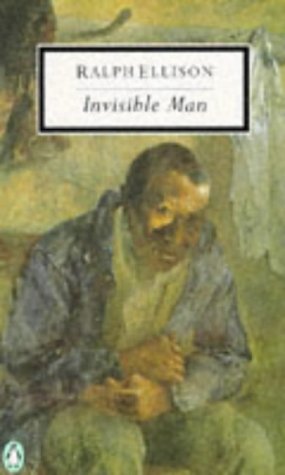
Invisible Man by Ralph Ellison
Related: The Bluest Eye by Toni Morrison: Summary and Key Takeaways · Themes in The Bluest Eye Explained
Frequently Asked Questions
What is the most famous quote from The Bluest Eye?
One of the best-known lines is “Quiet as it's kept, there were no marigolds in the fall of 1941.” (opening line).
Who wrote The Bluest Eye?
The Bluest Eye was written by Toni Morrison and first published in 1970.
Can I use quotes from The Bluest Eye in an essay?
Yes. Short quotations with clear credit to Toni Morrison are standard in essays and reviews. Always explain the quote in your own words.
What should I read after The Bluest Eye?
Try Sula by Toni Morrison or Invisible Man by Ralph Ellison.