
Disclosure: As an Amazon Associate, Bookish Wisdom earns from qualifying purchases. This doesn't change our picks or your price.
TL;DR: In 1941 Lorain, Ohio, Pecola Breedlove, a young Black girl who is told she is ugly, wishes for blue eyes, believing they would make her beautiful and loved. Narrated mostly by her neighbor Claudia, the novel shows how racism, poverty and abuse destroy Pecola.
Table of Contents
The Bluest Eye at a Glance
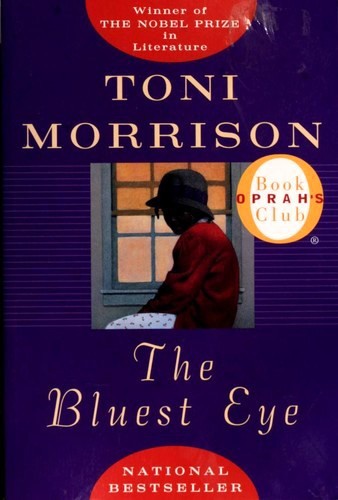
| Author | Toni Morrison |
| First published | 1970 |
| Type | Novel |
| Best for | readers who want a short, devastating classic about beauty, race and childhood |
The Bluest Eye is Toni Morrison's first novel, published in 1970. It explores how white beauty standards harm Black children and communities. Below you will find a part-by-part summary, five key takeaways, ideas worth remembering and a note on who will enjoy it.
Content note: Includes incest, sexual abuse and racism.
Main Characters
- Pecola Breedlove: An eleven-year-old girl who longs for blue eyes.
- Claudia MacTeer: The narrator, a spirited girl who resists white beauty ideals.
- Frieda MacTeer: Claudia's older sister.
- Cholly Breedlove: Pecola's troubled, abusive father.
- Pauline Breedlove: Pecola's mother, who prefers the white family she works for.
What Happens, Part by Part (Contains Spoilers)
Autumn
Claudia and Frieda MacTeer live with their strict but loving family. Pecola Breedlove stays with them after her father, Cholly, burns down the family home. Claudia hates the white baby dolls she is given and wonders why everyone thinks blond, blue-eyed girls are beautiful.
The Breedloves
The Breedlove family lives in a storefront, convinced they are ugly. Cholly drinks and fights. Pauline escapes into her work for a white family and into movies. Pecola is bullied at school and believes that blue eyes would make people treat her kindly.
Winter and spring
Pecola is humiliated by classmates and by Geraldine, a middle-class Black woman who despises her. The novel tells Cholly's history: abandoned as a baby and humiliated by white men during his first sexual experience. These scars help explain, though never excuse, what he does.
Summer
Cholly rapes Pecola, and she becomes pregnant. Pecola visits Soaphead Church, a fraud who claims special powers, asking for blue eyes. He tricks her into poisoning a dog and tells her that her wish has been granted. Claudia and Frieda plant marigold seeds, hoping Pecola's baby will live.
The ending
Pecola's baby is born early and dies, and the marigolds never bloom. Pecola loses her mind, believing she has the bluest eyes of all. Claudia reflects that the whole community, by hating Pecola, made itself feel more beautiful, and that the soil was bad for certain flowers.
5 Key Takeaways
- Beauty standards based on whiteness can deeply harm Black children.
- Abuse often passes through generations.
- Communities can scapegoat the most vulnerable.
- Self-hatred is learned, not natural.
- Children like Claudia can resist harmful ideas.
Ideas Worth Remembering
These are paraphrased, not direct quotes:
- Beauty is not one color.
- How we treat the weakest says who we are.
- Love that is twisted can do great harm.
Who Should Read The Bluest Eye?
Read The Bluest Eye if you want a short, powerful classic about race and beauty. It is very difficult and suits mature readers.
Questions to Think About After Reading
These prompts work for solo reading, a book club or a classroom discussion of The Bluest Eye:
- Why does Pecola want blue eyes?
- Who is responsible for Pecola's fate?
- How does Claudia's voice differ from Pecola's?
How to Use This Summary
Use this page as a quick reference before a book club meeting, an exam, or a decision about whether The Bluest Eye is worth your time. The takeaways are written to stand on their own. If a point interests you, go back to the book for the author's full story, characters and style, which no short summary can replace.
A Note on Accuracy and Spoilers
This summary is based on the published text of The Bluest Eye, not on any film, series or stage adaptation, which often change the story. Details are kept at the level of the main events so that nothing is invented. Editions differ slightly in length and wording, so page numbers and small details may vary between copies.
Should You Read the Book?
If the summary caught your interest, read the opening chapters before you decide. A summary tells you what happens, but the voice and pacing are what make a book work or not.
Check price of The Bluest Eye on Amazon
What to Read Next
- Beloved by Toni Morrison: Morrison's Pulitzer-winning masterpiece
- Sula by Toni Morrison: a story of female friendship
- The Color Purple by Alice Walker: a Black girl's survival and growth
Related: 15 Books Like The Bluest Eye You’ll Love · Beloved by Toni Morrison: Summary and Key Takeaways
Frequently Asked Questions
What is The Bluest Eye about?
A Black girl believes blue eyes will make her beautiful, while racism and abuse destroy her.
Who narrates The Bluest Eye?
Mostly Claudia MacTeer, with other voices.
Why is it banned?
It contains incest and sexual abuse.
When was it published?
In 1970, Morrison's first novel.
What do the marigolds symbolize?
Hope that does not grow in poisoned soil.
Where is it set?
In Lorain, Ohio, Morrison's hometown.
How long is it?
It is short, about 200 pages.
What age is it for?
It is for mature readers, generally 16 and up.
Why does Claudia destroy her white dolls?
She doesn't understand why everyone loves them, and she rejects the idea that whiteness equals beauty.
What does the Dick and Jane primer represent?
The novel opens with a distorted children's reading primer showing an ideal white family that the Breedloves can never match.
Is The Bluest Eye worth reading?
It depends on what you want. The book is best for readers who want a short, devastating classic about beauty, race and childhood. If that describes you, it is likely a good fit. If not, the titles under What to Read Next may suit you better.