
Disclosure: As an Amazon Associate, Bookish Wisdom earns from qualifying purchases. This doesn't change our picks or your price.
TL;DR: In 1870s New York high society, the lawyer Newland Archer is engaged to the proper May Welland but falls in love with her unconventional cousin, Countess Ellen Olenska, who has left a bad marriage in Europe. Bound by duty and social pressure, Newland chooses the life expected of him and lives with what he gave up.
Table of Contents
The Age of Innocence at a Glance
| Author | Edith Wharton |
| First published | 1920 |
| Type | Novel |
| Best for | readers who love quiet, heartbreaking stories of love denied and social rules |
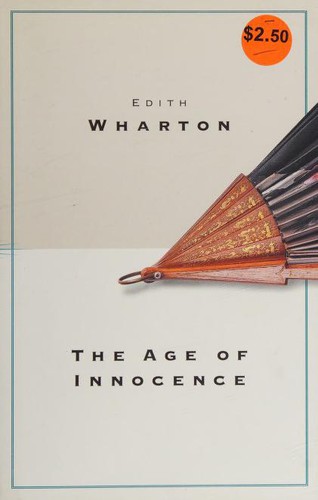
The Age of Innocence is a novel by Edith Wharton, first published in 1920. It won the Pulitzer Prize, making Wharton the first woman to win it for fiction. Wharton, who grew up in this same world, paints its rituals and hypocrisies with sharp irony. Below you will find a part-by-part summary, five key takeaways, ideas worth remembering and a note on who will enjoy it.
Main Characters
- Newland Archer: A young lawyer who questions society's rules but cannot break them.
- May Welland: Newland's fiancée, who seems innocent but is sharper than she appears.
- Ellen Olenska: May's cousin, a countess who scandalizes society by leaving her husband.
- Mrs. Manson Mingott: The family's powerful, outspoken matriarch.
- Lawrence Lefferts: A society man who polices the rules of propriety.
What Happens, Part by Part (Contains Spoilers)
An engagement
At the opera, Newland Archer sees his fiancée May Welland sitting with her cousin Ellen Olenska, who has returned to New York after fleeing her cruel husband, a Polish count. Society disapproves of Ellen. To support May's family, Newland announces his engagement early and helps Ellen gain acceptance.
Falling for Ellen
Newland's law firm asks him to talk Ellen out of seeking a divorce, which would cause a scandal. He succeeds, though he finds himself drawn to her honesty and freedom. He realizes he loves Ellen, and she loves him, but they agree that he must honor his engagement.
Marriage to May
Newland urges May to marry sooner, and she agrees. They marry and settle into a comfortable, predictable life. Newland feels trapped. He continues to see Ellen secretly and dreams of escaping with her, while she resists, knowing what it would cost others.
The trap closes
Ellen agrees to meet Newland once. Before that can happen, she suddenly announces she is returning to Europe. At a farewell dinner, Newland realizes that everyone, including May, believes he and Ellen are lovers. May tells Ellen that she is pregnant, ensuring Ellen will leave and Newland will stay.
The ending
Decades later, after May's death, Newland, now in his fifties, travels to Paris with his son, who arranges a visit to Ellen. Newland sits outside her apartment building but chooses not to go up, preferring to keep his memory of her. He walks back to his hotel alone.
5 Key Takeaways
- Social expectations can quietly trap people.
- Duty and desire often pull in opposite directions.
- People who seem simple may understand more than we think.
- Some choices define a whole life.
- Memory can be more precious than reality.
Ideas Worth Remembering
These are paraphrased, not direct quotes:
- The rules we follow can become our cage.
- Not every love story ends with being together.
- What we give up can stay with us forever.
Who Should Read The Age of Innocence?
Read The Age of Innocence if you love elegant writing, social drama and bittersweet romance. It suits older teens and adults who enjoy quieter classics.
Questions to Think About After Reading
These prompts work for solo reading, a book club or a classroom discussion of The Age of Innocence:
- Is May truly innocent?
- Why doesn't Newland go up to see Ellen at the end?
- How does Wharton criticize New York society?
How to Use This Summary
Use this page as a quick reference before a book club meeting, an exam, or a decision about whether The Age of Innocence is worth your time. The takeaways are written to stand on their own. If a point interests you, go back to the book for the author's full story, characters and style, which no short summary can replace.
A Note on Accuracy and Spoilers
This summary is based on the published text of The Age of Innocence, not on any film, series or stage adaptation, which often change the story. Details are kept at the level of the main events so that nothing is invented. Editions differ slightly in length and wording, so page numbers and small details may vary between copies.
Should You Read the Book?
If the summary caught your interest, read the opening chapters before you decide. A summary tells you what happens, but the voice and pacing are what make a book work or not.
Check price of The Age of Innocence on Amazon
What to Read Next
- The House of Mirth by Edith Wharton: Wharton's tragedy of a woman in society
- Persuasion by Jane Austen: a quiet story of love lost and found
- The Remains of the Day by Kazuo Ishiguro: another story of duty and unspoken love
Related: 15 Books Like The Age of Innocence You’ll Love
Frequently Asked Questions
What is The Age of Innocence about?
A New York lawyer falls for his fiancée's unconventional cousin but chooses duty.
Did it win the Pulitzer?
Yes, in 1921, the first for a woman in fiction.
Who is Ellen Olenska?
May's cousin, a countess who left her husband.
Does Newland marry Ellen?
No. He marries May and stays with her.
How does it end?
Newland chooses not to visit Ellen in Paris years later.
Is there a film?
Yes. Martin Scorsese directed a 1993 film.
When is it set?
In the 1870s, in upper-class New York.
Is it hard to read?
Its style is elegant and detailed but clear.
Is May aware of the affair?
Yes. She knows more than Newland realizes.
Is The Age of Innocence worth reading?
It depends on what you want. The book is best for readers who love quiet, heartbreaking stories of love denied and social rules. If that describes you, it is likely a good fit. If not, the titles under What to Read Next may suit you better.