
Disclosure: As an Amazon Associate, Bookish Wisdom earns from qualifying purchases. This doesn't change our picks or your price.
Spoiler warning: this analysis discusses the whole book, including the ending of The Bluest Eye.
Quick answer: The main themes in The Bluest Eye by Toni Morrison are beauty standards and racism, self-hatred, family and abuse, community and scapegoating and innocence. Each is explained below with what it means, how it develops in the story and questions you can use for study or discussion.
Quick facts
- Book: The Bluest Eye by Toni Morrison
- First published: 1970
- Main themes: beauty standards and racism, self-hatred, family and abuse, community and scapegoating and innocence
Table of Contents
About The Bluest Eye
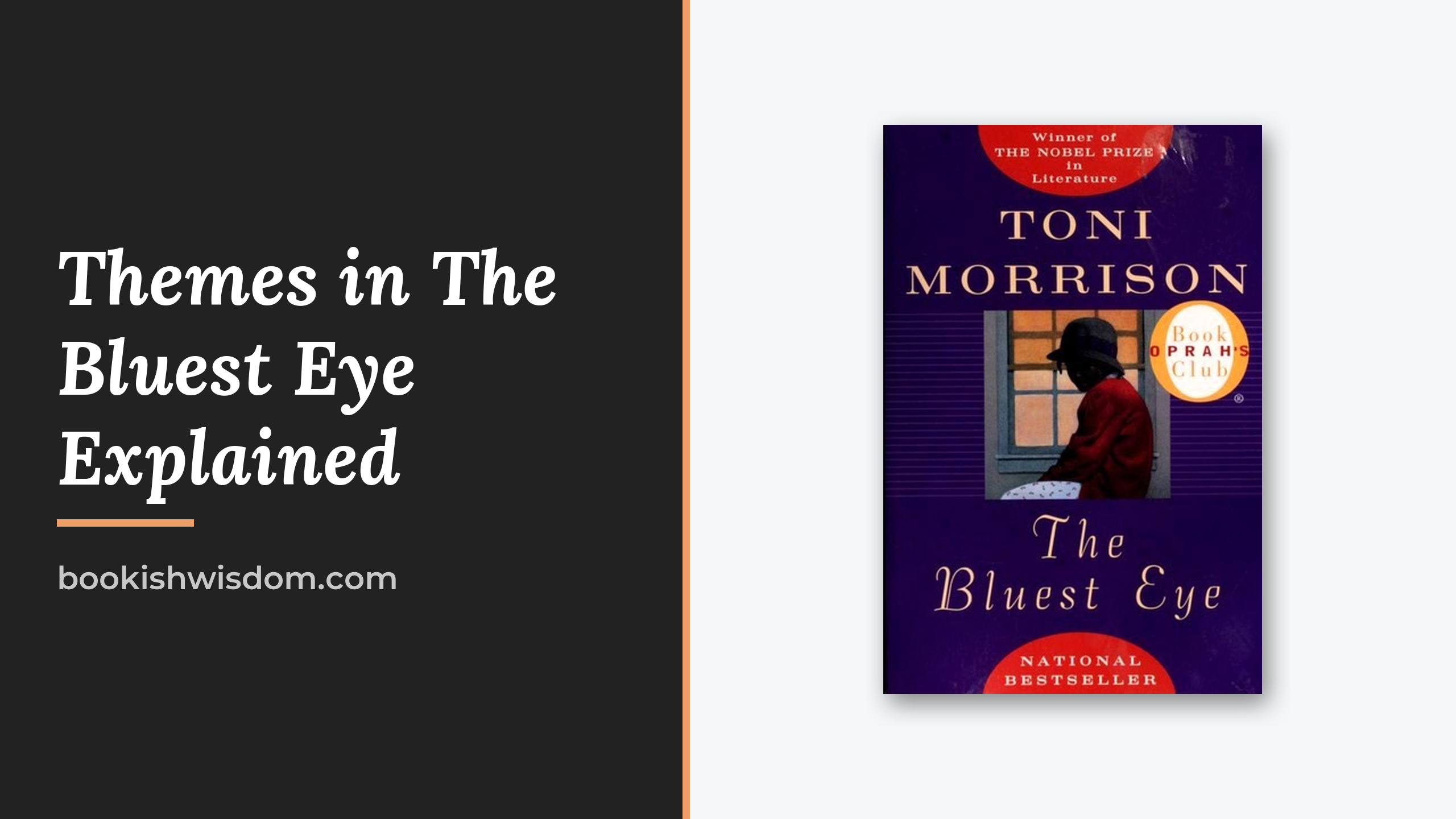
In Lorain, Ohio, in 1941, eleven-year-old Pecola Breedlove, a poor Black girl, is told again and again by the world around her that she is ugly. Her parents are troubled, her father Cholly is a violent alcoholic and her mother prefers the white family she works for. Pecola believes that if only she had blue eyes, she would be loved. Told mostly by her classmate Claudia MacTeer, the novel traces how racism, poverty and abuse destroy Pecola's sense of self, ending in tragedy and madness.
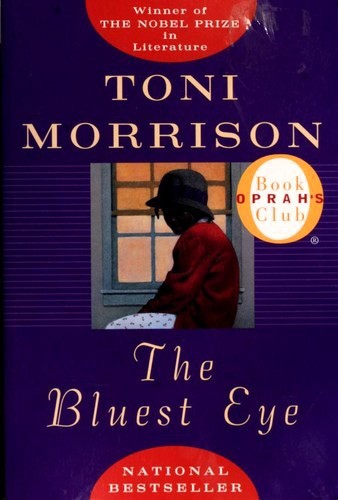
Check price of The Bluest Eye on Amazon
The Main Themes in The Bluest Eye
1. Beauty standards and racism
Pecola believes whiteness and blue eyes equal beauty and worth. Morrison shows how a racist society teaches Black children to hate their own appearance, and how damaging these standards are.
Question to consider: Where in The Bluest Eye does beauty standards and racism matter most to the characters, and what does Toni Morrison want readers to think about it?
2. Self-hatred
Pecola absorbs the world's contempt and turns it against herself. The novel shows how internalised racism destroys self-worth.
Question to consider: Where in The Bluest Eye does self-hatred matter most to the characters, and what does Toni Morrison want readers to think about it?
3. Family and abuse
Cholly's abuse and Pauline's coldness leave Pecola unprotected. Morrison explores how parents' own pain passes to their children.
Question to consider: Where in The Bluest Eye does family and abuse matter most to the characters, and what does Toni Morrison want readers to think about it?
4. Community and scapegoating
The community uses Pecola as a scapegoat for its own shame. Claudia admits they all felt better by comparison.
Question to consider: Where in The Bluest Eye does community and scapegoating matter most to the characters, and what does Toni Morrison want readers to think about it?
5. Innocence
Pecola's innocence is destroyed.
Question to consider: Where in The Bluest Eye does innocence matter most to the characters, and what does Toni Morrison want readers to think about it?
Symbols and Motifs
- Blue eyes. They represent white beauty standards and the impossible wish to be loved.
- The marigolds. They symbolise failed hope and stunted growth.
- The child-star cup. A cup printed with a famous white child star stands for idealised white beauty.
- The Dick and Jane primer. It represents the false image of a perfect white family.
How the Themes Connect
Beauty standards and racism are the novel's core, leading directly to Pecola's self-hatred. Family and abuse show how she is left unprotected, community and scapegoating show how others fail her and innocence ties it together in her tragic loss. Morrison's first novel remains a devastating study of how racism damages children.
How to Write About the Themes of The Bluest Eye
If you are writing an essay or preparing for class, these steps help:
- Pick one theme. A focused argument is stronger than a list of everything.
- Find evidence in the text. Point to specific scenes, characters and choices rather than general impressions.
- Explain, don't just describe. After each example, say what it shows about the theme.
- Connect to the ending. Ask how the final chapters resolve or complicate the theme.
- Consider other readings. A fair essay acknowledges that readers can disagree.
Discussion Questions
- Which of the themes above feels most relevant to your own life, and why?
- Do the characters in The Bluest Eye handle beauty standards and racism well or badly?
- How does the title relate to the themes of the book?
- Would the story change if it were set in a different time or place?
- What does Toni Morrison leave unresolved, and why might that be?
Books With Similar Themes
Related: The Bluest Eye by Toni Morrison: Summary and Key Takeaways · 15 Books Like The Bluest Eye You’ll Love
Frequently Asked Questions
What is the main theme of The Bluest Eye?
The central theme is beauty standards and racism, supported by self-hatred and family and abuse.
How many themes does The Bluest Eye have?
This guide covers 5 main themes, but readers may find others.
Who wrote The Bluest Eye?
The Bluest Eye was written by Toni Morrison and first published in 1970.
Is The Bluest Eye a good book for studying themes?
Yes. Its themes are clear enough to follow and rich enough to support essays and group discussion.
What should I read after The Bluest Eye?
Try Sula by Toni Morrison or Passing by Nella Larsen.