
Disclosure: As an Amazon Associate, Bookish Wisdom earns from qualifying purchases. This doesn't change our picks or your price.
Quick answer: The best quotes from Paddington Bear by Michael Bond include “Please look after this bear. Thank you.” and “Mr and Mrs Brown first met Paddington on a railway platform.” Below are 4 of the most memorable lines, with who says them, where they come from and what they mean.
Quick facts
- Book: Paddington Bear by Michael Bond
- First published: 1958
- Quotes covered: 4
- Best for: essays, captions, book club talks and rereads
Table of Contents
What Paddington Bear Is About
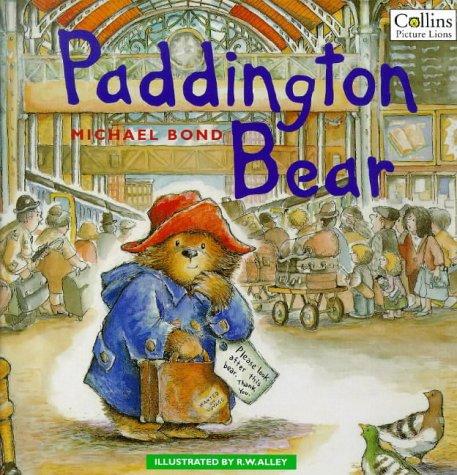
Mr and Mrs Brown find a small bear in a hat sitting on a suitcase at Paddington Station in London. He has come from Darkest Peru, sent by his Aunt Lucy, who has gone to live in a home for retired bears. The Browns name him after the station and take him home, where his good intentions and love of marmalade lead to one comic disaster after another. The first book is A Bear Called Paddington.
Check price of Paddington Bear on Amazon
The Best Quotes from Paddington Bear, Explained
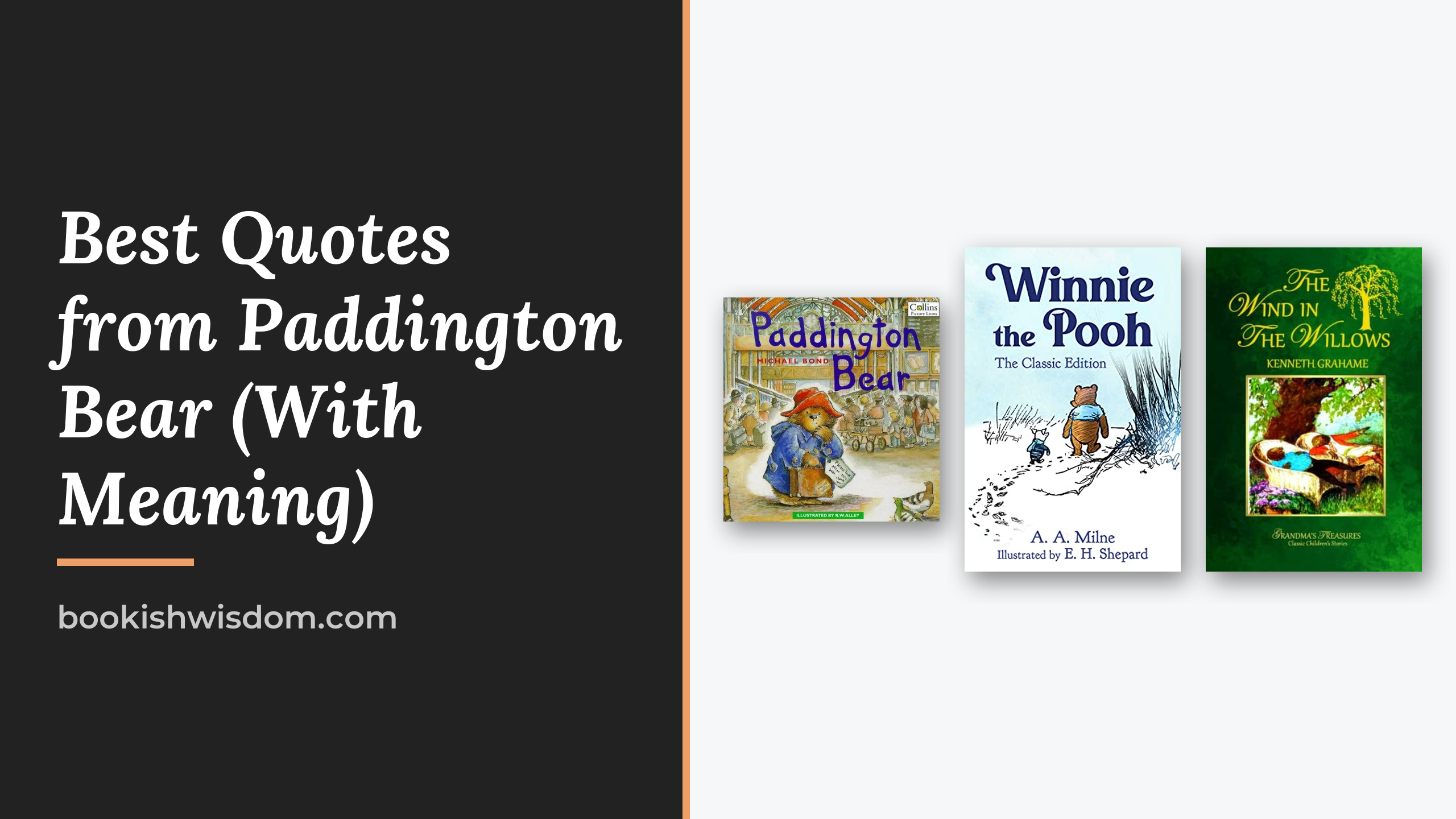
1. “Please look after this bear. Thank you.”
The label on Paddington's coat. The label echoes the tags worn by child evacuees in the Second World War. It asks strangers for kindness.
2. “Mr and Mrs Brown first met Paddington on a railway platform.”
Opening line. The simple first sentence starts a friendship that has lasted generations of readers.
3. “I come from Darkest Peru.”
Paddington. Paddington explains his origins with dignity. His long journey makes him a symbol of welcome for newcomers.
4. “Things are always happening to me. I'm that sort of bear.”
Paddington. Paddington accepts that trouble follows him. His cheerful attitude makes each mishap funny.
Why These Lines Stay With Readers
Michael Bond got the idea for Paddington after buying a toy bear for his wife on Christmas Eve 1956, finding it alone on a shelf near Paddington Station. He wrote more than twenty Paddington books, and the bear has appeared in TV series and three popular films. Paddington's politeness, his famous 'hard stare' and his love of marmalade sandwiches make him one of Britain's best-loved characters. The quotes are used to discuss kindness, belonging and welcoming refugees. Bond said Paddington's story was inspired partly by memories of evacuee children carrying labels and small suitcases. A bronze statue of Paddington now stands at the London station that gave him his name. Readers should note that the line 'If we're kind and polite, the world will be right' comes from the films, not the original books.
How to Use These Quotes
- In an essay: introduce the quote, give its context in one sentence, then explain how it supports your point.
- For a book club: read one line aloud and ask whether everyone agrees with the speaker.
- For a caption or card: pick a short line and credit Michael Bond and Paddington Bear.
- For a reread: look for the moment each line appears and notice what changes around it.
A Note on Quoting Paddington Bear Accurately
Wording can differ slightly between editions, translations and film versions, and many lines shared online are paraphrased or misattributed. If you need an exact quote for an essay, check it against a printed copy of Paddington Bear and note the edition and page number. The lines above are given as they appear in the book, not as they were changed for later adaptations.
When you quote in an essay, keep the quotation short and let your own explanation do most of the work. A good pattern is to name the speaker, place the line in the story, quote it and then spend two or three sentences on what it shows. Quotes from Paddington Bear work best when they support a clear point about a character or theme, rather than standing alone.
Reading the Lines in Context
A quote often means more once you know where it falls in the story. Before using any of these lines, reread the surrounding page or two and ask what has just happened, who is listening and what the speaker wants. The same words can sound hopeful, ironic or desperate depending on that moment. Noticing this context is what turns a memorable line into real evidence for an argument about the book.
Discussion Questions
- Which quote above best sums up Paddington Bear for you, and why?
- Do any of these lines mean something different once you know how the book ends?
- Which quote would you disagree with, and what would you say back?
If You Love the Writing in Paddington Bear
-
Winnie-the-Pooh by A. A. Milne
-
The Wind in the Willows by Kenneth Grahame
Related: What Age Is Paddington Bear Appropriate For? A Parent’s Guide · Winnie-the-Pooh by A. A. Milne: Summary and Key Takeaways
Frequently Asked Questions
What is the most famous quote from Paddington Bear?
One of the best-known lines is “Please look after this bear. Thank you.” (the label on Paddington's coat).
Who wrote Paddington Bear?
Paddington Bear was written by Michael Bond and first published in 1958.
Can I use quotes from Paddington Bear in an essay?
Yes. Short quotations with clear credit to Michael Bond are standard in essays and reviews. Always explain the quote in your own words.
What should I read after Paddington Bear?
Try Winnie-the-Pooh by A. A. Milne or The Wind in the Willows by Kenneth Grahame.