
Disclosure: As an Amazon Associate, Bookish Wisdom earns from qualifying purchases. This doesn't change our picks or your price.
Spoiler warning: this analysis discusses the whole book, including the ending of Echo.
Quick answer: The main themes in Echo by Pam Munoz Ryan are music and hope, prejudice, family, fate and connection and courage. Each is explained below with what it means, how it develops in the story and questions you can use for study or discussion.
Quick facts
- Book: Echo by Pam Munoz Ryan
- First published: 2015
- Main themes: music and hope, prejudice, family, fate and connection and courage
Table of Contents
About Echo
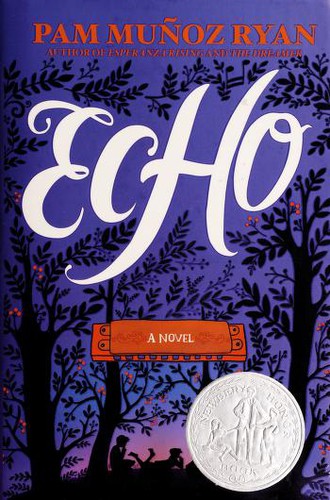
A boy named Otto, lost in a German forest in 1933, meets three mysterious sisters who give him a harmonica. Decades later, the harmonica connects three children: Friedrich, a boy with a birthmark in Nazi Germany who loves music; Mike, an orphan in Depression-era Pennsylvania who hopes to keep his little brother; and Ivy, a Mexican American girl in 1940s California whose family faces prejudice. Each faces danger, and each finds hope in music. Friedrich's father is sent to a camp for speaking against the Nazis, and Friedrich must decide whether to escape. Mike and his brother Frankie are sent from an orphanage to live with a wealthy, grieving woman, and Mike fears they will be separated. Ivy's family moves to care for a farm owned by a Japanese American family sent to an internment camp.
The Main Themes in Echo
1. Music and hope
The harmonica gives each child courage and hope. Music connects people across time and place. Friedrich hears music in his head, Mike earns a place in a harmonica band and Ivy plays in the school orchestra.
Question to consider: Where in Echo does music and hope matter most to the characters, and what does Pam Munoz Ryan want readers to think about it?
2. Prejudice
Friedrich faces Nazi persecution, Mike faces poverty, and Ivy faces racism against Mexican and Japanese Americans. Ivy's school puts Mexican American children in a separate, run-down building.
Question to consider: Where in Echo does prejudice matter most to the characters, and what does Pam Munoz Ryan want readers to think about it?
3. Family
Each child fights to protect family. Mike promises his grandmother he will look after Frankie.
Question to consider: Where in Echo does family matter most to the characters, and what does Pam Munoz Ryan want readers to think about it?
4. Fate and connection
The harmonica links strangers, showing how lives connect. The three sisters in the fairy tale say the harmonica will help save a life.
Question to consider: Where in Echo does fate and connection matter most to the characters, and what does Pam Munoz Ryan want readers to think about it?
5. Courage
Each child acts bravely in hard times. Each story ends at a cliffhanger, and readers learn the outcomes only at the end.
Question to consider: Where in Echo does courage matter most to the characters, and what does Pam Munoz Ryan want readers to think about it?
Symbols and Motifs
- The harmonica. Represents hope and connection.
- The red M. The red letter on the harmonica represents the bond between owners.
- The fairy tale. The opening story represents destiny.
- Carnegie Hall. Represents the final reunion.
How the Themes Connect
The themes connect through the harmonica's journey. Music, family and courage help the children face prejudice. Echo won a Newbery Honor in 2016. Its structure, three stories framed by a fairy tale, ends with all the characters at a concert. Readers love the satisfying final chapter. The book is long, almost six hundred pages, but readers say they finish it quickly because each story is so gripping.
How to Write About the Themes of Echo
If you are writing an essay or preparing for class, these steps help:
- Pick one theme. A focused argument is stronger than a list of everything.
- Find evidence in the text. Point to specific scenes, characters and choices rather than general impressions.
- Explain, don't just describe. After each example, say what it shows about the theme.
- Connect to the ending. Ask how the final chapters resolve or complicate the theme.
- Consider other readings. A fair essay acknowledges that readers can disagree.
Discussion Questions
- Which of the themes above feels most relevant to your own life, and why?
- Do the characters in Echo handle music and hope well or badly?
- How does the title relate to the themes of the book?
- Would the story change if it were set in a different time or place?
- What does Pam Munoz Ryan leave unresolved, and why might that be?
Books With Similar Themes
-
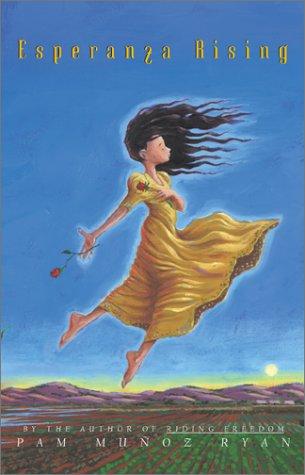
Esperanza Rising by Pam Munoz Ryan
-
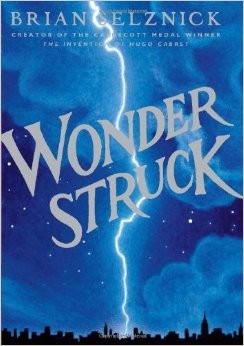
Wonderstruck by Brian Selznick
Related: Echo by Pam Muñoz Ryan: Summary and Key Takeaways · What Age Is Echo Appropriate For? A Parent’s Guide
Frequently Asked Questions
What is the main theme of Echo?
The central theme is music and hope, supported by prejudice and family.
How many themes does Echo have?
This guide covers 5 main themes, but readers may find others.
Who wrote Echo?
Echo was written by Pam Munoz Ryan and first published in 2015.
Is Echo a good book for studying themes?
Yes. Its themes are clear enough to follow and rich enough to support essays and group discussion.
What should I read after Echo?
Try Esperanza Rising by Pam Munoz Ryan or Wonderstruck by Brian Selznick.