
Disclosure: As an Amazon Associate, Bookish Wisdom earns from qualifying purchases. This doesn't change our picks or your price.
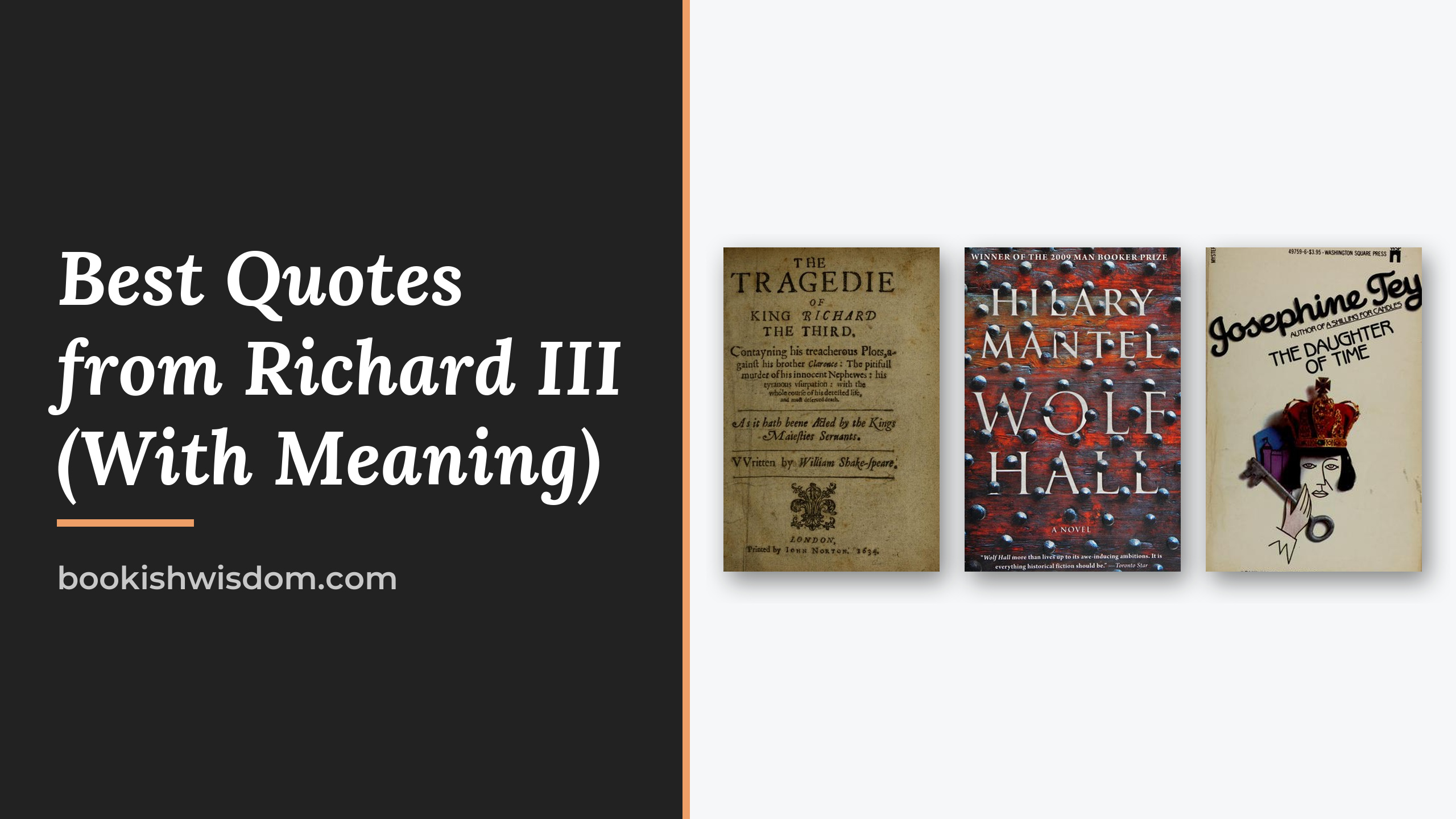
Quick answer: The best quotes from Richard III by William Shakespeare include “Now is the winter of our discontent / Made glorious summer by this sun of York” and “I am determined to prove a villain” Below are 5 of the most memorable lines, with who says them, where they come from and what they mean.
Quick facts
- Book: Richard III by William Shakespeare
- First published: 1592
- Quotes covered: 5
- Best for: essays, captions, book club talks and rereads
Table of Contents
What Richard III Is About
Richard, Duke of Gloucester, is clever, ambitious and bitter about his deformed body. After the Wars of the Roses end with his brother Edward IV on the throne, Richard plots, lies and murders his way to the crown, killing his brother Clarence, his young nephews in the Tower and anyone else in his way. Once king, he loses allies one by one and dies fighting Henry Tudor at Bosworth Field.
Check price of Richard III on Amazon
The Best Quotes from Richard III, Explained
1. “Now is the winter of our discontent / Made glorious summer by this sun of York”
Richard, opening soliloquy. Richard says the dark years of war are over now that his brother rules. The pun on sun and son is famous, but Richard is bored by peace.
2. “I am determined to prove a villain”
Richard, Act 1, Scene 1. Richard tells the audience his plan. His frankness draws viewers into his schemes.
3. “Conscience is but a word that cowards use”
Richard, Act 5. On the eve of battle, Richard dismisses guilt. The line shows his cold logic.
4. “So wise so young, they say, do never live long.”
Richard, aside. Richard comments on his clever nephew, hinting at the boy's fate. The proverb becomes chilling.
5. “A horse! a horse! my kingdom for a horse!”
Richard, at Bosworth. Unhorsed in battle, Richard would trade everything for escape. The line shows how his power has collapsed.
Why These Lines Stay With Readers
Richard III is one of Shakespeare's most popular history plays, mostly because Richard is such a charismatic villain. He speaks directly to the audience, making them almost complicit in his crimes. The play shaped how people imagined the real Richard for centuries, although historians now debate how accurate the portrait is. The discovery of Richard's skeleton under a Leicester car park in 2012 renewed interest in the play. Its lines are quoted to describe ambition, manipulation and the sudden fall of tyrants.
How to Use These Quotes
- In an essay: introduce the quote, give its context in one sentence, then explain how it supports your point.
- For a book club: read one line aloud and ask whether everyone agrees with the speaker.
- For a caption or card: pick a short line and credit William Shakespeare and Richard III.
- For a reread: look for the moment each line appears and notice what changes around it.
A Note on Quoting Richard III Accurately
Wording can differ slightly between editions, translations and film versions, and many lines shared online are paraphrased or misattributed. If you need an exact quote for an essay, check it against a printed copy of Richard III and note the edition and page number. The lines above are given as they appear in the book, not as they were changed for later adaptations.
When you quote in an essay, keep the quotation short and let your own explanation do most of the work. A good pattern is to name the speaker, place the line in the story, quote it and then spend two or three sentences on what it shows. Quotes from Richard III work best when they support a clear point about a character or theme, rather than standing alone.
Reading the Lines in Context
A quote often means more once you know where it falls in the story. Before using any of these lines, reread the surrounding page or two and ask what has just happened, who is listening and what the speaker wants. The same words can sound hopeful, ironic or desperate depending on that moment. Noticing this context is what turns a memorable line into real evidence for an argument about the book.
Discussion Questions
- Which quote above best sums up Richard III for you, and why?
- Do any of these lines mean something different once you know how the book ends?
- Which quote would you disagree with, and what would you say back?
If You Love the Writing in Richard III
-
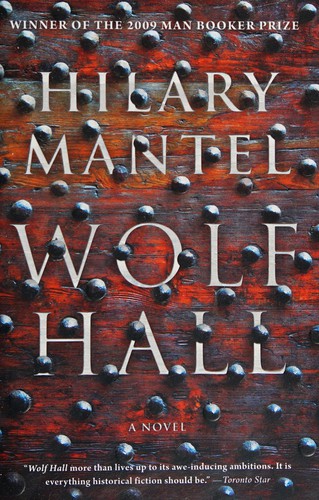
Wolf Hall by Hilary Mantel
-
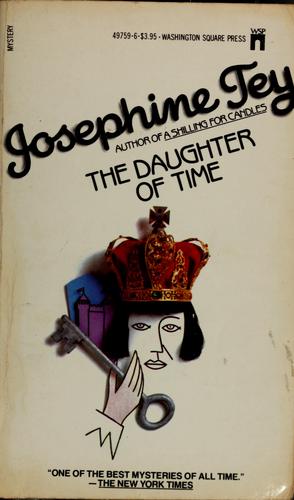
The Daughter of Time by Josephine Tey
Related: Wolf Hall by Hilary Mantel: Summary and Key Takeaways · The Daughter of Time by Josephine Tey: Summary and Key Takeaways
Frequently Asked Questions
What is the most famous quote from Richard III?
One of the best-known lines is “Now is the winter of our discontent / Made glorious summer by this sun of York” (richard, opening soliloquy).
Who wrote Richard III?
Richard III was written by William Shakespeare and first published in 1592.
Can I use quotes from Richard III in an essay?
Yes. Short quotations with clear credit to William Shakespeare are standard in essays and reviews. Always explain the quote in your own words.
What should I read after Richard III?
Try Wolf Hall by Hilary Mantel or The Daughter of Time by Josephine Tey.