
Disclosure: As an Amazon Associate, Bookish Wisdom earns from qualifying purchases. This doesn't change our picks or your price.
Quick answer: The best quotes from Self-Reliance by Ralph Waldo Emerson include “Trust thyself: every heart vibrates to that iron string.” and “Whoso would be a man must be a nonconformist.” Below are 5 of the most memorable lines, with who says them, where they come from and what they mean.
Quick facts
- Book: Self-Reliance by Ralph Waldo Emerson
- First published: 1841
- Quotes covered: 5
- Best for: essays, captions, book club talks and rereads
Table of Contents
What Self-Reliance Is About
In this famous essay, American writer Ralph Waldo Emerson urges readers to trust their own thoughts and instincts instead of copying others or bowing to society's expectations. He argues that conformity and a fear of seeming inconsistent stop people from becoming who they truly are. Each person, he says, has a unique voice and should have the courage to use it.
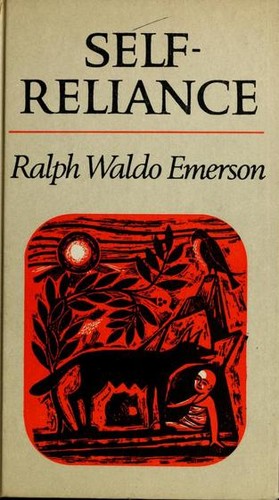
Check price of Self-Reliance on Amazon
The Best Quotes from Self-Reliance, Explained
1. “Trust thyself: every heart vibrates to that iron string.”
Emerson. This short line is the essay's core message. Everyone has an inner strength they can rely on.
2. “Whoso would be a man must be a nonconformist.”
Emerson. Emerson argues that real character means resisting pressure to fit in.
3. “A foolish consistency is the hobgoblin of little minds”
Emerson. Emerson attacks the fear of changing your mind. Growing people should be free to think differently tomorrow.
4. “To be great is to be misunderstood.”
Emerson. He lists thinkers who were misunderstood in their own time. Being misunderstood can be a sign of original thought.
5. “Nothing can bring you peace but yourself.”
Closing line. Emerson ends by placing happiness within each person, not in luck or outside approval.
Why These Lines Stay With Readers
Self-Reliance is one of the most influential essays in American literature, and its lines are quoted by entrepreneurs, artists and athletes. Emerson was a leader of the Transcendentalist movement, which valued individual intuition and nature. The essay inspired writers such as Henry David Thoreau and Walt Whitman. Its sentences are short and punchy, which makes them perfect for quotes, but the full essay is worth reading for its bold arguments about courage and originality. Students often debate whether Emerson's individualism is inspiring or selfish. Emerson first delivered many of these ideas as public lectures before collecting them in his Essays: First Series in 1841. The essay is short enough to read in half an hour, so it is easy to check every quote in context.
How to Use These Quotes
- In an essay: introduce the quote, give its context in one sentence, then explain how it supports your point.
- For a book club: read one line aloud and ask whether everyone agrees with the speaker.
- For a caption or card: pick a short line and credit Ralph Waldo Emerson and Self-Reliance.
- For a reread: look for the moment each line appears and notice what changes around it.
A Note on Quoting Self-Reliance Accurately
Wording can differ slightly between editions, translations and film versions, and many lines shared online are paraphrased or misattributed. If you need an exact quote for an essay, check it against a printed copy of Self-Reliance and note the edition and page number. The lines above are given as they appear in the book, not as they were changed for later adaptations.
When you quote in an essay, keep the quotation short and let your own explanation do most of the work. A good pattern is to name the speaker, place the line in the story, quote it and then spend two or three sentences on what it shows. Quotes from Self-Reliance work best when they support a clear point about a character or theme, rather than standing alone.
Reading the Lines in Context
A quote often means more once you know where it falls in the story. Before using any of these lines, reread the surrounding page or two and ask what has just happened, who is listening and what the speaker wants. The same words can sound hopeful, ironic or desperate depending on that moment. Noticing this context is what turns a memorable line into real evidence for an argument about the book.
Discussion Questions
- Which quote above best sums up Self-Reliance for you, and why?
- Do any of these lines mean something different once you know how the book ends?
- Which quote would you disagree with, and what would you say back?
If You Love the Writing in Self-Reliance
-

Walden by Henry David Thoreau
-
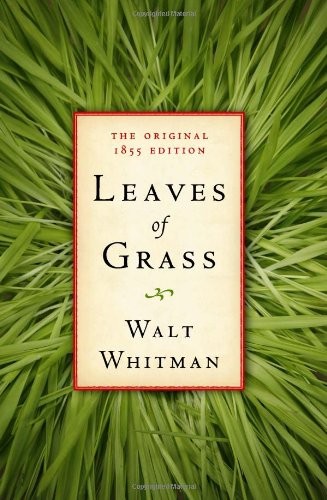
Leaves of Grass by Walt Whitman
Related: Self-Reliance by Ralph Waldo Emerson: Summary and Key Takeaways · Walden by Henry David Thoreau: Summary and Key Takeaways
Frequently Asked Questions
What is the most famous quote from Self-Reliance?
One of the best-known lines is “Trust thyself: every heart vibrates to that iron string.” (emerson).
Who wrote Self-Reliance?
Self-Reliance was written by Ralph Waldo Emerson and first published in 1841.
Can I use quotes from Self-Reliance in an essay?
Yes. Short quotations with clear credit to Ralph Waldo Emerson are standard in essays and reviews. Always explain the quote in your own words.
What should I read after Self-Reliance?
Try Walden by Henry David Thoreau or Leaves of Grass by Walt Whitman.