
Disclosure: As an Amazon Associate, Bookish Wisdom earns from qualifying purchases. This doesn't change our picks or your price.
Quick answer: The best quotes from The Prince by Niccolò Machiavelli include “It is much safer to be feared than loved, when, of the two, either must be dispensed with.” and “Every one sees what you appear to be, few really know what you are.” Below are 5 of the most memorable lines, with who says them, where they come from and what they mean.
Quick facts
- Book: The Prince by Niccolò Machiavelli
- First published: 1532
- Quotes covered: 5
- Best for: essays, captions, book club talks and rereads
Table of Contents
What The Prince Is About
Niccolò Machiavelli was a diplomat in Florence who lost his job when the Medici family returned to power. In exile, he wrote The Prince, a short guide for rulers on how to gain and keep power. Unlike earlier advice books that told princes to be virtuous, Machiavelli describes how politics actually works, including when a ruler must be ruthless. The book was published after his death and made his name a byword for cunning. The quotes below follow W. K. Marriott's translation.
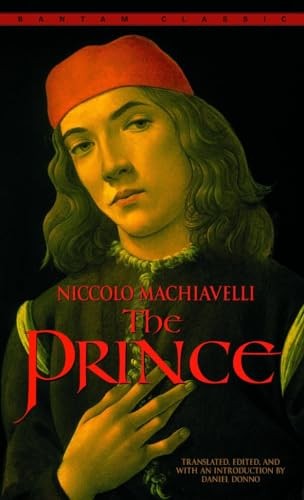
Check price of The Prince on Amazon
The Best Quotes from The Prince, Explained
1. “It is much safer to be feared than loved, when, of the two, either must be dispensed with.”
Chapter 17, on cruelty and mercy. This is the most famous line in the book. Machiavelli says it is best to be both loved and feared, but if a ruler must choose, fear is more reliable. He also warns rulers to avoid being hated.
2. “Every one sees what you appear to be, few really know what you are.”
Chapter 18. Machiavelli argues that image matters more than reality in politics. The line is often quoted in discussions of public relations and leadership.
3. “Men ought either to be well treated or crushed, because they can avenge themselves of lighter injuries, of more serious ones they cannot.”
Chapter 3. This harsh advice shows Machiavelli's realism. Half measures create enemies who can strike back.
4. “A prince must imitate the fox and the lion, for the lion cannot defend himself against snares and the fox cannot defend himself against wolves.”
Chapter 18. A good ruler needs both cunning and strength. The image of the fox and the lion is one of the best known in political writing.
5. “The first method for estimating the intelligence of a ruler is to look at the men he has around him.”
Chapter 22, on advisers. Machiavelli says leaders are judged by the people they choose. The line is popular with managers and coaches.
Why These Lines Stay With Readers
The phrase the ends justify the means is often credited to Machiavelli, but it does not appear in The Prince. His real lines are more careful and more interesting, which is why the book is still taught in politics and business courses.
How to Use These Quotes
- In an essay: introduce the quote, give its context in one sentence, then explain how it supports your point.
- For a book club: read one line aloud and ask whether everyone agrees with the speaker.
- For a caption or card: pick a short line and credit Niccolò Machiavelli and The Prince.
- For a reread: look for the moment each line appears and notice what changes around it.
A Note on Quoting The Prince Accurately
Wording can differ slightly between editions, translations and film versions, and many lines shared online are paraphrased or misattributed. If you need an exact quote for an essay, check it against a printed copy of The Prince and note the edition and page number. The lines above are given as they appear in the book, not as they were changed for later adaptations.
When you quote in an essay, keep the quotation short and let your own explanation do most of the work. A good pattern is to name the speaker, place the line in the story, quote it and then spend two or three sentences on what it shows. Quotes from The Prince work best when they support a clear point about a character or theme, rather than standing alone.
Discussion Questions
- Which quote above best sums up The Prince for you, and why?
- Do any of these lines mean something different once you know how the book ends?
- Which quote would you disagree with, and what would you say back?
If You Love the Writing in The Prince
- The Art of War by Sun Tzu
- The 48 Laws of Power by Robert Greene
Related: The Prince by Niccolo Machiavelli: Summary and Key Takeaways · 15 Books Like The Prince You’ll Love
Frequently Asked Questions
What is the most famous quote from The Prince?
One of the best-known lines is “It is much safer to be feared than loved, when, of the two, either must be dispensed with.” (chapter 17, on cruelty and mercy).
Who wrote The Prince?
The Prince was written by Niccolò Machiavelli and first published in 1532.
Can I use quotes from The Prince in an essay?
Yes. Short quotations with clear credit to Niccolò Machiavelli are standard in essays and reviews. Always explain the quote in your own words.
What should I read after The Prince?
Try The Art of War by Sun Tzu or The 48 Laws of Power by Robert Greene.