
Disclosure: As an Amazon Associate, Bookish Wisdom earns from qualifying purchases. This doesn't change our picks or your price.
Quick answer: The best quotes from The Art of War by Sun Tzu include “All warfare is based on deception.” and “If you know the enemy and know yourself, you need not fear the result of a hundred battles.” Below are 6 of the most memorable lines, with who says them, where they come from and what they mean.
Quick facts
- Book: The Art of War by Sun Tzu
- First published: 5th century BC
- Quotes covered: 6
- Best for: essays, captions, book club talks and rereads
Table of Contents
What The Art of War Is About
The Art of War is an ancient Chinese text on military strategy, traditionally credited to the general Sun Tzu. Its thirteen short chapters cover planning, attack, terrain, the use of spies and more. The book argues that the best victory is won with as little fighting as possible, through preparation, deception and knowledge. Today it is read by business leaders, coaches and anyone interested in strategy. The quotes below follow Lionel Giles's 1910 English translation.
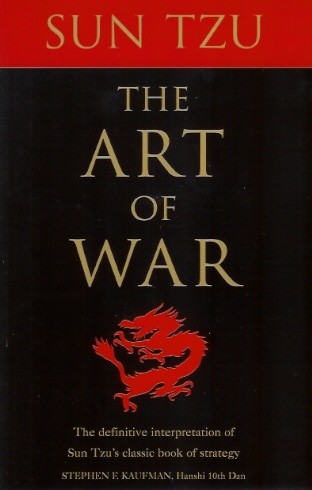
Check price of The Art of War on Amazon
The Best Quotes from The Art of War, Explained
1. “All warfare is based on deception.”
Chapter 1, Laying Plans. This is the most famous line in the book. Sun Tzu argues that a commander should hide his true strength and plans. In business and sports, the idea is applied to strategy and surprise.
2. “If you know the enemy and know yourself, you need not fear the result of a hundred battles.”
Chapter 3, Attack by Stratagem. Knowledge is the key to success. The line is used in many fields to stress preparation and self-awareness.
3. “Supreme excellence consists in breaking the enemy's resistance without fighting.”
Chapter 3, Attack by Stratagem. Sun Tzu values winning without destruction. The popular version, the supreme art of war is to subdue the enemy without fighting, comes from a later translation.
4. “Let your plans be dark and impenetrable as night, and when you move, fall like a thunderbolt.”
Chapter 7, Maneuvering. This vivid image stresses secrecy followed by sudden action. It is one of the most poetic lines in the text.
5. “Hence, when able to attack, we must seem unable; when using our forces, we must seem inactive.”
Chapter 1, Laying Plans. This passage explains deception in practice. It is often shortened online to appear weak when you are strong, which is a paraphrase rather than a direct quote.
6. “Amid the turmoil and tumult of battle, there may be seeming disorder and yet no real disorder at all.”
Chapter 5, Energy. A well-organized army can look chaotic while staying in control. The popular saying in the midst of chaos there is also opportunity is often credited to Sun Tzu but does not appear in this translation.
Why These Lines Stay With Readers
The Art of War is short, and its lines are easy to apply to many situations. Because so many popular quotes are paraphrases or misattributions, it is worth checking a translation before quoting it.
How to Use These Quotes
- In an essay: introduce the quote, give its context in one sentence, then explain how it supports your point.
- For a book club: read one line aloud and ask whether everyone agrees with the speaker.
- For a caption or card: pick a short line and credit Sun Tzu and The Art of War.
- For a reread: look for the moment each line appears and notice what changes around it.
Discussion Questions
- Which quote above best sums up The Art of War for you, and why?
- Do any of these lines mean something different once you know how the book ends?
- Which quote would you disagree with, and what would you say back?
If You Love the Writing in The Art of War
- The Prince by Niccolò Machiavelli
- The 48 Laws of Power by Robert Greene
Related: The Art of War by Sun Tzu: Summary and Key Takeaways · 15 Books Like The Art of War You’ll Love
Frequently Asked Questions
What is the most famous quote from The Art of War?
One of the best-known lines is “All warfare is based on deception.” (chapter 1, Laying Plans).
Who wrote The Art of War?
The Art of War was written by Sun Tzu and first published in 5th century BC.
Can I use quotes from The Art of War in an essay?
Yes. Short quotations with clear credit to Sun Tzu are standard in essays and reviews. Always explain the quote in your own words.
What should I read after The Art of War?
Try The Prince by Niccolò Machiavelli or The 48 Laws of Power by Robert Greene.