
Disclosure: As an Amazon Associate, Bookish Wisdom earns from qualifying purchases. This doesn't change our picks or your price.
Quick answer: The best quotes from The Snail and the Whale by Julia Donaldson include “This is the tale of a tiny snail / And a great big, grey-blue humpback whale.” and “And she gazed at the sky, the sea, the land, / The waves and the caves and the golden sand.” Below are 3 of the most memorable lines, with who says them, where they come from and what they mean.
Quick facts
- Book: The Snail and the Whale by Julia Donaldson
- First published: 2003
- Quotes covered: 3
- Best for: essays, captions, book club talks and rereads
Table of Contents
What The Snail and the Whale Is About
A tiny sea snail with an itchy foot longs to see the world. She writes a message on a rock, and a great humpback whale offers to carry her on his tail. Together they travel past icebergs, coral caves and tropical islands. When the whale gets stranded on a beach, the little snail finds a way to save him. The rhyming picture book is illustrated by Axel Scheffler.
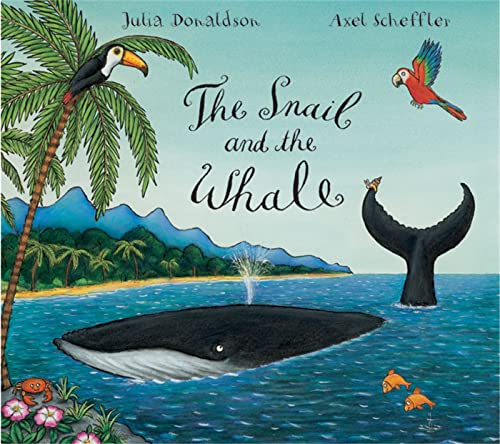
Check price of The Snail and the Whale on Amazon
The Best Quotes from The Snail and the Whale, Explained
1. “This is the tale of a tiny snail / And a great big, grey-blue humpback whale.”
Opening lines. The bouncy rhyme sets up the contrast between the tiny and the huge, which is at the heart of the story.
2. “And she gazed at the sky, the sea, the land, / The waves and the caves and the golden sand.”
The narrator. The snail sees the beauty of the world from the whale's tail. The repetition makes the lines fun to read aloud.
3. “And she gazed and gazed, amazed by it all, / And she said to the whale, 'I feel so small.'”
The snail. Seeing the vast world makes the snail feel tiny, which sets up the lesson that even small creatures can do big things.
Why These Lines Stay With Readers
The Snail and the Whale is one of the most popular picture books by the team behind The Gruffalo. Its rhythm and rhyme make it ideal for reading aloud, and children quickly learn the lines by heart. The story teaches that size does not limit courage or kindness. It was adapted into an animated film in 2019. Parents and teachers use it to start conversations about adventure, friendship and caring for the ocean. The book also introduces young readers to geography, with icebergs, volcanoes and coral reefs, and many classrooms pair it with lessons about whales. Its final scene, where the snail writes a message on a school blackboard, inspires children to believe their voice matters.
How to Use These Quotes
- In an essay: introduce the quote, give its context in one sentence, then explain how it supports your point.
- For a book club: read one line aloud and ask whether everyone agrees with the speaker.
- For a caption or card: pick a short line and credit Julia Donaldson and The Snail and the Whale.
- For a reread: look for the moment each line appears and notice what changes around it.
A Note on Quoting The Snail and the Whale Accurately
Wording can differ slightly between editions, translations and film versions, and many lines shared online are paraphrased or misattributed. If you need an exact quote for an essay, check it against a printed copy of The Snail and the Whale and note the edition and page number. The lines above are given as they appear in the book, not as they were changed for later adaptations.
When you quote in an essay, keep the quotation short and let your own explanation do most of the work. A good pattern is to name the speaker, place the line in the story, quote it and then spend two or three sentences on what it shows. Quotes from The Snail and the Whale work best when they support a clear point about a character or theme, rather than standing alone.
Reading the Lines in Context
A quote often means more once you know where it falls in the story. Before using any of these lines, reread the surrounding page or two and ask what has just happened, who is listening and what the speaker wants. The same words can sound hopeful, ironic or desperate depending on that moment. Noticing this context is what turns a memorable line into real evidence for an argument about the book.
Discussion Questions
- Which quote above best sums up The Snail and the Whale for you, and why?
- Do any of these lines mean something different once you know how the book ends?
- Which quote would you disagree with, and what would you say back?
If You Love the Writing in The Snail and the Whale
-
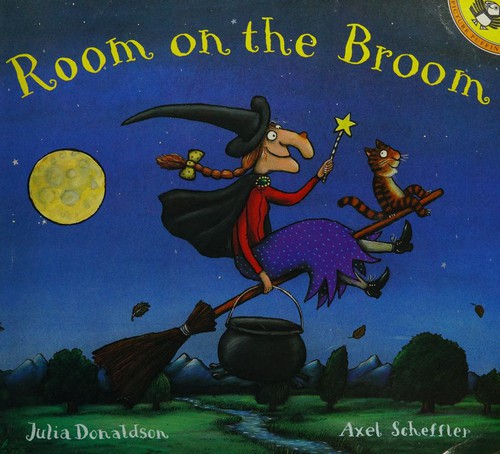
Room on the Broom by Julia Donaldson
-
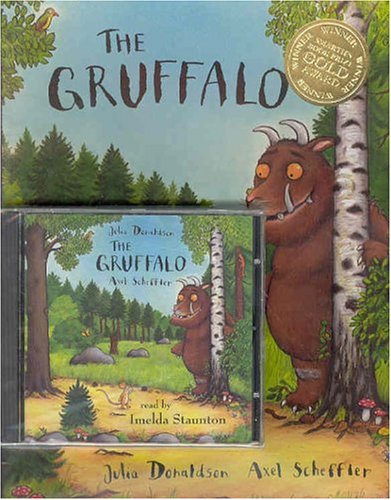
The Gruffalo by Julia Donaldson
Related: 15 Books Like The Snail and the Whale You’ll Love · What Age Is The Snail and the Whale Appropriate For? A Parent’s Guide
Frequently Asked Questions
What is the most famous quote from The Snail and the Whale?
One of the best-known lines is “This is the tale of a tiny snail / And a great big, grey-blue humpback whale.” (opening lines).
Who wrote The Snail and the Whale?
The Snail and the Whale was written by Julia Donaldson and first published in 2003.
Can I use quotes from The Snail and the Whale in an essay?
Yes. Short quotations with clear credit to Julia Donaldson are standard in essays and reviews. Always explain the quote in your own words.
What should I read after The Snail and the Whale?
Try Room on the Broom by Julia Donaldson or The Gruffalo by Julia Donaldson.