
Disclosure: As an Amazon Associate, Bookish Wisdom earns from qualifying purchases. This doesn't change our picks or your price.
Spoiler warning: this analysis discusses the whole book, including the ending of Julie of the Wolves.
Quick answer: The main themes in Julie of the Wolves by Jean Craighead George are survival and nature, cultural identity, communication, growing up and change and loss. Each is explained below with what it means, how it develops in the story and questions you can use for study or discussion.
Quick facts
- Book: Julie of the Wolves by Jean Craighead George
- First published: 1972
- Main themes: survival and nature, cultural identity, communication, growing up and change and loss
Table of Contents
About Julie of the Wolves
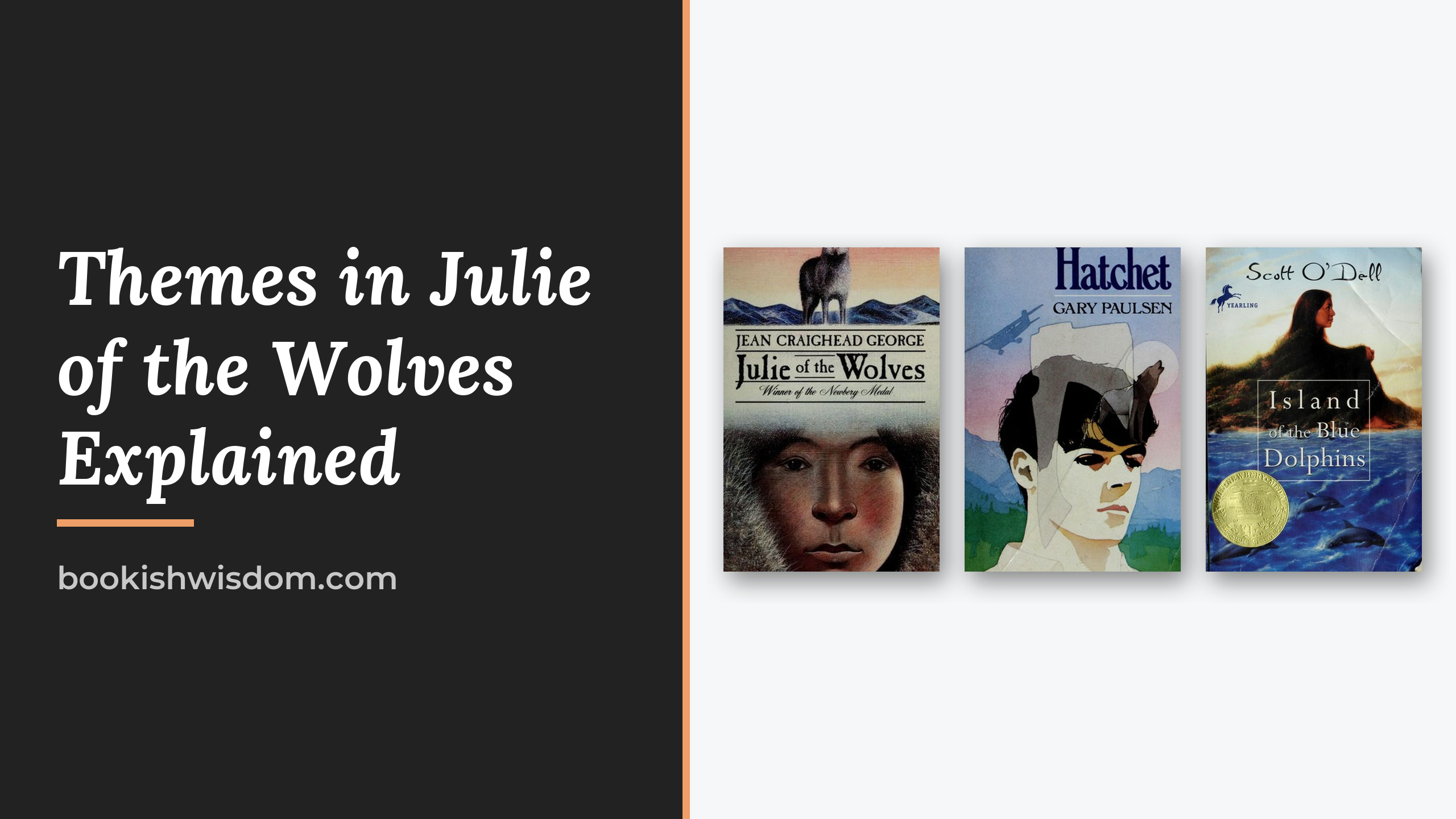
Miyax, an Inupiat girl in Alaska also known by her English name Julie, runs away from an arranged marriage in Barrow and gets lost on the vast tundra while trying to reach a pen pal in San Francisco. Starving, she studies a pack of Arctic wolves and learns to communicate with them, and the leader, Amaroq, accepts her. She survives by following traditional skills her father, Kapugen, taught her. When hunters kill Amaroq, Miyax must decide between her traditional way of life and the modern world.
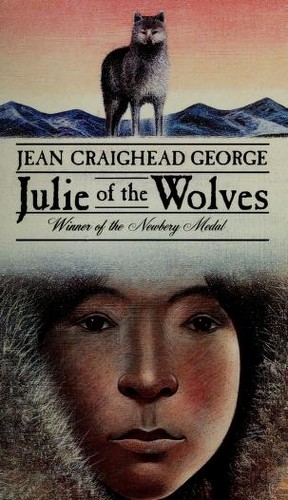
Check price of Julie of the Wolves on Amazon
The Main Themes in Julie of the Wolves
1. Survival and nature
Miyax survives by observing the wolves and using her father's teachings. The tundra is harsh, but nature rewards patience and respect.
Question to consider: Where in Julie of the Wolves does survival and nature matter most to the characters, and what does Jean Craighead George want readers to think about it?
2. Cultural identity
Miyax is torn between Inupiat traditions and modern American life. Her names, Miyax and Julie, reflect this split.
Question to consider: Where in Julie of the Wolves does cultural identity matter most to the characters, and what does Jean Craighead George want readers to think about it?
3. Communication
Miyax learns the wolves' body language. The novel shows that understanding requires close attention.
Question to consider: Where in Julie of the Wolves does communication matter most to the characters, and what does Jean Craighead George want readers to think about it?
4. Growing up
Alone, Miyax gains courage and independence. She faces adult choices about her future.
Question to consider: Where in Julie of the Wolves does growing up matter most to the characters, and what does Jean Craighead George want readers to think about it?
5. Change and loss
Hunting from planes and modern ways threaten wolves and traditions. Miyax mourns what is lost.
Question to consider: Where in Julie of the Wolves does change and loss matter most to the characters, and what does Jean Craighead George want readers to think about it?
Symbols and Motifs
- Amaroq. The wolf leader symbolizes strength, acceptance and the wild.
- The tundra. The vast landscape represents freedom and danger.
- The golden plover. The bird Tornait represents companionship and the fragility of life.
- The airplane. The plane represents the destructive power of modern technology.
How the Themes Connect
The themes connect through Miyax's journey between two worlds. Survival skills, communication with wolves and the loss of Amaroq all shape her identity. The novel won the Newbery Medal in 1973. George studied wolves in Alaska and based the story on real research into wolf behavior. Readers should note that the book includes a frightening scene in which Miyax's young husband tries to assault her, which is why it is often taught to older middle-grade readers. The ending, where Miyax returns to her father but feels betrayed, has prompted much discussion about tradition and change.
How to Write About the Themes of Julie of the Wolves
If you are writing an essay or preparing for class, these steps help:
- Pick one theme. A focused argument is stronger than a list of everything.
- Find evidence in the text. Point to specific scenes, characters and choices rather than general impressions.
- Explain, don't just describe. After each example, say what it shows about the theme.
- Connect to the ending. Ask how the final chapters resolve or complicate the theme.
- Consider other readings. A fair essay acknowledges that readers can disagree.
Discussion Questions
- Which of the themes above feels most relevant to your own life, and why?
- Do the characters in Julie of the Wolves handle survival and nature well or badly?
- How does the title relate to the themes of the book?
- Would the story change if it were set in a different time or place?
- What does Jean Craighead George leave unresolved, and why might that be?
Books With Similar Themes
-
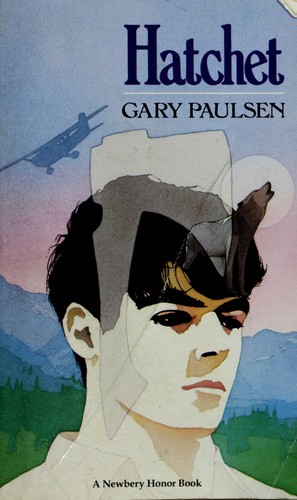
Hatchet by Gary Paulsen
-
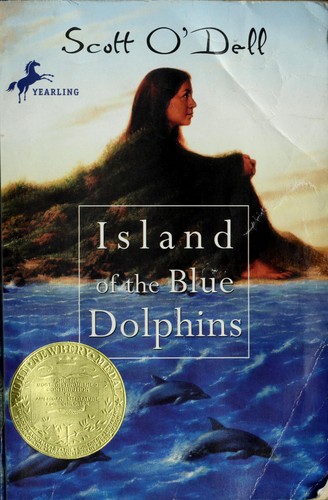
Island of the Blue Dolphins by Scott O'Dell
Related: Julie of the Wolves by Jean Craighead George: Summary and Key Takeaways · Julie of the Wolves Ending Explained
Frequently Asked Questions
What is the main theme of Julie of the Wolves?
The central theme is survival and nature, supported by cultural identity and communication.
How many themes does Julie of the Wolves have?
This guide covers 5 main themes, but readers may find others.
Who wrote Julie of the Wolves?
Julie of the Wolves was written by Jean Craighead George and first published in 1972.
Is Julie of the Wolves a good book for studying themes?
Yes. Its themes are clear enough to follow and rich enough to support essays and group discussion.
What should I read after Julie of the Wolves?
Try Hatchet by Gary Paulsen or Island of the Blue Dolphins by Scott O'Dell.