
Disclosure: As an Amazon Associate, Bookish Wisdom earns from qualifying purchases. This doesn't change our picks or your price.
Quick answer: The best quotes from White Fang by Jack London include “Dark spruce forest frowned on either side the frozen waterway.” and “It was the Wild, the savage, frozen-hearted Northland Wild.” Below are 4 of the most memorable lines, with who says them, where they come from and what they mean.
Quick facts
- Book: White Fang by Jack London
- First published: 1906
- Quotes covered: 4
- Best for: essays, captions, book club talks and rereads
Table of Contents
What White Fang Is About
White Fang is born in the frozen wilds of the Yukon, part wolf and part dog. After his mother returns to an Indigenous camp, he grows up among people and learns the harsh rules of survival. Sold to the cruel Beauty Smith, he is forced to fight other dogs until Weedon Scott rescues him. With patience and kindness, Scott slowly wins White Fang's trust and brings him home to California.
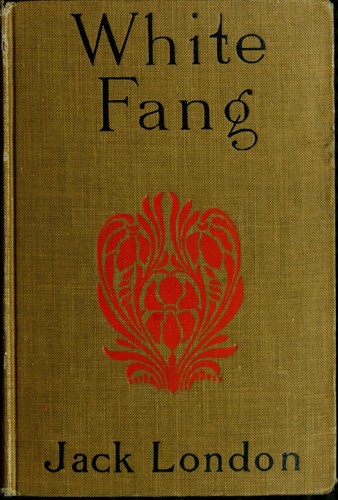
Check price of White Fang on Amazon
The Best Quotes from White Fang, Explained
1. “Dark spruce forest frowned on either side the frozen waterway.”
Opening line. The novel begins with a cold, threatening landscape. London makes nature itself feel like a character, setting the tone for White Fang's hard early life.
2. “It was the Wild, the savage, frozen-hearted Northland Wild.”
Opening chapter. London names the force that shapes everything in the first half of the book. The Wild is not evil, but it is merciless, and only the strongest survive in it.
3. “EAT OR BE EATEN.”
The law White Fang learns. As a cub, White Fang learns that life in the wild comes down to this rule. The capital letters show how deeply the lesson is fixed in him.
4. “The Wild still lingered in him and the wolf in him merely slept.”
White Fang in the south. Even after he is tamed, White Fang keeps his wild nature underneath. London suggests that kindness can change behavior without erasing what a creature is.
Why These Lines Stay With Readers
White Fang is the mirror image of The Call of the Wild: a wild animal who learns to love people instead of a pet who returns to the wild. Its lines about nature, survival and trust are often quoted alongside London's other famous novel.
How to Use These Quotes
- In an essay: introduce the quote, give its context in one sentence, then explain how it supports your point.
- For a book club: read one line aloud and ask whether everyone agrees with the speaker.
- For a caption or card: pick a short line and credit Jack London and White Fang.
- For a reread: look for the moment each line appears and notice what changes around it.
A Note on Quoting White Fang Accurately
Wording can differ slightly between editions, translations and film versions, and many lines shared online are paraphrased or misattributed. If you need an exact quote for an essay, check it against a printed copy of White Fang and note the edition and page number. The lines above are given as they appear in the book, not as they were changed for later adaptations.
When you quote in an essay, keep the quotation short and let your own explanation do most of the work. A good pattern is to name the speaker, place the line in the story, quote it and then spend two or three sentences on what it shows. Quotes from White Fang work best when they support a clear point about a character or theme, rather than standing alone.
Discussion Questions
- Which quote above best sums up White Fang for you, and why?
- Do any of these lines mean something different once you know how the book ends?
- Which quote would you disagree with, and what would you say back?
If You Love the Writing in White Fang
-
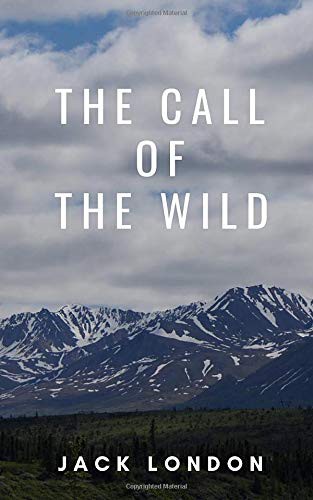
The Call of the Wild by Jack London
-
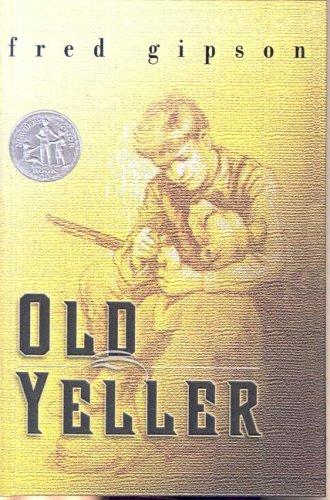
Old Yeller by Fred Gipson
Related: White Fang by Jack London: Summary and Key Takeaways · White Fang Characters: A Complete Guide
Frequently Asked Questions
What is the most famous quote from White Fang?
One of the best-known lines is “Dark spruce forest frowned on either side the frozen waterway.” (opening line).
Who wrote White Fang?
White Fang was written by Jack London and first published in 1906.
Can I use quotes from White Fang in an essay?
Yes. Short quotations with clear credit to Jack London are standard in essays and reviews. Always explain the quote in your own words.
What should I read after White Fang?
Try The Call of the Wild by Jack London or Old Yeller by Fred Gipson.