
Disclosure: As an Amazon Associate, Bookish Wisdom earns from qualifying purchases. This doesn't change our picks or your price.
Quick answer: The best quotes from The Call of the Wild by Jack London include “Buck did not read the newspapers, or he would have known that trouble was brewing, not alone for himself, but for every tide-water dog.” and “He had been beaten (he knew that); but he was not broken.” Below are 5 of the most memorable lines, with who says them, where they come from and what they mean.
Quick facts
- Book: The Call of the Wild by Jack London
- First published: 1903
- Quotes covered: 5
- Best for: essays, captions, book club talks and rereads
Table of Contents
What The Call of the Wild Is About
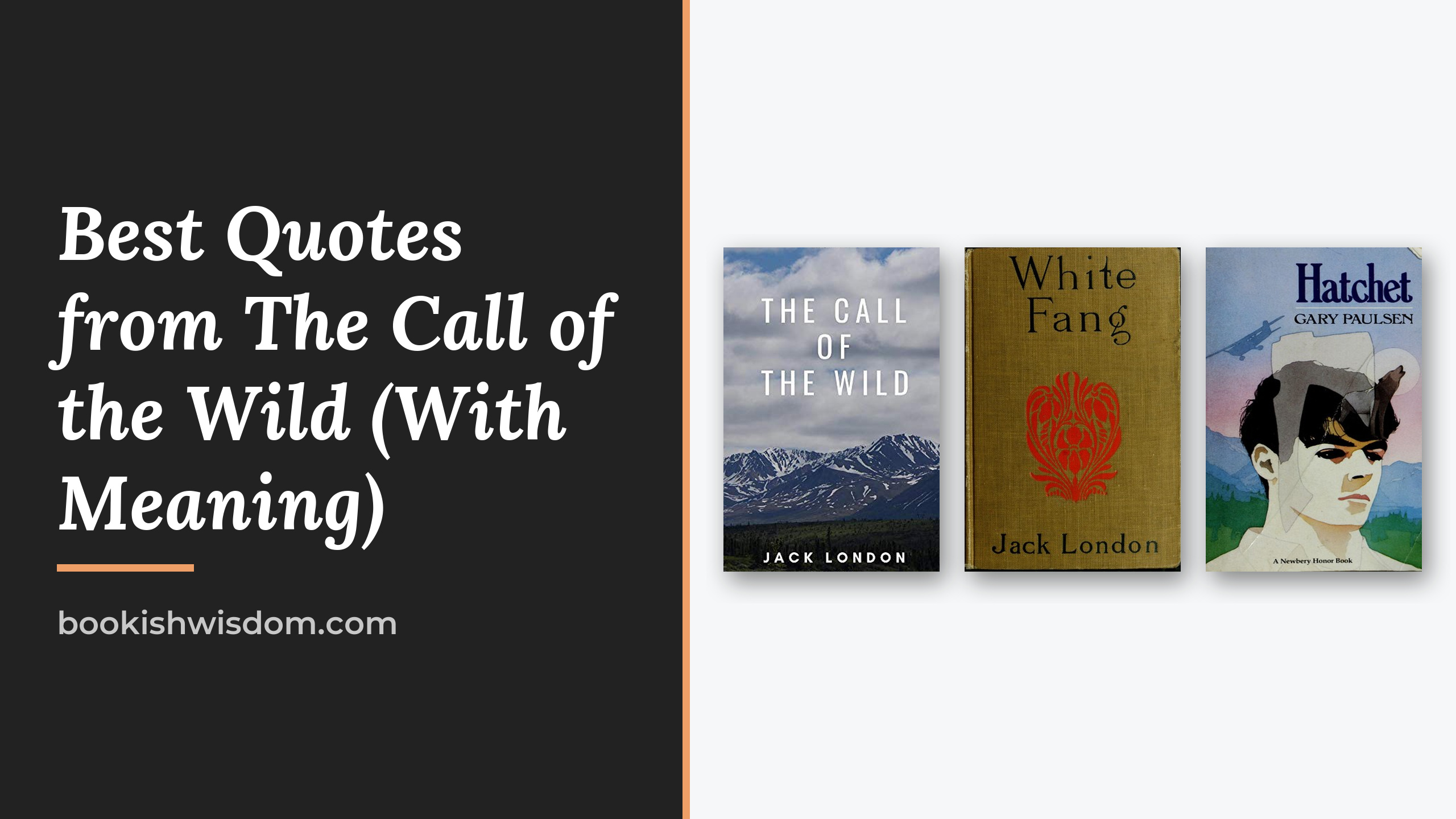
Buck is a big, comfortable dog living on a judge's estate in California when he is stolen and sold to work as a sled dog in the Yukon during the Klondike Gold Rush. He learns brutal lessons about survival, fights the lead dog Spitz and becomes a leader himself. After cruel and careless owners, he finds love with John Thornton, but the call of the wild keeps pulling him toward the forest and the wolves.
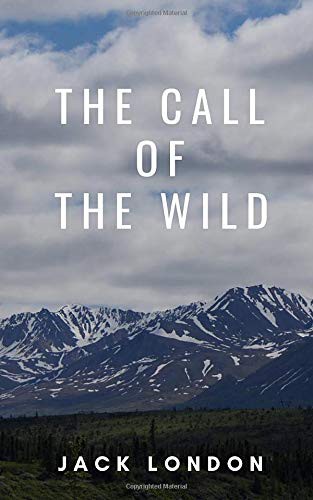
Check price of The Call of the Wild on Amazon
The Best Quotes from The Call of the Wild, Explained
1. “Buck did not read the newspapers, or he would have known that trouble was brewing, not alone for himself, but for every tide-water dog.”
Opening line. London opens with a wry joke that also warns of danger. The gold rush has created a demand for strong dogs, and Buck's comfortable life is about to end.
2. “He had been beaten (he knew that); but he was not broken.”
After the man in the red sweater. Buck learns he cannot win against a man with a club, but his spirit survives. The line marks the difference between giving in and adapting, which runs through the whole book.
3. “There is an ecstasy that marks the summit of life, and beyond which life cannot rise.”
Buck leading the chase. London describes the pure joy Buck feels running at full speed under the moon. It is one of the novel's most poetic passages about being fully alive.
4. “He was mastered by the sheer surging of life, the tidal wave of being.”
The same chase. This line continues the description of Buck's wild joy. London suggests that the deepest happiness comes from acting on instinct with total energy.
5. “Deep in the forest a call was sounding.”
Buck hears the wild. The call stands for Buck's ancient instincts. It grows louder through the novel until he finally answers it, which gives the book its title and its ending.
Why These Lines Stay With Readers
The Call of the Wild is short, fast and fierce, and its lines about survival, loyalty and instinct still feel powerful. Readers quote it when they talk about adapting to hardship without losing who they are.
How to Use These Quotes
- In an essay: introduce the quote, give its context in one sentence, then explain how it supports your point.
- For a book club: read one line aloud and ask whether everyone agrees with the speaker.
- For a caption or card: pick a short line and credit Jack London and The Call of the Wild.
- For a reread: look for the moment each line appears and notice what changes around it.
Discussion Questions
- Which quote above best sums up The Call of the Wild for you, and why?
- Do any of these lines mean something different once you know how the book ends?
- Which quote would you disagree with, and what would you say back?
If You Love the Writing in The Call of the Wild
-
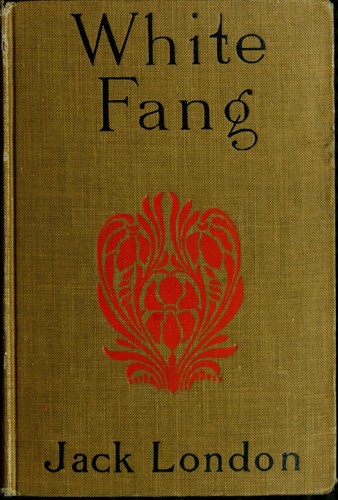
White Fang by Jack London
-
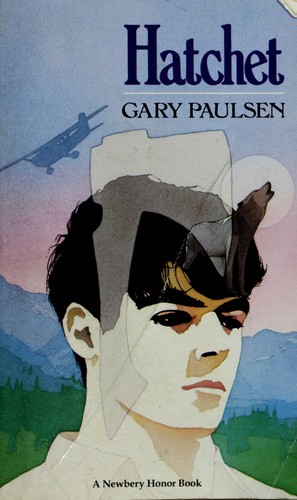
Hatchet by Gary Paulsen
Related: The Call of the Wild by Jack London: Summary and Key Takeaways · Themes in The Call of the Wild Explained
Frequently Asked Questions
What is the most famous quote from The Call of the Wild?
One of the best-known lines is “Buck did not read the newspapers, or he would have known that trouble was brewing, not alone for himself, but for every tide-water dog.” (opening line).
Who wrote The Call of the Wild?
The Call of the Wild was written by Jack London and first published in 1903.
Can I use quotes from The Call of the Wild in an essay?
Yes. Short quotations with clear credit to Jack London are standard in essays and reviews. Always explain the quote in your own words.
What should I read after The Call of the Wild?
Try White Fang by Jack London or Hatchet by Gary Paulsen.