
Disclosure: As an Amazon Associate, Bookish Wisdom earns from qualifying purchases. This doesn't change our picks or your price.
Quick answer: The best quotes from The Jungle Book by Rudyard Kipling include “It was seven o'clock of a very warm evening in the Seeonee hills when Father Wolf woke up from his day's rest.” and “We be of one blood, ye and I.” Below are 5 of the most memorable lines, with who says them, where they come from and what they mean.
Quick facts
- Book: The Jungle Book by Rudyard Kipling
- First published: 1894
- Quotes covered: 5
- Best for: essays, captions, book club talks and rereads
Table of Contents
What The Jungle Book Is About
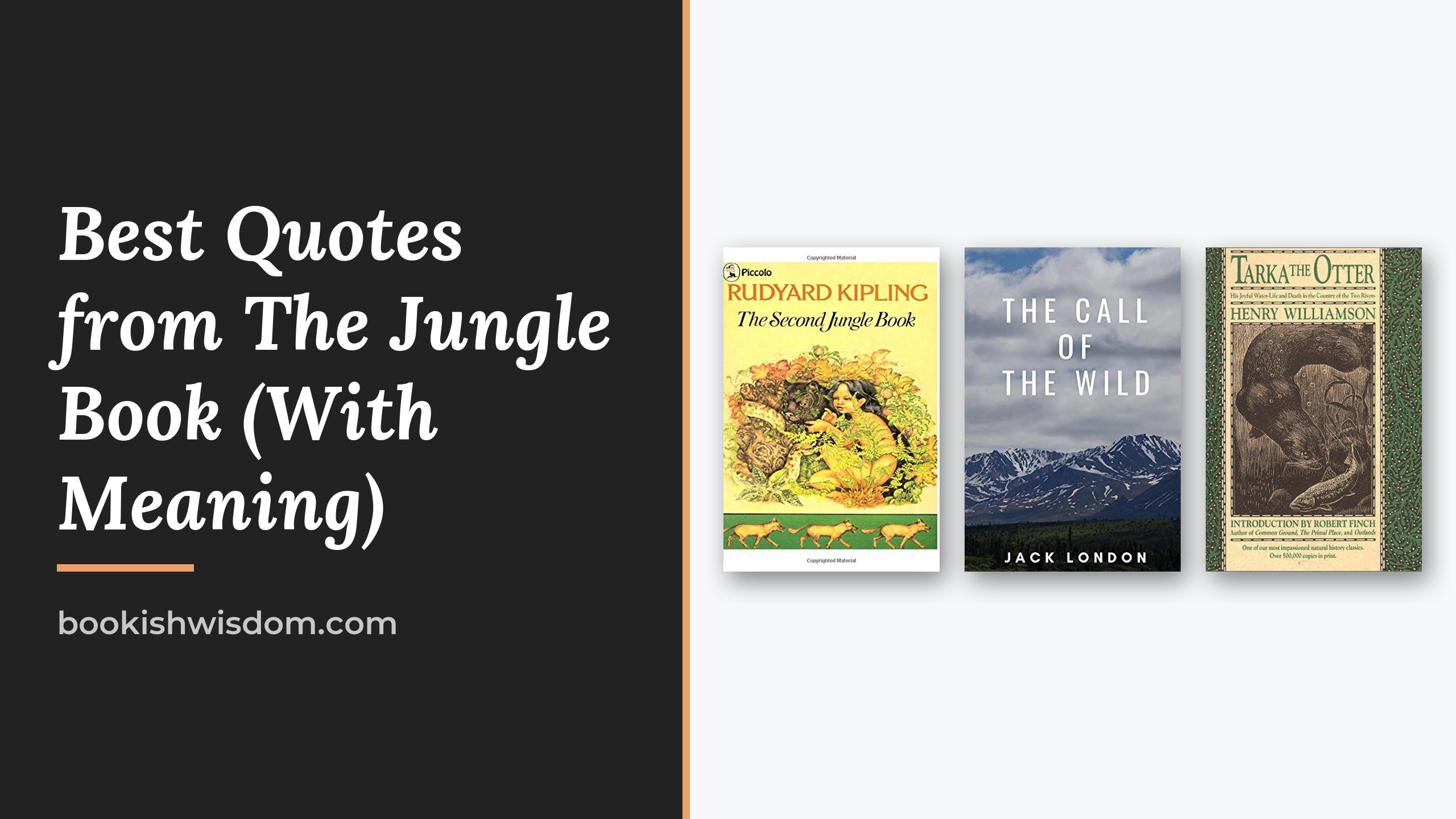
The Jungle Book is a collection of stories set mostly in the forests of India. The best known follow Mowgli, a human boy raised by wolves, who learns the Law of the Jungle from Baloo the bear and Bagheera the panther while the tiger Shere Khan hunts him. Other stories include Rikki-Tikki-Tavi, a brave mongoose who protects a family from cobras, and The White Seal.
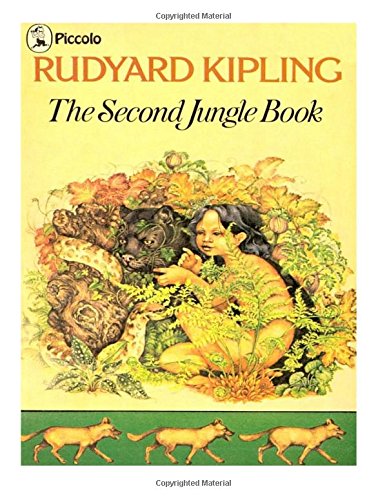
Check price of The Jungle Book on Amazon
The Best Quotes from The Jungle Book, Explained
1. “It was seven o'clock of a very warm evening in the Seeonee hills when Father Wolf woke up from his day's rest.”
Opening of Mowgli's Brothers. Kipling starts the first story inside the wolves' world, not the human one. Readers meet the jungle as its animals know it, which is why Mowgli's place there feels natural.
2. “We be of one blood, ye and I.”
The Master Words of the Jungle. Baloo teaches Mowgli these words so that every creature will treat him as kin. The line is about respect and belonging across differences, and it is one of the most remembered phrases in the book.
3. “Now Chil the Kite brings home the night / That Mang the Bat sets free.”
Night-Song in the Jungle. This short poem opens the book and sets the scene as darkness falls and the hunters wake. Kipling's poems between the stories give the jungle its own voice and rhythm.
4. “This is the story of the great war that Rikki-tikki-tavi fought single-handed, through the bath-rooms of the big bungalow in Segowlee cantonment.”
Opening of Rikki-Tikki-Tavi. The grand words describe a small mongoose's fight with snakes. The mock-heroic tone makes the story exciting and a little funny at the same time.
5. “Rikk-tikk-tikki-tikki-tchk!”
Rikki-tikki-tavi's war-cry. The mongoose's cry announces his courage. Children love saying it aloud, and it has become one of the best-known sounds in children's literature.
Why These Lines Stay With Readers
The Jungle Book has stayed popular for more than a century because its stories feel like legends. Its lines mix poetry, adventure and rules for living, and many of them, like the Master Words, are still quoted by readers, scouts and teachers.
How to Use These Quotes
- In an essay: introduce the quote, give its context in one sentence, then explain how it supports your point.
- For a book club: read one line aloud and ask whether everyone agrees with the speaker.
- For a caption or card: pick a short line and credit Rudyard Kipling and The Jungle Book.
- For a reread: look for the moment each line appears and notice what changes around it.
A Note on Quoting The Jungle Book Accurately
Wording can differ slightly between editions, translations and film versions, and many lines shared online are paraphrased or misattributed. If you need an exact quote for an essay, check it against a printed copy of The Jungle Book and note the edition and page number. The lines above are given as they appear in the book, not as they were changed for later adaptations.
When you quote in an essay, keep the quotation short and let your own explanation do most of the work. A good pattern is to name the speaker, place the line in the story, quote it and then spend two or three sentences on what it shows. Quotes from The Jungle Book work best when they support a clear point about a character or theme, rather than standing alone.
Discussion Questions
- Which quote above best sums up The Jungle Book for you, and why?
- Do any of these lines mean something different once you know how the book ends?
- Which quote would you disagree with, and what would you say back?
If You Love the Writing in The Jungle Book
-
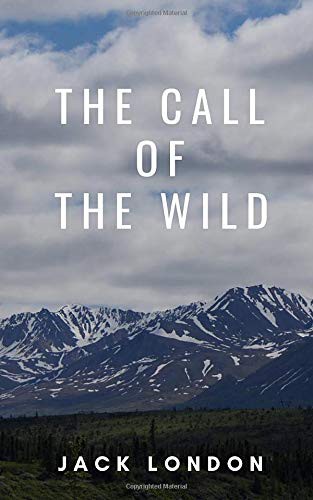
The Call of the Wild by Jack London
-
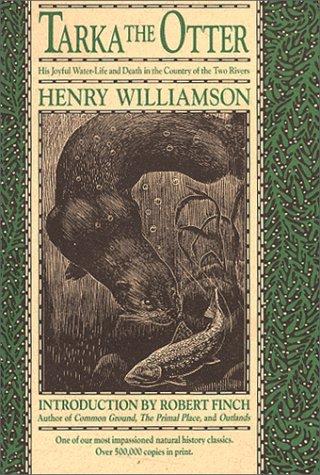
Tarka the Otter by Henry Williamson
Related: The Jungle Book by Rudyard Kipling: Summary and Key Takeaways · The Jungle Book Characters: A Complete Guide
Frequently Asked Questions
What is the most famous quote from The Jungle Book?
One of the best-known lines is “It was seven o'clock of a very warm evening in the Seeonee hills when Father Wolf woke up from his day's rest.” (opening of Mowgli's Brothers).
Who wrote The Jungle Book?
The Jungle Book was written by Rudyard Kipling and first published in 1894.
Can I use quotes from The Jungle Book in an essay?
Yes. Short quotations with clear credit to Rudyard Kipling are standard in essays and reviews. Always explain the quote in your own words.
What should I read after The Jungle Book?
Try The Call of the Wild by Jack London or Tarka the Otter by Henry Williamson.