
Disclosure: As an Amazon Associate, Bookish Wisdom earns from qualifying purchases. This doesn't change our picks or your price.
TL;DR: Augusten Burroughs recounts being sent at age twelve to live with his mother's psychiatrist and his unusual family in Massachusetts. The household is chaotic and unsafe, and the young Augusten tries to survive and make sense of the adults around him.
Table of Contents
Running with Scissors at a Glance
| Author | Augusten Burroughs |
| First published | 2002 |
| Type | Memoir |
| Best for | readers who like dark, funny memoirs about strange families |
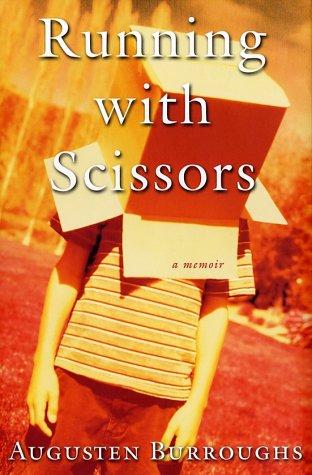
Running with Scissors is a memoir by Augusten Burroughs, first published in 2002. The memoir was a bestseller and was adapted into a 2006 film. The family depicted in the book disputed parts of it. Below you will find a part-by-part summary, five key takeaways, a few ideas worth remembering and a note on who will enjoy it most. The summary paraphrases the author's ideas rather than quoting them at length, so it works as a refresher or a preview, not a replacement for the book.
Content note: Contains child neglect, abuse and mature content.
The Story, Part by Part
A broken home
Augusten's mother is mentally unstable, and his father is distant. When his parents separate, his mother turns to Dr. Finch, her psychiatrist.
The Finch house
He is placed with the Finch family in a messy house. The doctor holds eccentric beliefs and the children are allowed to do almost anything.
Strange rules
Rules are few, and the family's habits are odd. Augusten tries to adapt to the household and its characters.
Dangerous situations
Augusten faces neglect and inappropriate situations with adults. The memoir treats these in a darkly comic voice.
Friendship and ambition
He forms close ties with a Finch daughter and dreams of becoming a writer.
Getting out
The memoir ends with Augusten seeking a way to leave and build his own life.
5 Key Takeaways
- Adults who should protect children can fail them.
- Humor can be a way to survive.
- Family is not defined by blood only.
- Memory is subjective, and memoir is a form of storytelling.
- Resilience can grow in difficult circumstances.
Ideas Worth Remembering
These are paraphrased, not direct quotes:
- The book mixes comedy and trauma.
- The Finch family disputed his portrayal.
- It is not meant to be a model for parenting or therapy.
Who Should Read Running with Scissors?
Read it if you like dark humor and memoirs about odd childhoods. It has serious abuse themes.
Questions to Think About After Reading
These prompts work for solo reading, a book club or a classroom discussion of Running with Scissors:
- Which moment in the author's life stayed with you longest?
- How does the author's voice shape the way you judge the people in the story?
- What would you want to ask the author if you could?
Quick Facts to Remember
- Book: Running with Scissors by Augusten Burroughs (2002)
- Type: Memoir
- Best for: readers who like dark, funny memoirs about strange families
- Main idea in one line: Adults who should protect children can fail them.
Reading Time and Format
A memoir is often best in one or two long sittings so the voice stays consistent. An audiobook read by the author, where one exists, can add a lot. Whichever format you choose, a library copy is a low-cost way to try the book before you buy, and used or digital editions are often cheaper than new print copies.
How to Use This Summary
Use this page as a quick reference before a book club meeting, an exam, or a decision about whether Running with Scissors is worth your time. The takeaways are written to stand on their own. If a point interests you, go back to the book for the author's full argument, examples and style, which no short summary can carry.
A simple way to get the most from it: first read the TL;DR and the takeaways to decide if the book fits your interests, then read the part-by-part section for the structure, and finally write down one idea you want to remember or one question you want answered by the full text.
A Note on Accuracy and Spoilers
This summary is based on the published text of Running with Scissors, not on any film, series or stage adaptation, which often change the story. Details are kept at the level of the main events so that nothing is invented. Editions differ slightly in length and wording, so page numbers and small details may vary from your copy.
Should You Read the Book?
If you decide to read it, give the first chapters time. A memoir depends on voice, and the details of a life land harder in the author's own telling than in any summary. If you are still unsure, read a free sample or the first chapter, because the opening pages usually show whether the voice and subject suit you. Reviews from readers with tastes like yours can help too, but your own reaction to a few pages is the best test.
Check price of Running with Scissors on Amazon
What to Read Next
- Dry by Augusten Burroughs: his memoir of alcoholism
- The Glass Castle by Jeannette Walls: a memoir of a chaotic childhood
- Me Talk Pretty One Day by David Sedaris: funny essays about family and life
Related: 15 Books Like Running with Scissors You’ll Love
Frequently Asked Questions
Is Running with Scissors a true story?
It is a memoir, though the Finch family disputed some details.
Is there a movie?
Yes. A 2006 film.
Is it funny?
Yes, but the humor is dark.
Is Running with Scissors worth reading?
It depends on what you want. The book is best for readers who like dark, funny memoirs about strange families. If that describes you, it is likely a good fit. If not, the titles under What to Read Next may suit you better.
Can this summary replace reading Running with Scissors?
No. A summary covers the main events and ideas, but it cannot carry the author's voice, detail or pacing. Use it to decide whether to read the book, to refresh your memory or to prepare for a discussion.