
Disclosure: As an Amazon Associate, Bookish Wisdom earns from qualifying purchases. This doesn't change our picks or your price.
TL;DR: After being expelled from his prep school, sixteen-year-old Holden Caulfield spends a few lonely days wandering New York before going home. He calls nearly everyone “phony”, but beneath his sarcasm is deep grief for his dead brother and a wish to protect innocence.
Table of Contents
The Catcher in the Rye at a Glance
| Author | J.D. Salinger |
| First published | 1951 |
| Type | Novel |
| Best for | readers who want the classic voice of teenage alienation and grief |
The Catcher in the Rye is a novel by J.D. Salinger, first published in 1951. Told in Holden's distinctive, slangy voice, it became one of the most famous and most challenged books in American literature. Below you will find a part-by-part summary, five key takeaways, ideas worth remembering and a note on who will enjoy it.
Content note: Includes profanity, sexual references and discussions of death.
What Happens, Part by Part (Contains Spoilers)
Leaving Pencey
Holden is kicked out of Pencey Prep just before Christmas break. He visits his old teacher Mr. Spencer, fights with his roommate Stradlater over a girl Holden likes, Jane Gallagher, and decides to leave school early instead of waiting for vacation. He takes a train to New York but does not go home.
A hotel in New York
Holden checks into a seedy hotel. He tries to connect with people at bars and clubs, but conversations go nowhere. He hires a prostitute, Sunny, but only wants to talk; her pimp Maurice later beats Holden for more money. Holden feels lonelier and more depressed.
Sally and old friends
Holden takes Sally Hayes on a date and suggests they run away to New England. When she refuses, he insults her. He meets an old acquaintance, Carl Luce, who suggests he see a psychiatrist. Drunk and miserable, Holden wanders Central Park, worrying about where the ducks go in winter.
Phoebe and Mr. Antolini
Holden sneaks into his family's apartment to see his younger sister Phoebe, the person he loves most. He tells her he wants to be “the catcher in the rye”, catching children before they fall off a cliff. He visits his old teacher Mr. Antolini, but leaves upset after waking to find Antolini patting his head.
The ending
Holden plans to run away out West, but Phoebe insists on coming with him. Moved, he agrees to stay. He watches her ride the carousel in the rain and feels deeply happy. In a brief closing, he hints that he became ill and is now in a rest home, missing everyone he wrote about.
5 Key Takeaways
- Grief can hide behind anger and sarcasm.
- Growing up often feels like losing innocence.
- Loneliness is often a sign of wanting connection, not rejecting it.
- Protecting others can be a way of protecting yourself.
- Small moments of love, like with Phoebe, can save us.
Ideas Worth Remembering
These are paraphrased, not direct quotes:
- Phony people are not the only problem; fear of change is too.
- Sometimes you need someone to let you grow up in your own time.
- Happiness can come in an ordinary moment.
Who Should Read The Catcher in the Rye?
Read The Catcher in the Rye if you enjoy unforgettable narrators and coming-of-age stories. It is often taught in high school, and many adults reread it with new understanding.
Questions to Think About After Reading
These prompts work for solo reading, a book club or a classroom discussion of The Catcher in the Rye:
- Why does Holden call people “phony”?
- What does the carousel scene mean?
- Is Holden a reliable narrator?
How to Use This Summary
Use this page as a quick reference before a book club meeting, an exam, or a decision about whether The Catcher in the Rye is worth your time. The takeaways are written to stand on their own. If a point interests you, go back to the book for the author's full story, characters and style, which no short summary can replace.
A Note on Accuracy and Spoilers
This summary is based on the published text of The Catcher in the Rye, not on any film, series or stage adaptation, which often change the story. Details are kept at the level of the main events so that nothing is invented. Editions differ slightly in length and wording, so page numbers and small details may vary between copies.
Should You Read the Book?
If the summary caught your interest, read the opening chapters before you decide. A summary tells you what happens, but the voice and pacing are what make a book work or not.
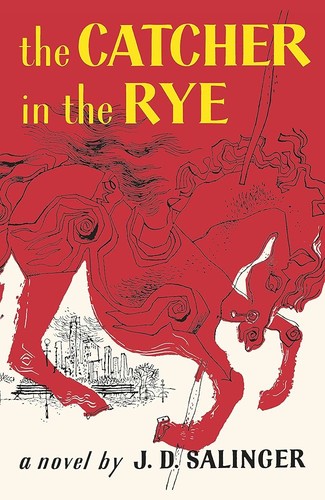
Check price of The Catcher in the Rye on Amazon
What to Read Next
- The Perks of Being a Wallflower by Stephen Chbosky: a modern coming-of-age story in letters
- Franny and Zooey by J.D. Salinger: more Salinger
- A Separate Peace by John Knowles: another prep school classic
Related: 15 Books Like The Catcher in the Rye You’ll Love · What Age Is The Catcher in the Rye Appropriate For? A Parent’s Guide
Frequently Asked Questions
What is The Catcher in the Rye about?
An expelled teen wanders New York for a few days, struggling with loneliness and grief.
What does the title mean?
Holden imagines catching children before they fall off a cliff, protecting their innocence.
Who is Allie?
Holden's younger brother, who died of leukemia.
Who is Phoebe?
Holden's younger sister, whom he adores.
Why is it banned?
It has been challenged for profanity, sex and rebellion.
Is there a movie?
No. Salinger refused to allow a film adaptation.
How old is Holden?
Sixteen during the story.
Where does Holden tell the story from?
He hints that he is in a rest home or hospital.
Is The Catcher in the Rye worth reading?
It depends on what you want. The book is best for readers who want the classic voice of teenage alienation and grief. If that describes you, it is likely a good fit. If not, the titles under What to Read Next may suit you better.