

Disclosure: As an Amazon Associate, Bookish Wisdom earns from qualifying purchases. This doesn't change our picks or your price.
TL;DR: Anne Frank, a Jewish girl in Amsterdam, receives a diary for her thirteenth birthday in 1942. Weeks later, her family goes into hiding in a secret annex behind her father's office to escape the Nazis. For two years, Anne writes about fear, family conflict, first love and her hopes to become a writer, until the family is betrayed and arrested.
Table of Contents
The Diary of a Young Girl at a Glance
| Author | Anne Frank |
| First published | 1947 |
| Type | Diary |
| Best for | readers of all ages who want one of the most important true accounts of World War II |
The Diary of a Young Girl is the diary of Anne Frank, first published in Dutch in 1947 as Het Achterhuis (The Secret Annex). Her father, Otto Frank, the only member of the family to survive, published it after the war. It has been translated into more than 70 languages. Below you will find a part-by-part summary, five key takeaways, ideas worth remembering and a note on who will enjoy it.
Content note: Includes the Holocaust, fear of arrest and, after the diary ends, the deaths of the writer and her family.
Key Concepts
- Anne Frank: A lively, observant teenager and the diary's author.
- Otto Frank: Anne's beloved father.
- Margot Frank: Anne's quiet older sister.
- Peter van Pels: A shy boy in hiding with whom Anne grows close.
- Miep Gies: One of the brave helpers who supplied the annex and saved the diary.
The Main Ideas, Part by Part
Before hiding
Anne receives a red-checked diary on June 12, 1942. She names it “Kitty” and writes about school, friends and the anti-Jewish laws in occupied Amsterdam. In July, Margot receives a call-up notice for a labor camp, and the family goes into hiding the next day.
The Secret Annex
The Franks hide in rooms above and behind Otto's business at Prinsengracht 263, behind a movable bookcase. They are joined by the van Pels family, called the van Daans in the diary, and later by the dentist Fritz Pfeffer, called Albert Dussel. Helpers, including Miep Gies, bring food and news.
Life in hiding
Eight people live in cramped rooms, keeping silent during the day. Anne argues with her mother and the adults, describes break-ins and air raids and worries about friends taken away. She writes about her body, her moods and her inner life with striking honesty.
Growing up
Anne grows close to Peter van Pels and shares her first kiss. After hearing a radio broadcast urging Dutch people to save their wartime diaries, she begins rewriting her entries for a future book. She dreams of becoming a journalist and writer.
The end
The last entry is dated August 1, 1944. On August 4, the annex is raided after a betrayal, and all eight are deported. Anne and Margot died of typhus at the Bergen-Belsen camp in early 1945. Otto survived and, after Miep Gies gave him the saved diary, published it.
5 Key Takeaways
- Ordinary voices can bear witness to history.
- Hope can survive in terrible conditions.
- Writing helps us understand ourselves.
- Prejudice can lead to unimaginable cruelty.
- Courageous helpers can make a difference.
Ideas Worth Remembering
These are paraphrased, not direct quotes:
- In spite of everything, I still believe that people are really good at heart.
- Paper is more patient than people.
- How wonderful it is that nobody need wait a single moment before starting to improve the world.
Who Should Read The Diary of a Young Girl?
Read The Diary of a Young Girl if you want a deeply human account of the Holocaust. It suits readers aged 12 and up and is valuable at any age.
Questions to Think About After Reading
These prompts work for solo reading, a book club or a classroom discussion of The Diary of a Young Girl:
- How does Anne change during her time in hiding?
- Why is her diary so powerful today?
- What role did the helpers play?
How to Use This Summary
Use this page as a quick reference before a book club meeting, an exam, or a decision about whether The Diary of a Young Girl is worth your time. The takeaways are written to stand on their own. If a point interests you, go back to the book for the author's full argument, examples and evidence, which no short summary can replace.
A Note on Accuracy and Spoilers
This summary is based on the published text of The Diary of a Young Girl, not on any film, series or stage adaptation, which often change the story. Details are kept at the level of the main arguments so that nothing is invented. Editions differ slightly in length and wording, so page numbers and small details may vary between copies.
Should You Read the Book?
Yes. It is one of the most important books of the twentieth century, and Anne's voice is lively, funny and surprisingly modern. Some readers find the daily details slow, but those details are exactly what make the story real. Choose the Definitive Edition for the fullest text, including passages that were removed from early editions.
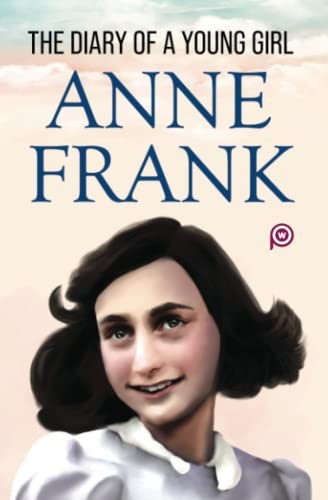
Check price of The Diary of a Young Girl on Amazon
What to Read Next
- Night by Elie Wiesel: a survivor's account of the camps
- Number the Stars by Lois Lowry: a novel about rescuing Danish Jews
- Anne Frank Remembered by Miep Gies: the story of Anne's helper
Related: 15 Books Like The Diary of a Young Girl You’ll Love
Frequently Asked Questions
What is The Diary of a Young Girl about?
Anne Frank's life in hiding from the Nazis in Amsterdam from 1942 to 1944.
How long did Anne hide?
About two years, from July 1942 to August 1944.
Who betrayed the Franks?
It is still unknown. Several theories exist.
How did Anne die?
Of typhus at the Bergen-Belsen camp in early 1945.
Who survived?
Only Otto Frank, her father.
Who saved the diary?
Miep Gies, one of the helpers.
What is the Definitive Edition?
A fuller version that restores passages left out of the first edition.
Can you visit the Secret Annex?
Yes, at the Anne Frank House museum in Amsterdam.
What age is it for?
About 12 and up.
How long is it?
About 280 to 340 pages, depending on the edition.
Is The Diary of a Young Girl worth reading?
It depends on what you want. The book is best for readers of all ages who want one of the most important true accounts of World War II. If that describes you, it is likely a good fit. If not, the titles under What to Read Next may suit you better.