
Disclosure: As an Amazon Associate, Bookish Wisdom earns from qualifying purchases. This doesn't change our picks or your price.
TL;DR: In Ayemenem, Kerala, in 1969, seven-year-old twins Rahel and Estha live with their divorced mother, Ammu, in a troubled extended family. When their English cousin, Sophie Mol, visits, a series of events leads to her drowning and to the brutal punishment of Velutha, a low-caste man whom Ammu loves. Twenty-three years later, the twins reunite.
Table of Contents
The God of Small Things at a Glance
| Author | Arundhati Roy |
| First published | 1997 |
| Type | Novel |
| Best for | readers who want a lyrical, heartbreaking literary novel about family and forbidden love |
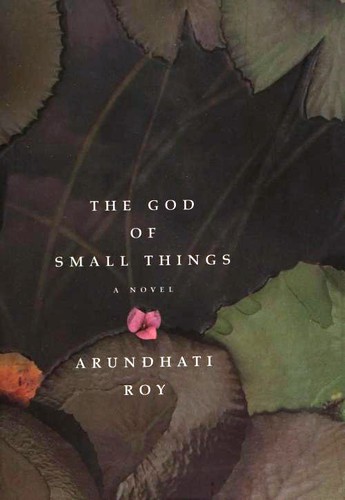
The God of Small Things is the debut novel of Indian author Arundhati Roy, published in 1997. It won the Booker Prize. Below you will find a part-by-part summary, five key takeaways, ideas worth remembering and a note on who will enjoy it.
Content note: Includes child abuse, violence, death and incest.
Main Characters
- Rahel: One of the twins, the narrator's main focus.
- Estha: Rahel's twin brother.
- Ammu: The twins' divorced, spirited mother.
- Velutha: A gifted carpenter from a lower caste, who loves Ammu.
- Baby Kochamma: The twins' bitter great-aunt.
What Happens, Part by Part (Contains Spoilers)
Ayemenem
The story moves between 1969 and 1993. In 1969, the twins live in their grandmother's house with Ammu, their uncle Chacko and the scheming Baby Kochamma. Ammu, divorced from an alcoholic husband, is treated as an outcast.
The visit
Chacko's English ex-wife, Margaret, and their daughter, Sophie Mol, arrive for a visit. On a trip to see The Sound of Music, Estha is sexually abused by a man at the theater, which traumatizes him.
Forbidden love
Ammu begins a secret affair with Velutha, a Paravan, considered “untouchable” by the caste system. When Ammu's mother learns of it, she locks Ammu in her room. The twins and Sophie Mol run away in a boat across the river.
Tragedy
The boat capsizes, and Sophie Mol drowns. Baby Kochamma falsely accuses Velutha of kidnapping the children. Police beat Velutha nearly to death, and Estha is pressured into confirming the lie. Velutha dies. Estha is sent to live with his father.
The ending
Ammu dies alone at thirty-one. In 1993, Rahel returns to Ayemenem to see Estha, who has stopped speaking. The twins share a moment of intense closeness. The novel ends with a flashback to Ammu and Velutha's love.
5 Key Takeaways
- Rigid social rules destroy lives.
- Small moments can change everything.
- Childhood trauma lasts.
- Love can defy laws, at great cost.
- Families can both protect and harm.
Ideas Worth Remembering
These are paraphrased, not direct quotes:
- Things can change in a day.
- The Love Laws decide who should be loved, and how, and how much.
- Small things matter as much as big ones.
Who Should Read The God of Small Things?
Read The God of Small Things if you want a beautiful, challenging literary novel. It suits adults.
Questions to Think About After Reading
These prompts work for solo reading, a book club or a classroom discussion of The God of Small Things:
- What are the Love Laws?
- Why is Velutha punished?
- How does the nonlinear structure affect the story?
How to Use This Summary
Use this page as a quick reference before a book club meeting, an exam, or a decision about whether The God of Small Things is worth your time. The takeaways are written to stand on their own. If a point interests you, go back to the book for the author's full story, characters and style, which no short summary can replace.
A Note on Accuracy and Spoilers
This summary is based on the published text of The God of Small Things, not on any film, series or stage adaptation, which often change the story. Details are kept at the level of the main events so that nothing is invented. Editions differ slightly in length and wording, so page numbers and small details may vary between copies.
Should You Read the Book?
Yes, if you enjoy lyrical, experimental prose. Roy plays with language, time and childhood perspective in dazzling ways. The nonlinear structure can be confusing, and the subject matter is often painful, but it is a deeply rewarding book.
Check price of The God of Small Things on Amazon
What to Read Next
- The Ministry of Utmost Happiness by Arundhati Roy: Roy's second novel
- A Fine Balance by Rohinton Mistry: life in India during upheaval
- Midnight's Children by Salman Rushdie: a Booker-winning Indian epic
Frequently Asked Questions
What is The God of Small Things about?
Twins in Kerala and the tragedy that shapes their family.
Did it win the Booker?
Yes, in 1997.
Who is Velutha?
A low-caste carpenter who loves Ammu.
What happens to Sophie Mol?
She drowns in the river.
Where is it set?
Ayemenem, in Kerala, India.
How long is it?
About 340 pages.
Is it hard to read?
It is lyrical and nonlinear, which takes some getting used to.
What does the title mean?
Velutha is the “god of small things,” the small joys and loss.
Who is Baby Kochamma?
The twins' bitter great-aunt, whose jealousy and fear lead her to frame Velutha and manipulate the children.
Why does Estha stop speaking?
The trauma of being forced to betray Velutha and being sent away leaves him silent for years.
Is the book about caste?
Yes. Ammu and Velutha's love breaks the rules of caste and class that control who may love whom.
Who are the main characters in The God of Small Things?
The main characters are Rahel, Estha, Ammu, Velutha and Baby Kochamma. Rahel: One of the twins, the narrator's main focus. Estha: Rahel's twin brother. Ammu: The twins' divorced, spirited mother.
Is The God of Small Things worth reading?
It depends on what you want. The book is best for readers who want a lyrical, heartbreaking literary novel about family and forbidden love. If that describes you, it is likely a good fit. If not, the titles under What to Read Next may suit you better.