
Disclosure: As an Amazon Associate, Bookish Wisdom earns from qualifying purchases. This doesn't change our picks or your price.
TL;DR: Traveling salesman Gregor Samsa wakes one morning to find himself transformed into a giant insect. Unable to work and support his family, he is hidden in his room, and his parents and sister slowly turn from shock to disgust. Gregor dies, and his family feels relief and begins a new life.
Table of Contents
The Metamorphosis at a Glance
| Author | Franz Kafka |
| First published | 1915 |
| Type | Novella |
| Best for | readers who want a short, strange classic about alienation, work and family |
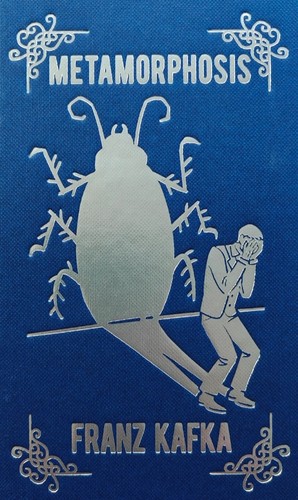
The Metamorphosis is a novella by Franz Kafka, first published in 1915. Its famous first sentence and nightmarish premise have made it one of the most widely read works of modern literature. Below you will find a part-by-part summary, five key takeaways, ideas worth remembering and a note on who will enjoy it.
Main Characters
- Gregor Samsa: A salesman who wakes as a giant insect.
- Grete Samsa: Gregor's younger sister, at first his caregiver.
- Mr. Samsa: Gregor's father, who resents and attacks him.
- Mrs. Samsa: Gregor's mother, frightened and fragile.
- The chief clerk: Gregor's boss's representative, who visits when he is late.
What Happens, Part by Part (Contains Spoilers)
The transformation
Gregor wakes to find he has become a monstrous insect. His first worry is that he will be late for work. The chief clerk arrives to check on him. When Gregor finally opens the door, everyone is horrified, and his father drives him back into his room with a stick.
Grete's care
Gregor's sister Grete brings him food and learns what he likes to eat: rotten scraps. Gregor hides under the couch so as not to frighten her. He realizes that he had supported the whole family, and that they had more savings than they let him know.
The apple
Grete and her mother remove Gregor's furniture so he has room to crawl. Gregor clings to a picture he loves, frightening his mother. His father, now working again, throws apples at him, and one lodges in his back, leaving a festering wound.
The lodgers
The family takes in three lodgers to earn money. One evening, Grete plays the violin, and Gregor, moved, crawls out. The lodgers are disgusted and leave. Grete tells her parents they must get rid of “it”, saying that if it were really Gregor, he would have left them in peace.
The ending
Gregor, weak and injured, dies that night. The family feels relieved. They take a tram ride into the countryside and talk about their future. They notice that Grete has grown into a lovely young woman and think about finding her a husband.
5 Key Takeaways
- People can be valued only for what they provide.
- Alienation can exist even inside a family.
- Work can trap and dehumanize.
- Love can turn into resentment under pressure.
- Kafka uses absurdity to reveal hard truths.
Ideas Worth Remembering
These are paraphrased, not direct quotes:
- Being needed is not the same as being loved.
- A family can grow by casting someone out.
- Strange stories can tell ordinary truths.
Who Should Read The Metamorphosis?
Read The Metamorphosis if you want a short, unforgettable classic. It is often taught in high school and can be read in an afternoon.
Questions to Think About After Reading
These prompts work for solo reading, a book club or a classroom discussion of The Metamorphosis:
- Why does Gregor's first concern focus on his job?
- How does Grete change over the story?
- What could the insect transformation represent?
How to Use This Summary
Use this page as a quick reference before a book club meeting, an exam, or a decision about whether The Metamorphosis is worth your time. The takeaways are written to stand on their own. If a point interests you, go back to the book for the author's full story, characters and style, which no short summary can replace.
A Note on Accuracy and Spoilers
This summary is based on the published text of The Metamorphosis, not on any film, series or stage adaptation, which often change the story. Details are kept at the level of the main events so that nothing is invented. Editions differ slightly in length and wording, so page numbers and small details may vary between copies.
Should You Read the Book?
If the summary caught your interest, read the opening chapters before you decide. A summary tells you what happens, but the voice and pacing are what make a book work or not.
Check price of The Metamorphosis on Amazon
What to Read Next
- The Trial by Franz Kafka: Kafka's nightmarish novel of bureaucracy
- The Stranger by Albert Camus: another classic of alienation
- The Nose by Nikolai Gogol: a comic story of a strange transformation
Related: 15 Books Like The Metamorphosis You’ll Love
Frequently Asked Questions
What is The Metamorphosis about?
A man wakes up as a giant insect and becomes a burden to his family.
What kind of insect is Gregor?
Kafka never specifies; it is often called a beetle or cockroach.
How does Gregor die?
He weakens from neglect and an infected wound.
How does the family react?
With relief, and they plan a better future.
What is the famous first line?
“As Gregor Samsa awoke one morning from uneasy dreams he found himself transformed into a gigantic insect.”
How long is it?
It is short, about 60 to 80 pages.
What does Kafkaesque mean?
Describes nightmarish, absurd situations.
Who translated it?
Popular translations include those by Susan Bernofsky and Willa and Edwin Muir.
Who are the main characters in The Metamorphosis?
The main characters are Gregor Samsa, Grete Samsa, Mr. Samsa, Mrs. Samsa and the chief clerk. Gregor Samsa: A salesman who wakes as a giant insect. Grete Samsa: Gregor's younger sister, at first his caregiver. Mr. Samsa: Gregor's father, who resents and attacks him.
Is The Metamorphosis worth reading?
It depends on what you want. The book is best for readers who want a short, strange classic about alienation, work and family. If that describes you, it is likely a good fit. If not, the titles under What to Read Next may suit you better.