

Disclosure: As an Amazon Associate, Bookish Wisdom earns from qualifying purchases. This doesn't change our picks or your price.
TL;DR: In the tenth year of the Trojan War, the Greek hero Achilles quarrels with his commander Agamemnon and refuses to fight. The Greeks suffer terrible losses until Achilles's beloved friend Patroclus is killed by the Trojan prince Hector. Achilles returns in a rage, kills Hector, and finally shows mercy to Hector's grieving father.
Table of Contents
The Iliad at a Glance
| Author | Homer |
| First published | c. 8th century BC |
| Type | Epic poem |
| Best for | readers who want the great ancient epic of war, rage and grief |
The Iliad is an ancient Greek epic poem attributed to Homer, composed around the 8th century BC. It covers only a few weeks near the end of the Trojan War and begins with the word “rage”. Below you will find a part-by-part summary, five key takeaways, ideas worth remembering and a note on who will enjoy it.
Content note: Includes graphic battle violence.
Main Characters
- Achilles: The greatest Greek warrior, proud and furious.
- Hector: The Trojan prince and noble defender of Troy.
- Agamemnon: The Greek commander whose pride starts the quarrel.
- Patroclus: Achilles's closest friend.
- Priam: The old king of Troy and Hector's father.
What Happens, Part by Part (Contains Spoilers)
The quarrel
Agamemnon, the Greek leader, is forced to give up a captive woman, so he takes Briseis, the woman awarded to Achilles. Humiliated, Achilles withdraws from battle and asks his mother, the sea nymph Thetis, to help the Trojans win until the Greeks honor him.
The war turns
Without Achilles, the Greeks suffer. Hector leads the Trojans in pushing the Greeks back to their ships. Agamemnon offers Achilles rich gifts to return, but Achilles refuses, still angry.
Patroclus
As the Trojans set fire to the Greek ships, Patroclus begs Achilles to let him wear Achilles's armor and lead the army. Achilles agrees. Patroclus drives back the Trojans but goes too far and is killed by Hector, who takes the armor.
Achilles's rage
Mad with grief, Achilles reconciles with Agamemnon and returns to battle in new armor. He slaughters many Trojans and finally kills Hector outside the walls of Troy. In fury, he drags Hector's body behind his chariot around Patroclus's tomb.
The ending
King Priam secretly comes to Achilles's tent and begs for his son's body, kissing the hands of the man who killed him. Moved, Achilles weeps with him, remembering his own father, and returns the body. The poem ends with Hector's funeral, before the fall of Troy.
5 Key Takeaways
- Rage can destroy both enemies and friends.
- Honor and pride drove ancient warriors.
- Grief connects even bitter enemies.
- War brings glory and terrible loss.
- Mercy can be the greatest act of courage.
Ideas Worth Remembering
These are paraphrased, not direct quotes:
- Rage, goddess, sing the rage of Achilles.
- Shared grief can make enemies human to each other.
- Glory comes at a heavy price.
Who Should Read The Iliad?
Read The Iliad if you want the great ancient war epic. Modern translations by Emily Wilson or Robert Fagles make it accessible to patient teens and adults.
Questions to Think About After Reading
These prompts work for solo reading, a book club or a classroom discussion of The Iliad:
- Is Achilles a hero?
- Why is Hector so admired?
- What does the meeting of Priam and Achilles mean?
How to Use This Summary
Use this page as a quick reference before a book club meeting, an exam, or a decision about whether The Iliad is worth your time. The takeaways are written to stand on their own. If a point interests you, go back to the book for the author's full story, characters and style, which no short summary can replace.
A Note on Accuracy and Spoilers
This summary is based on the published text of The Iliad, not on any film, series or stage adaptation, which often change the story. Details are kept at the level of the main events so that nothing is invented. Editions differ slightly in length and wording, so page numbers and small details may vary between copies.
Should You Read the Book?
If the summary caught your interest, read the opening chapters before you decide. A summary tells you what happens, but the voice and pacing are what make a book work or not.
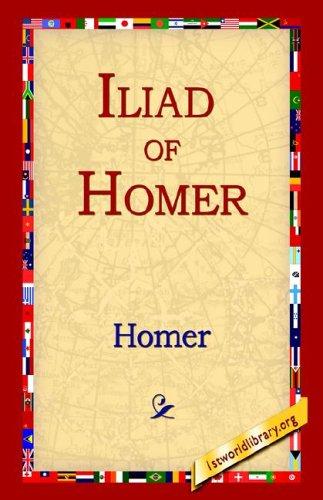
Check price of The Iliad on Amazon
What to Read Next
- The Odyssey by Homer: Odysseus's journey home after the war
- The Song of Achilles by Madeline Miller: Achilles and Patroclus's story retold
- A Thousand Ships by Natalie Haynes: the women of the Trojan War
Related: 15 Books Like Iliad You’ll Love · The Odyssey by Homer: Summary and Key Takeaways
Frequently Asked Questions
What is The Iliad about?
The rage of Achilles during the final year of the Trojan War.
Does The Iliad include the Trojan Horse?
No. That story comes later, mentioned in The Odyssey.
Who kills Hector?
Achilles.
Who kills Patroclus?
Hector.
How does it end?
With Hector's funeral after Achilles returns his body to Priam.
Which translation is best?
Emily Wilson's and Robert Fagles's are popular.
How long is The Iliad?
About 15,000 lines.
Does Achilles die in The Iliad?
No. His death is foretold but happens after the poem ends.
What started the Trojan War?
The Trojan prince Paris took Helen, wife of the Spartan king Menelaus, to Troy.
Who are the main characters in The Iliad?
The main characters are Achilles, Hector, Agamemnon, Patroclus and Priam. Achilles: The greatest Greek warrior, proud and furious. Hector: The Trojan prince and noble defender of Troy. Agamemnon: The Greek commander whose pride starts the quarrel.
Is The Iliad worth reading?
It depends on what you want. The book is best for readers who want the great ancient epic of war, rage and grief. If that describes you, it is likely a good fit. If not, the titles under What to Read Next may suit you better.